Effective Tips for Keeping Your Kid’s Teeth Healthy
Maintaining your child's dental health is vital for their overall well-being. Healthy teeth contribute to efficient eating and speaking, while also enhancing confidence and self-esteem. By nurturing good oral hygiene habits early, you pave the way for your child to enjoy lifelong healthy smiles. This article offers insightful tips for keeping your kid’s teeth healthy, focusing on beginning dental care early, fostering nutritious eating habits, mastering brushing and flossing techniques, and emphasizing the importance of regular dental check-ups. Implementing these practices will support your child in achieving optimal dental health and reveling in the benefits of a radiant smile.
Initiate Dental Care Early
Starting dental care early is crucial for securing your child's lifelong oral health. According to the American Academy of Pediatric Dentistry, your child should have their first dental appointment by their first birthday, or within six months of their first tooth appearing. This early visit allows the dentist to evaluate your child's oral health, offer advice on proper dental care, and address any concerns you may have.
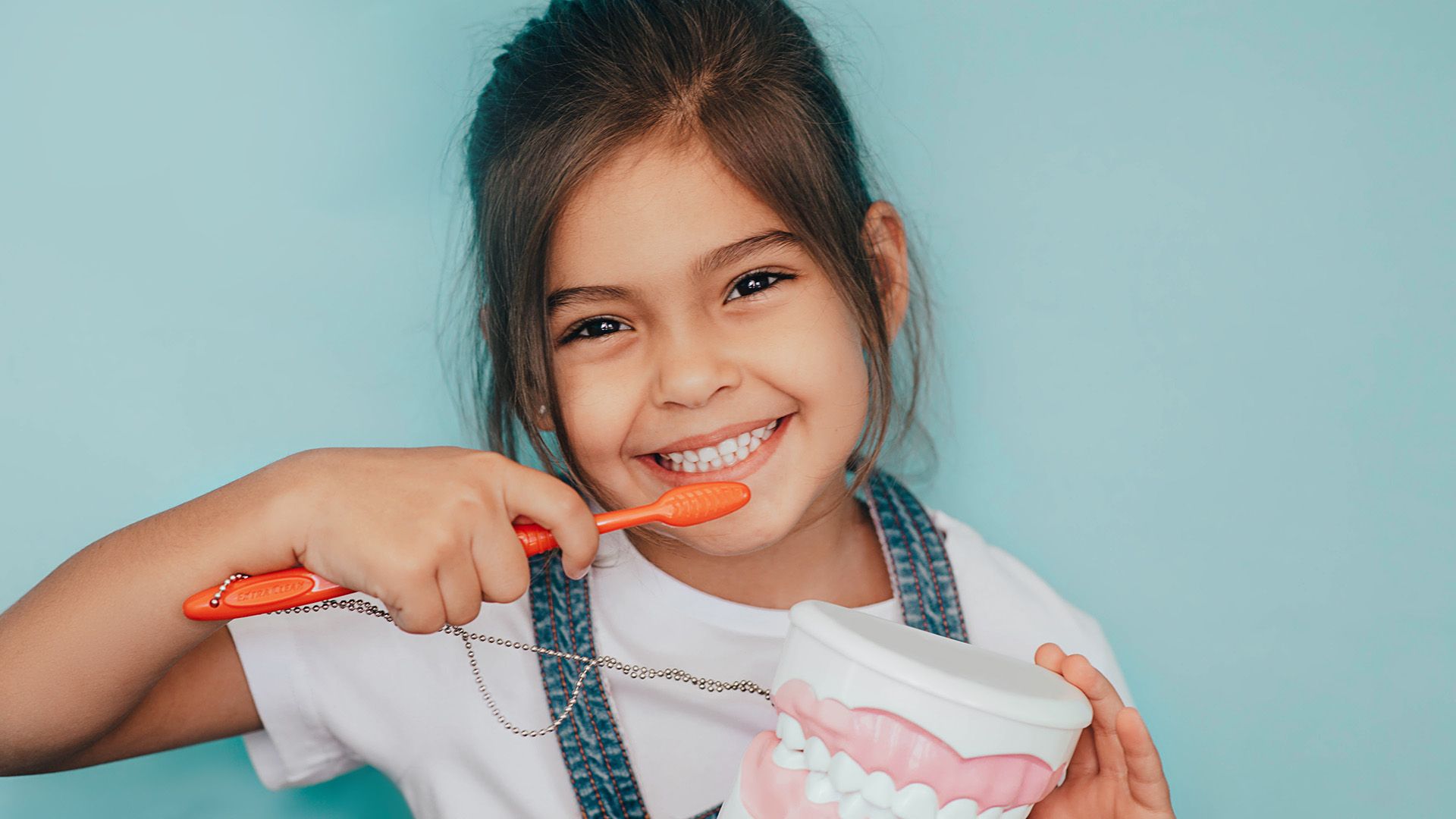
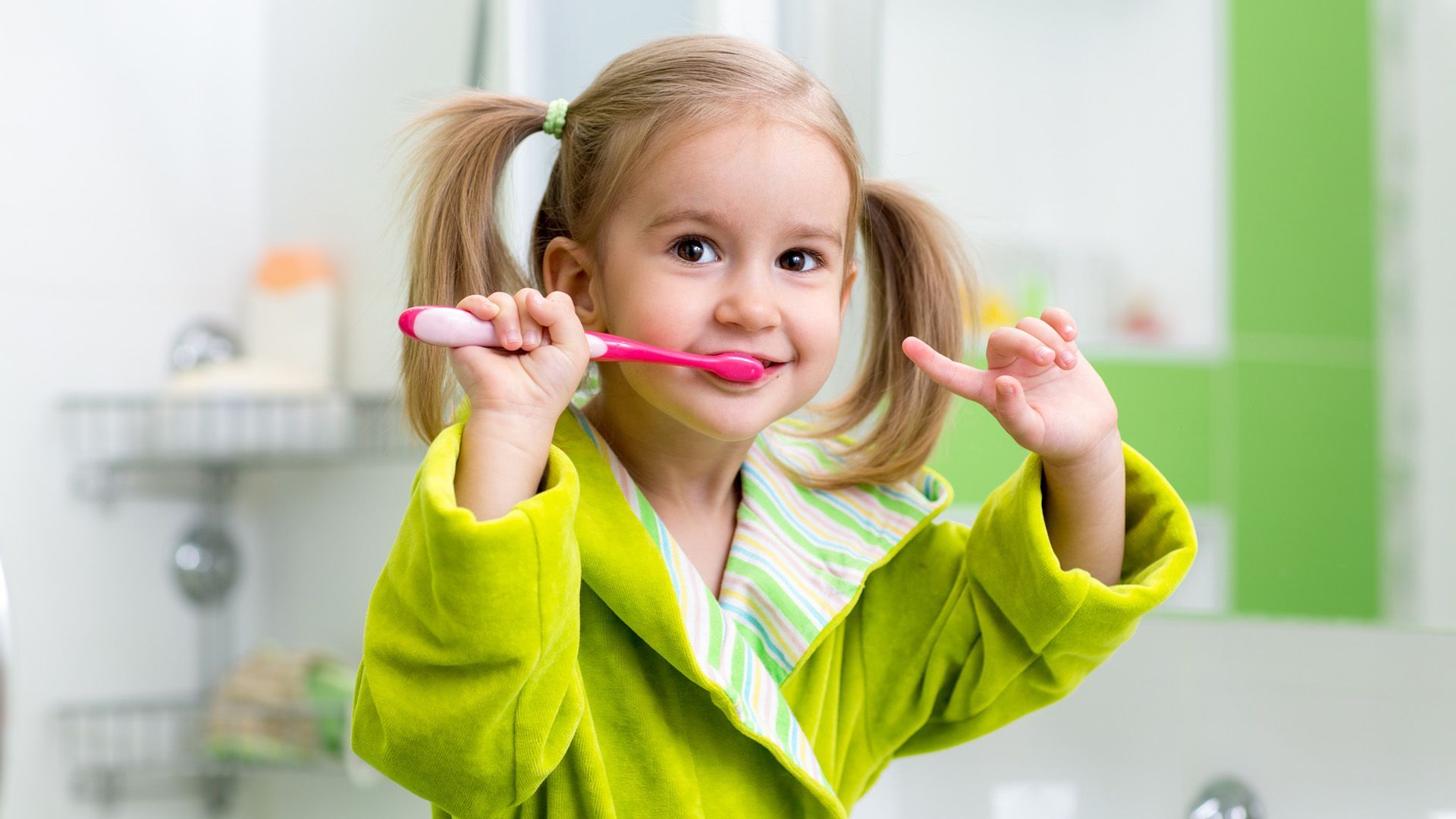
Establishing a brushing routine from the moment your child’s first teeth emerge is essential. Utilize a soft-bristled toothbrush with a small amount of fluoride toothpaste to gently clean their teeth twice daily. Making brushing an enjoyable activity can help your child develop positive habits, which are among the key tips for keeping your kid’s teeth healthy. Consider singing a catchy song or using a timer to ensure they brush for the recommended two minutes.
Fluoride is pivotal in fortifying young teeth and preventing cavities. While many public water supplies in the U.S. are fluoridated, if your child lacks sufficient fluoride intake from water or toothpaste, the dentist might suggest a fluoride supplement. Always consult with your pediatric dentist to determine the appropriate fluoride usage tailored to your child's specific needs.
Promote Healthy Eating Habits
Encouraging healthy eating habits is fundamental for preserving your child's dental health. Integrating foods that support strong teeth is an excellent starting point. Dairy products like milk, cheese, and yogurt are rich in calcium and phosphorus, essential minerals that bolster tooth enamel. Crunchy fruits and vegetables, such as apples and carrots, not only provide vital nutrients but also enhance saliva production, aiding in the removal of food particles and harmful bacteria.
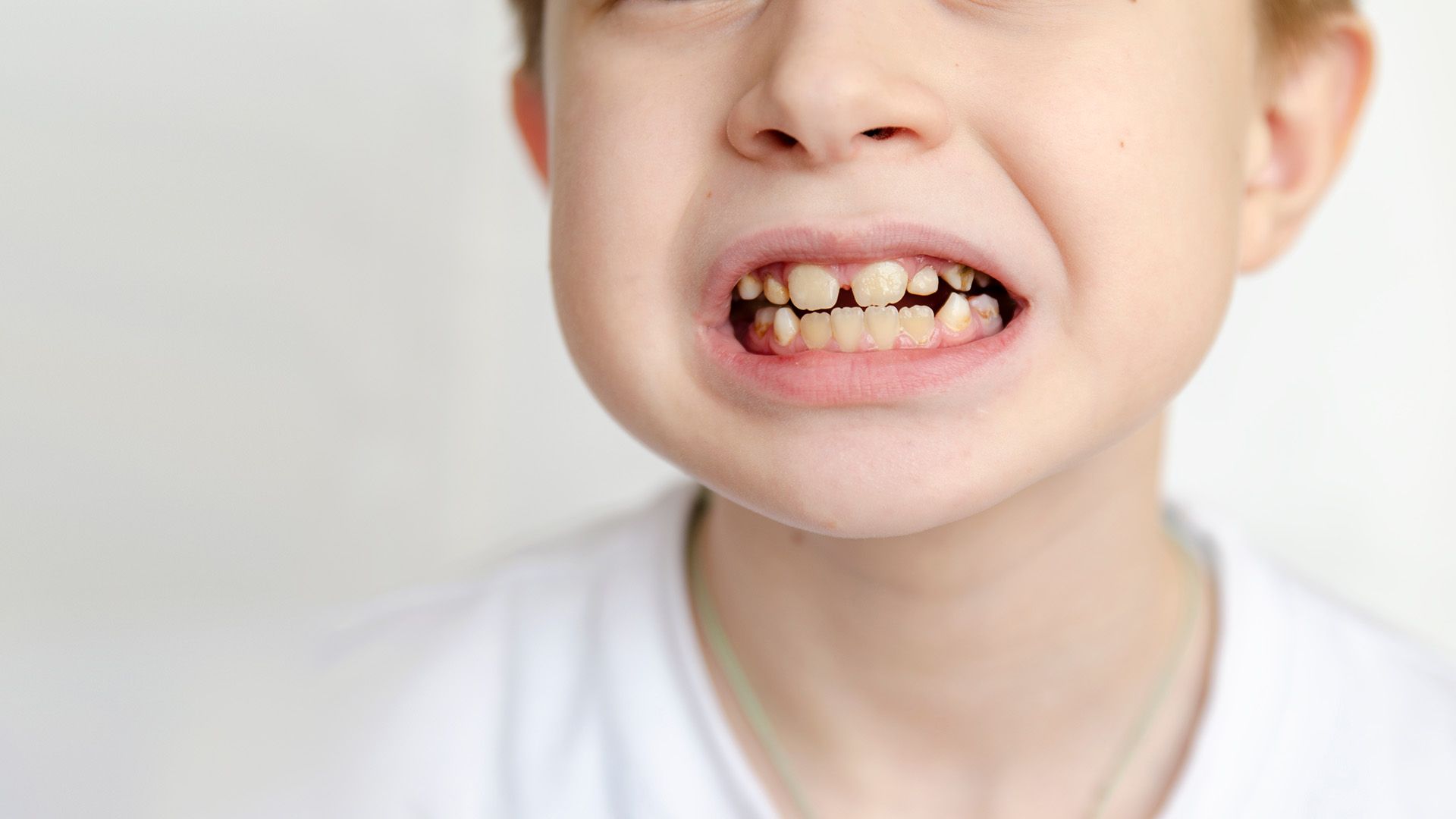
Conversely, it is crucial to limit sugary snacks and drinks. Foods high in sugar can cause tooth decay, as oral bacteria thrive on sugar and produce acids that erode tooth enamel. Among the tips for keeping your kid’s teeth healthy is urging them to opt for healthier alternatives, like fruit or nuts, when craving a snack. Additionally, if they enjoy sweet treats, try to ensure these are consumed during meals rather than as standalone snacks, reducing prolonged exposure to sugar.
Promoting regular water intake is another crucial habit for your child's oral health. Water assists in rinsing away food debris and bacteria, keeping their mouth cleaner. Make this routine enjoyable by using a fun reusable water bottle and reminding them to sip water throughout the day. By cultivating these healthy eating habits, you support your child in maintaining a bright and healthy smile!
Master Brushing and Flossing Techniques
Guiding your child in effective brushing is vital for maintaining their dental health. Begin by selecting a toothbrush with soft bristles that fits comfortably in their mouth. Demonstrate how to hold the toothbrush at a 45-degree angle against the gum line and brush in circular motions. Encourage them to brush for at least two minutes, covering all tooth surfaces: front, back, and chewing areas. To simplify this, consider using a timer or playing a fun song matching the recommended brushing duration.
Flossing is another indispensable element of oral health that should not be neglected. It assists in removing food particles and plaque from between teeth, areas often missed by toothbrushes. Teach your child to gently slide dental floss between their teeth and curve it around each tooth in a C-shape. For younger children, flossers with handles can make the process easier and more manageable.
Turning brushing into an enjoyable activity can significantly improve your child’s dental routine. Use colorful toothbrushes or toothpaste featuring their favorite characters. You might also implement a sticker chart where they earn rewards for consistent brushing and flossing. These fun elements can motivate your child to establish lasting good oral hygiene habits, which are vital tips for keeping your kid’s teeth healthy.
Ensure Regular Dental Check-ups
Regular dental check-ups are critical for maintaining your child's oral health. It is generally advised that children visit the dentist every six months. This schedule allows for early identification of dental issues, ensuring your child’s teeth and gums remain healthy as they grow.
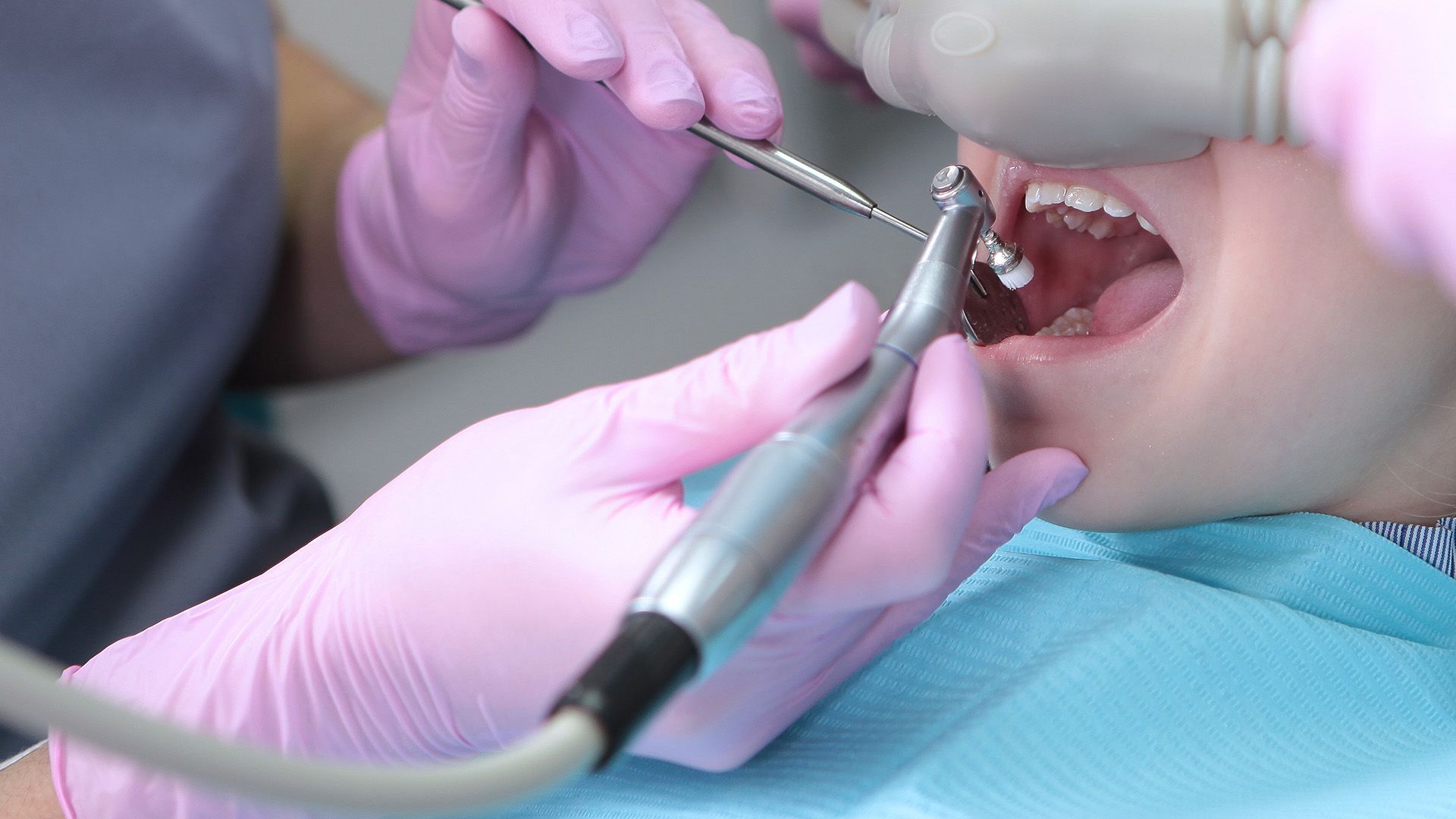
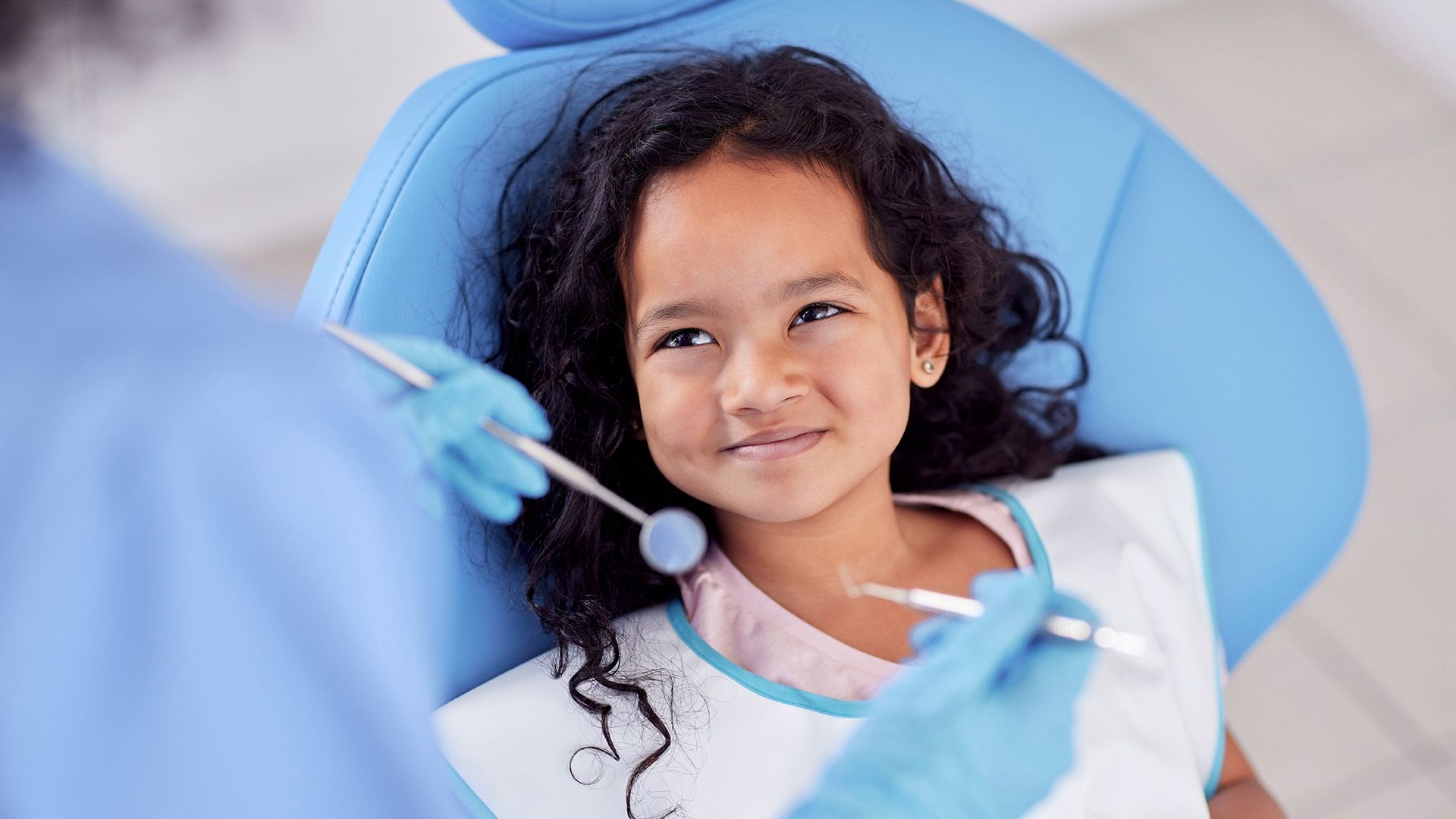
During a dental check-up, expect a thorough examination of your child's teeth and gums, along with a cleaning to remove plaque and tartar buildup. The dentist may also take X-rays to evaluate the development of your child’s teeth and identify potential issues not visible to the naked eye. This routine visit is an excellent opportunity for your child to acclimate to the dental environment, reducing anxiety for future visits.
Be attentive to signs indicating that your child may need to see a dentist outside their regular check-up schedule. Complaints of tooth pain, swollen gums, or sensitivity to hot or cold foods could signal dental issues requiring prompt attention. Additionally, if you notice changes in your child’s teeth, such as discoloration or misalignment, scheduling an appointment is advisable. Prioritizing regular dental visits will not only maintain your child’s teeth health but also cultivate lifelong good dental habits, further reinforcing the tips for keeping your kid’s teeth healthy.