What Are the Benefits of Fluoride?

Fluoride is a natural mineral that is found in rocks and distributed in soil, water, plants and certain foods. It’s widely used in dental products because of its many beneficial properties for the teeth. This guide, produced on behalf of a pediatric dentist in Apopka, details the importance of fluoride, particularly for children.
Sources of Fluoride
In many communities around the USA, fluoride is added to tap water. Statistics from the CDC show that, as at 2018, 73% of people on community water systems receive fluoridated water. While many communities throughout Florida have access to fluoridated water, the City of Apopka doesn’t add fluoride to community water. Testing in 2020 indicated that the local water supply naturally contained between 0.321 and 0.342 milligrams of fluoride per liter.
Many foods are natural sources of small or trace amounts of fluoride, including:
- Seafood, such as canned sardines and salmon, oily fish, crab and shrimp
- Fresh fruit, such as grapes, bananas, avocado, strawberries, apples, peaches and cherries
- Vegetables, such as potatoes, spinach and radish
- Wheat and oats
- Meat, including beef, lamb and chicken
- For adults, tea, coffee and wine
Many over-the-counter and professional dental products, such as toothpastes, mouthwashes and mouth gels, contain fluoride. Consult your specialist pediatric dentist in Apopka to identify the best products for your child’s dental care routine.
Fluoride supplements are also available, in forms such as tablet, varnish, liquid and lozenge; your children’s dentist can advise if supplementation is recommended for healthy teeth.
Recommended Intake of Fluoride
Recommended figures for minimal fluoride intake are based on age, and recommended levels are largely the same for all sexes and genders. Per information from NIH Office of Dietary Supplements, adequate daily intakes are as follows:
- Birth to 6 months: 0.01 mg
- 7 months to 1 year: 0.5 mg
- 1 year to 3 years: 0.7 mg
- 4 to 8 years: 1 mg
- 9 to 13 years: 2 mg
- 14 to 18 years: 3 mg
- 19 years and older: male 4 mg, female 3 mg
Females do not need to adjust their fluoride intake when pregnant or breast feeding.
Top Benefits of Fluoride
Fluoride has several benefits when it comes to oral health, particularly for younger people whose teeth are still growing. Ongoing, fluoride also promotes healthy teeth through adulthood. Of course, correct brushing and flossing is also important for people of all ages. Major benefits of fluoride include:
Mineralization
When fluoride interacts with the teeth it creates fluorapatite, a substance that mineralizes the teeth. In simple terms, this means the teeth become harder and stronger. Fluoride can, therefore, help to prevent the breakdown of teeth and withstand damage from bacteria and acids in food and drink.
Where the outer surface of the teeth, or enamel, has already started to break down, fluoride can help to rebuild, or remineralize, the surface.
Reduction of Oral Bacteria
Fluoride reduced the pH level inside the mouth, making it a less attractive environment for bacterial growth. Reducing harmful bacteria, such as Porphyromonas gingivalis, Streptococcus mutans Streptococcus sanguinis, lowers the risk of tooth decay, dental caries and cavities.
In brief, food particles, saliva and bacteria can mix in the mouth, resulting in plaque buildup on the teeth. This plaque can cause gum disease and bad breath, damage the teeth and lead to oral infections. Tooth decay and dental disease have much wider health implications beyond the mouth.
Can Fluoride Be Harmful?
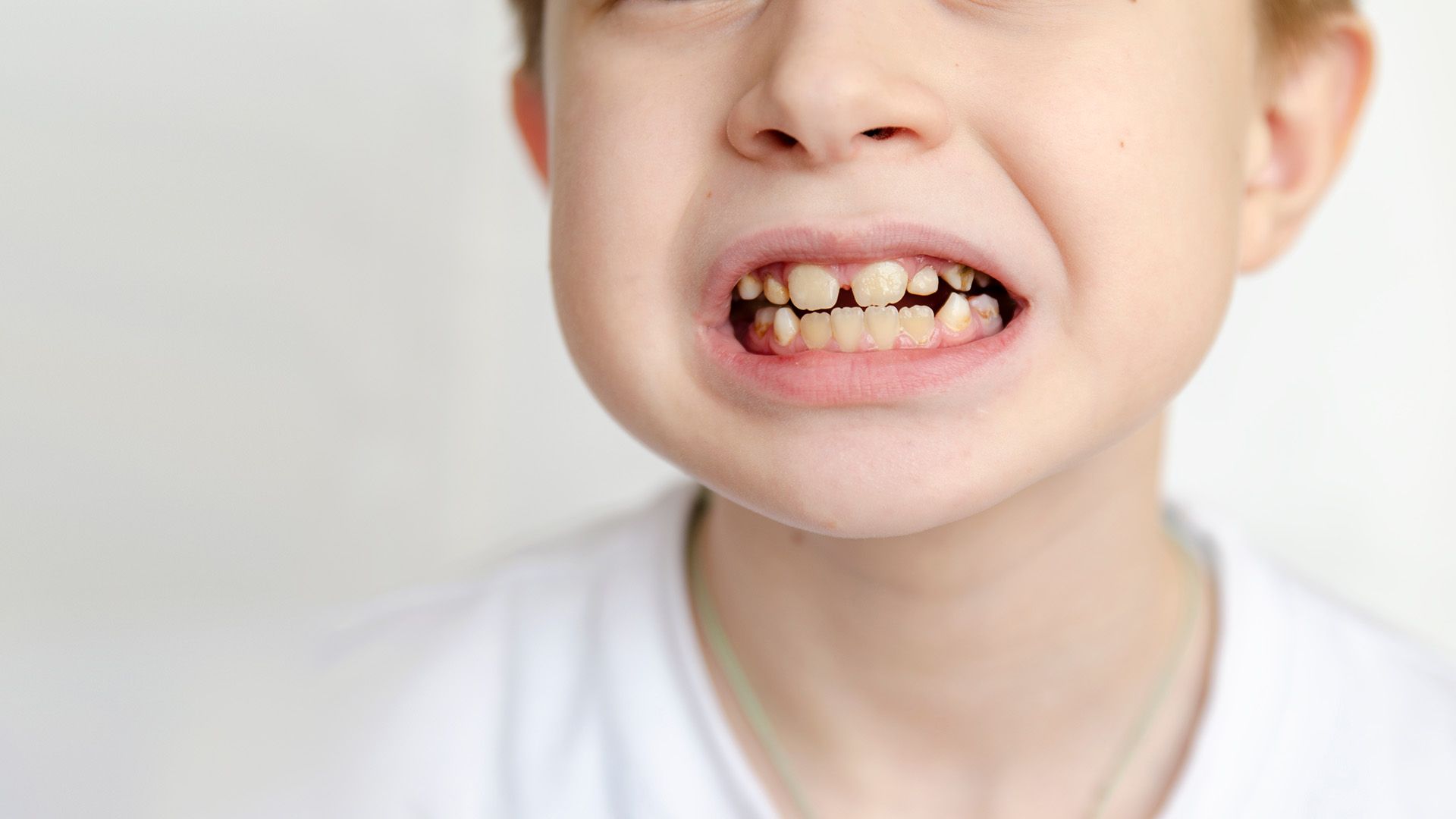
As with most substances, excessive amounts of fluoride can be harmful. Risks can include discoloration in developing teeth, bone problems, cognitive issues and thyroid problems. You should never supplement fluoride without consulting your child’s dentist beforehand. However, the benefits of correct fluoride use generally greatly outweigh any possible risks.
Consult a Children’s Dentist in Apopka
One of the best ways to ensure your child’s oral health is to maintain regular appointments with a dentist. Baptiste Dentistry for Kids is a leading pediatric dentist in Apopka, Florida. Contact the professional team to schedule an appointment and discuss any concerns you may have about your child’s dental health.