Cavity Prevention in Children | A Complete Guide
Healthy baby teeth and growing smiles set the foundation for lifelong oral health. Cavity prevention in children means understanding how tooth decay begins, spotting early signs, and building simple daily habits that protect enamel. With consistent home care and regular pediatric dental visits, most cavities can be avoided. Families who focus on cavity prevention in children can reduce the need for fillings, keep kids comfortable, and support confident, cavity-free smiles.

Understanding Tooth Decay in Children
Tooth decay (dental caries) occurs when acids produced by mouth bacteria break down tooth structure. These acids form after bacteria feed on sugars and starches from foods and drinks. Over time, they erode enamel, the protective outer layer, creating cavities that can enlarge and affect deeper parts of the tooth.
Decay progresses in stages. First, plaque accumulates and enamel starts to demineralize, often showing as chalky white spots. Without intervention, the enamel surface breaks, forming a cavity. The decay can then reach dentin, causing sensitivity, and eventually the pulp, which may result in pain, infection, and swelling.
Early detection is key. Initial enamel changes can often be halted and even reversed with better brushing and flossing, regular fluoride exposure, and professional care. Addressing decay early helps children avoid discomfort, complex treatments, and missed school or activities. These steps are central to cavity prevention in children because they interrupt the process before permanent damage occurs.
Common Causes of Cavities
Diet plays a major role. Sugars and fermentable carbohydrates, found in items like crackers, bread, fruit snacks, and juice, fuel acid-producing bacteria. Frequent snacking or sipping sweet drinks throughout the day keeps acid levels high and prolongs the attack on enamel.
Oral hygiene habits are equally important. When brushing and flossing are inadequate, plaque, a sticky film of bacteria, remains on teeth and along the gumline. Rushed routines or skipped flossing allow acids to stay in contact with enamel longer, increasing the risk of decay.
Other factors can contribute. Limited fluoride exposure, dry mouth from certain medications, and inconsistent access to routine dental care raise cavity risk. Habitual bedtime bottles or sippy cups containing juice or milk also prolong sugar exposure overnight, which is especially harmful.
Identifying Children at Risk for Cavities
Risk increases with diets high in sugary snacks and drinks, frequent grazing between meals, and inadequate brushing and flossing. Extended use of bottles or sippy cups, a family history of cavities, enamel defects, and conditions that reduce saliva flow further elevate risk.
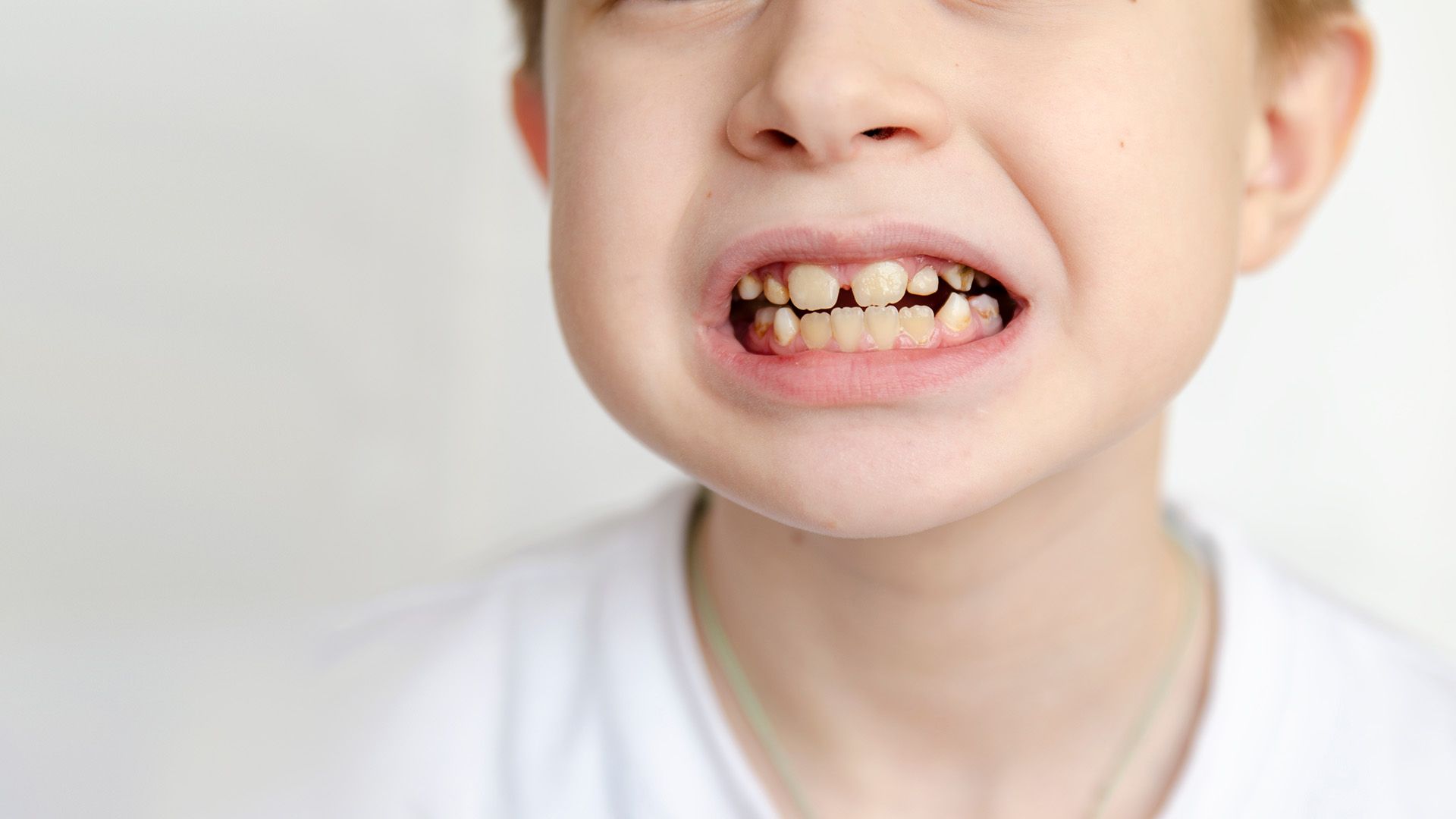
Watch for early signs, including new white spots near the gumline, brown or dark patches on teeth, sensitivity to sweets or cold, persistent bad breath, or complaints of pain when chewing. These can indicate early decay or cavities that are starting to progress.
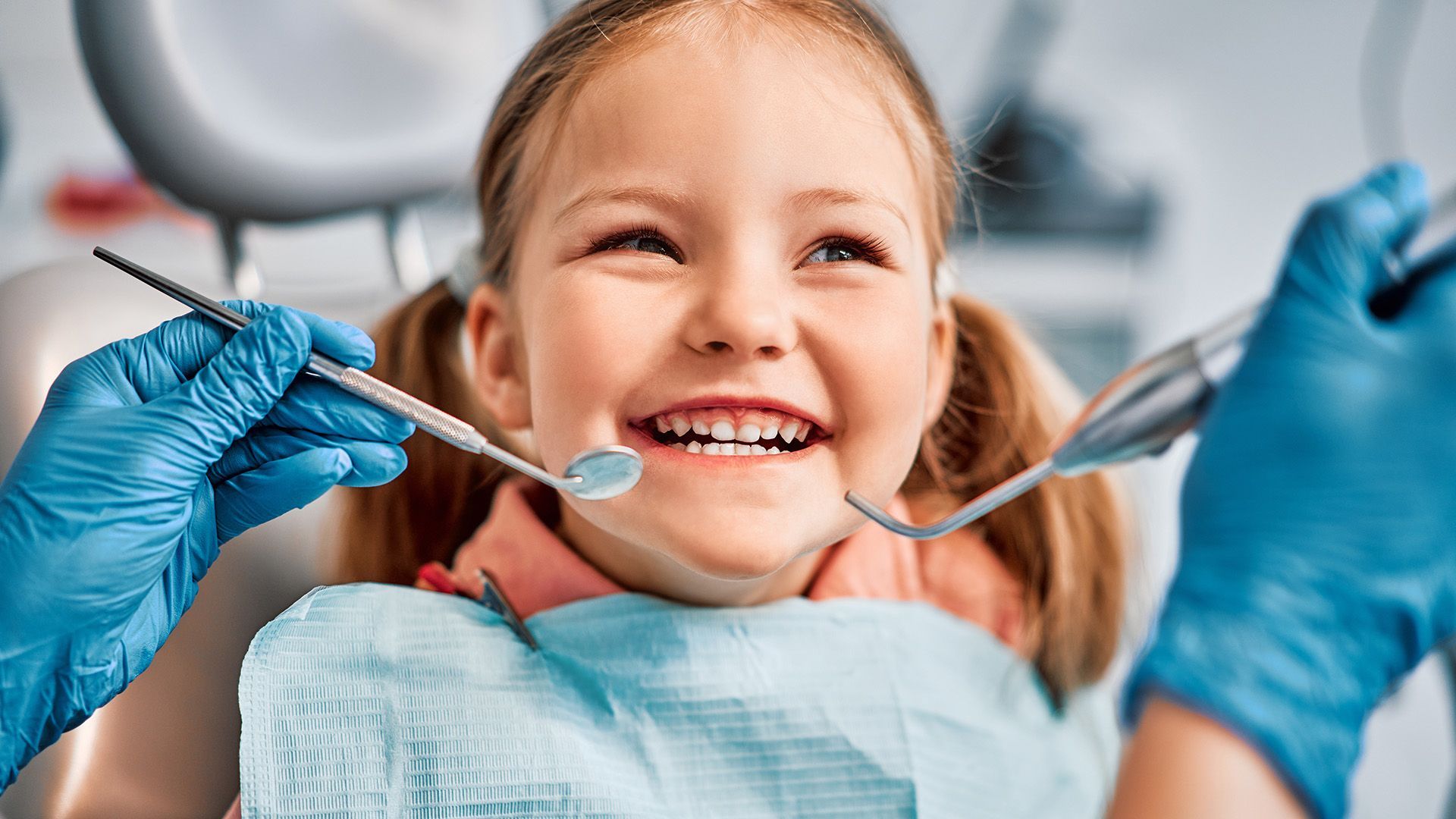
Routine dental check-ups are essential. Pediatric dentists can detect subtle enamel changes, provide fluoride treatments, apply sealants to protect the grooves of molars, and guide families on effective brushing technique and diet. Consistent visits help address issues before they become painful and expensive to treat. Cavity prevention in children benefits from regular evaluations, making it easier to personalize care plans based on your child’s age, diet, and oral hygiene habits.
Effective Tips for Preventing Cavities
Establish a reliable daily routine. Brush twice a day for two minutes with a fluoride toothpaste: use a smear (rice-sized amount) for toddlers and a pea-sized amount for children ages 3 and up. Floss once a day as soon as teeth touch. Parents should assist or supervise brushing until at least age 8 to ensure thorough cleaning.
Choose tooth-friendly snacks and drinks. Opt for cheese, yogurt, nuts, vegetables, fresh fruit, and water. Limit soda, sports drinks, and juice, as well as sticky sweets and frequent starchy snacks like crackers and chips. If treats are offered, serve them with meals and follow with water. Avoid bedtime bottles or cups containing anything other than water.
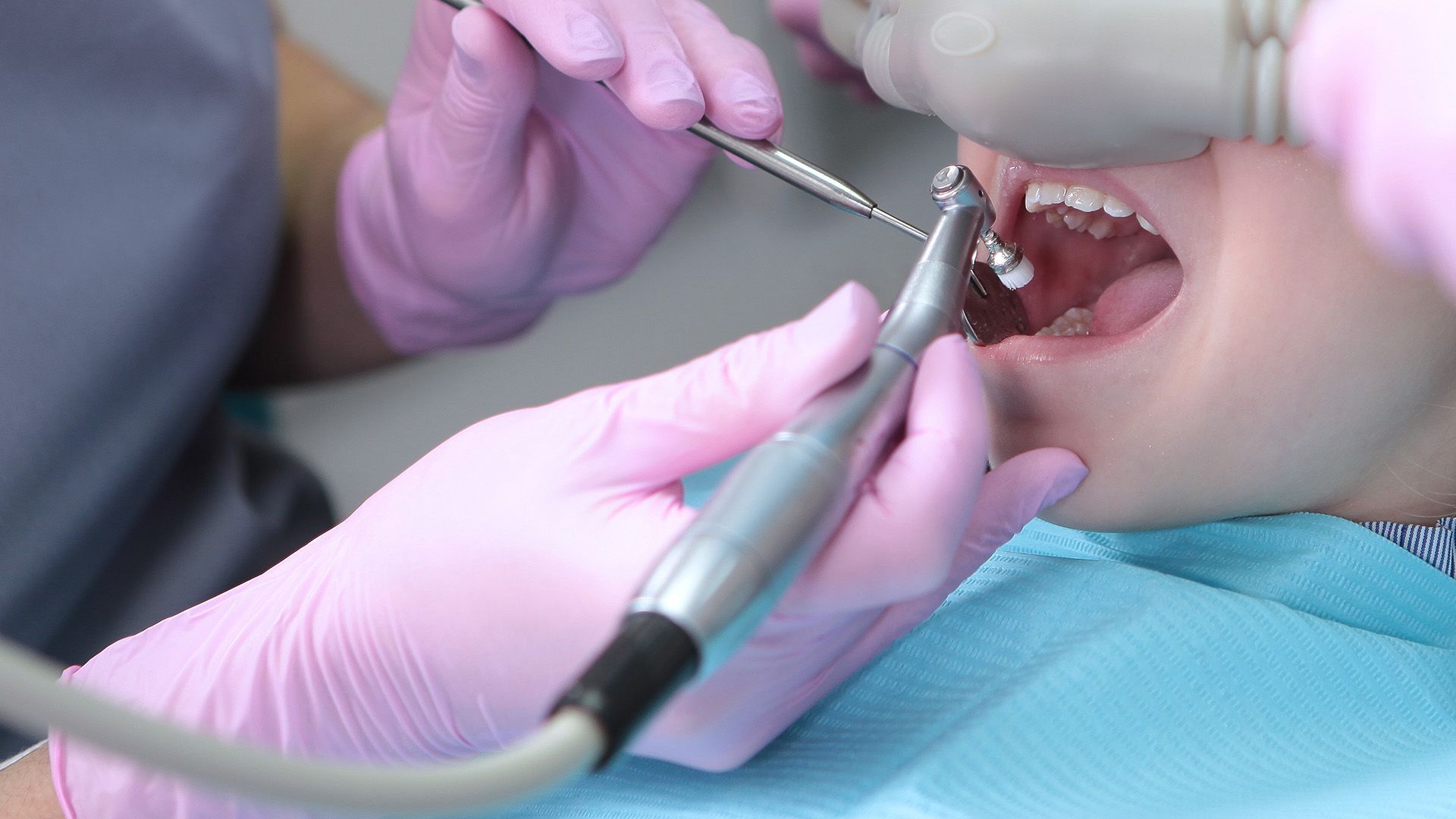
Keep up with regular dental visits, typically every six months, and schedule professional cleanings. Ask your dentist about fluoride varnish to strengthen enamel and sealants on molars to protect chewing surfaces. Personalized coaching on brushing, flossing, and nutrition helps tailor prevention strategies for your child.
Quick Reference: Daily Habits for Cavity Prevention in Children
| Habit | What to Do | Why It Helps |
|---|---|---|
| Brushing | Twice daily with fluoride toothpaste; supervise until age 8 | Fluoride strengthens enamel and removes plaque |
| Flossing | Once daily as soon as teeth touch | Clears plaque and food between teeth where brushes cannot reach |
| Smart snacking | Focus on whole foods; limit sweets and frequent starchy snacks | Reduces sugar exposure and acid attacks on enamel |
| Drinks | Choose water; limit juice, soda, and sports drinks | Lowers cavity risk by reducing sugary, acidic beverages |
| Dental visits | Every six months, with cleanings and fluoride/sealants as advised | Early detection and professional prevention measures |
| Bedtime routine | No bottles or cups with anything but water | Prevents overnight sugar exposure |
When to Seek Care
Schedule a dental appointment if you notice white or brown spots, tooth sensitivity to cold or sweets, pain when chewing, a swollen face or gums, or persistent bad breath. Even if symptoms are mild, professional evaluation can identify early decay and provide timely treatment. For families focused on cavity prevention in children, prompt attention ensures small problems stay small and kids remain comfortable and confident.