What Does It Mean If Your Child Has Shark Teeth?
Seeing a second row of teeth growing behind your child’s baby teeth can be surprising. Often called “shark teeth,” this stage of mixed dentition is common and usually manageable with guidance from your dental team. If you’re wondering what it means if your child has shark teeth, knowing why it happens, what to watch for, and when to schedule a visit can help you protect your child’s oral health and keep their smile developing on track.
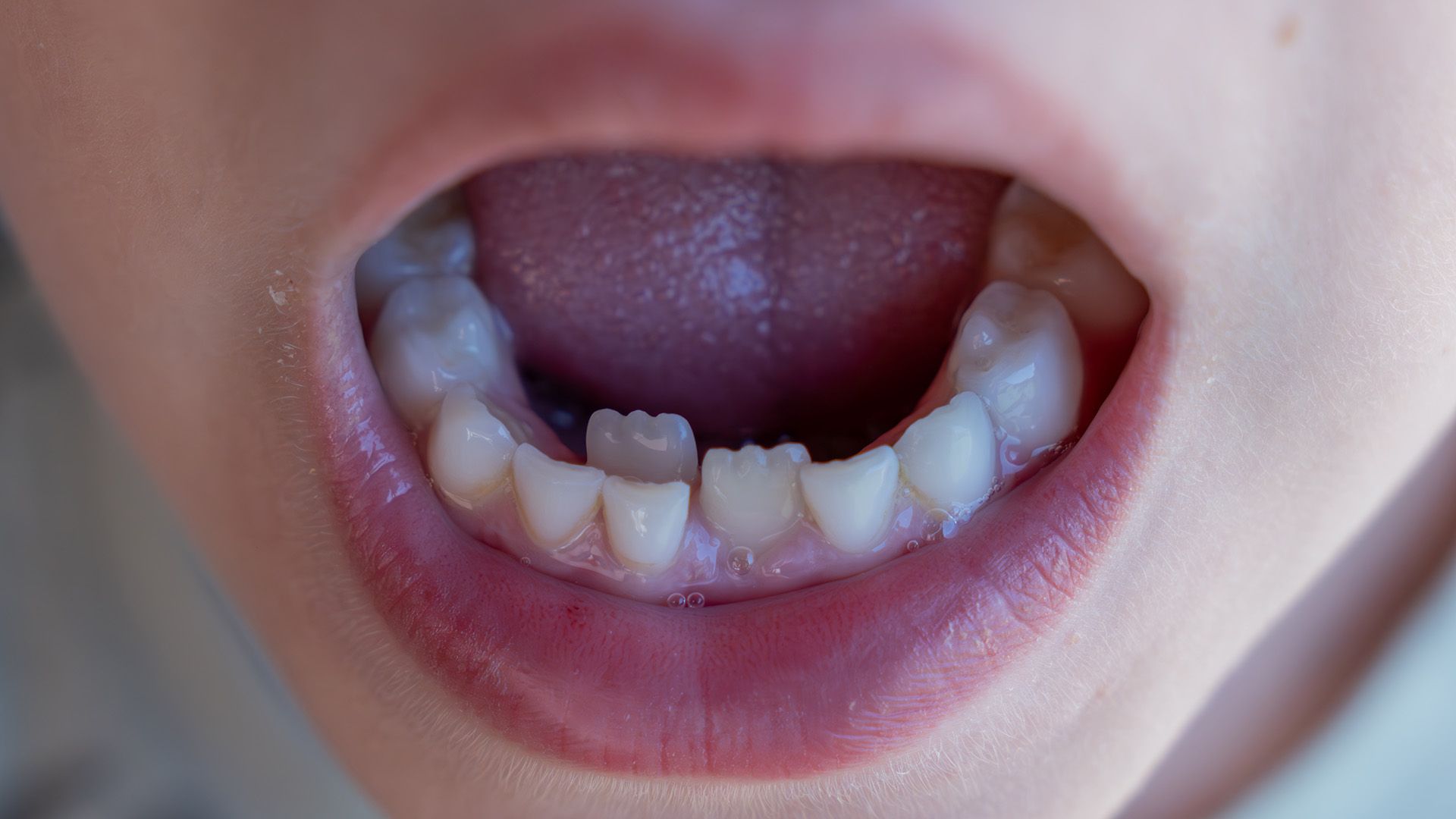
What Are Shark Teeth?
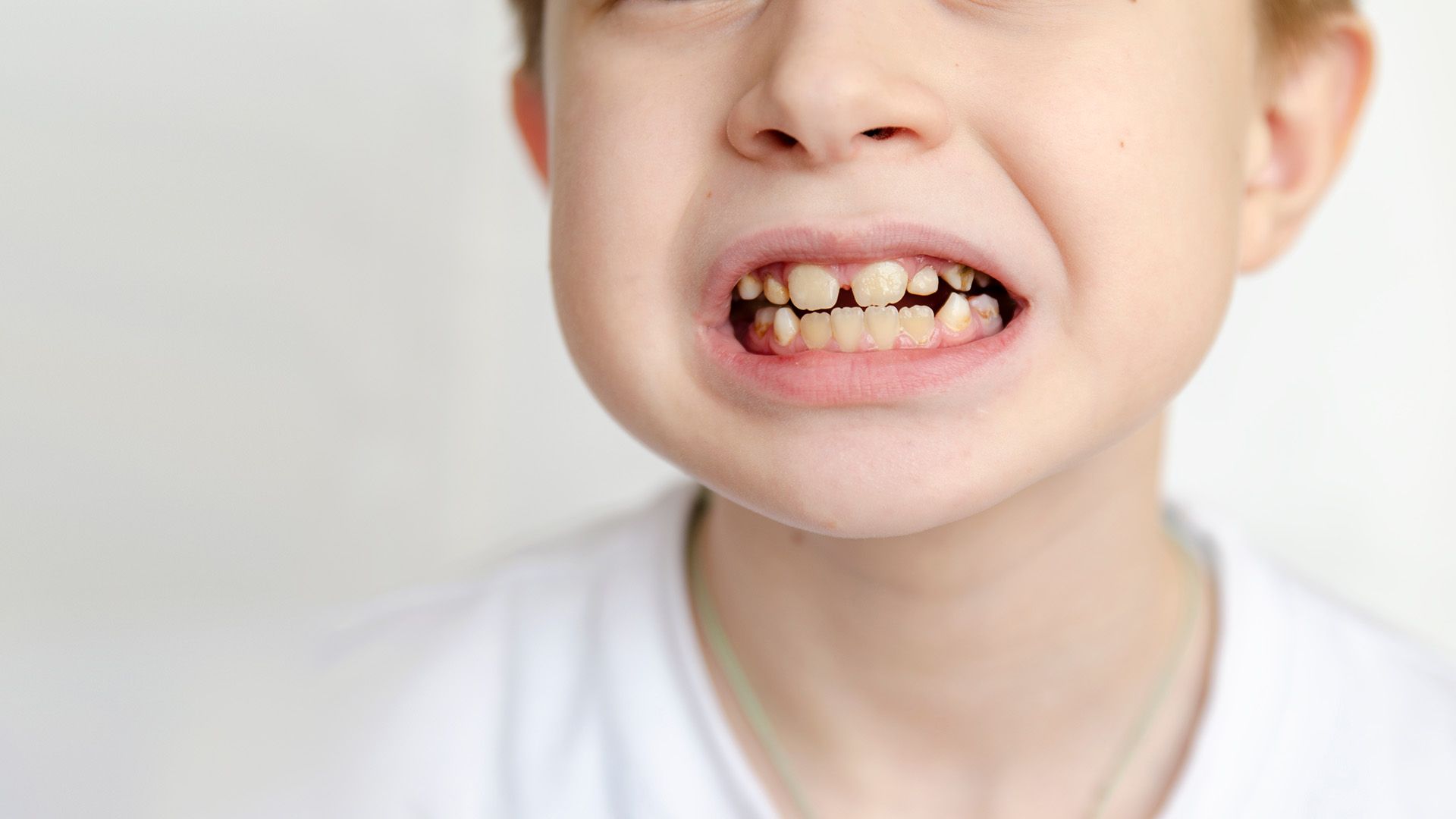
“Shark teeth” describe a situation where permanent teeth begin to erupt behind baby (primary) teeth rather than directly underneath them. This creates the appearance of two rows of teeth, similar to a shark’s multiple rows. It occurs most often in the lower front teeth, but it can also appear in the upper front teeth and, less commonly, in molars.
In typical development, the roots of baby teeth gradually dissolve as permanent teeth move upward, allowing baby teeth to loosen and fall out. With shark teeth, the permanent tooth erupts slightly behind the baby tooth before that baby tooth has loosened enough to come out. While this variation doesn’t automatically signal a problem with jaw growth or alignment, it can influence spacing and crowding if not monitored.
Timing varies by tooth. Shark teeth most commonly appear around ages 5 to 7 for the lower incisors and 7 to 9 for the upper incisors. If you’re asking what does it mean if your child has shark teeth a bit earlier or later than these ranges, it may still be within a normal pattern, but an evaluation can confirm that everything is progressing as expected.
Causes of Shark Teeth
In many cases, shark teeth are simply part of the normal eruption process. Permanent teeth follow a pathway through the jawbone and gums. If a baby tooth’s root does not resorb quickly enough, the permanent tooth may take the path of least resistance and erupt just behind it.
Several factors can influence the timing and path of eruption:
- Delayed resorption of roots: Baby teeth with longer or sturdier roots may hold on longer, giving permanent teeth less room to emerge directly beneath them.
- Spacing and crowding: When space is limited, permanent teeth may shift their eruption path. Mild crowding can nudge a tooth to erupt behind its baby counterpart.
- Early tooth loss: Trauma or decay that leads to early extraction can alter spacing and affect how nearby teeth erupt later.
- Oral habits: Thumb sucking or prolonged pacifier use can change alignment and space, potentially influencing eruption paths.
- Genetics: Family patterns of crowding, delayed loss of baby teeth, or variations in jaw size can increase the likelihood of shark teeth.
While you cannot change genetics or growth patterns, early observation through routine dental checkups helps guide spacing and alignment as your child’s smile develops. For many families asking what does it mean if your child has shark teeth, the answer is that it often reflects timing differences rather than a serious problem.
Signs and Symptoms to Watch For
The hallmark sign is a double row of teeth: a baby tooth remains in front while a permanent tooth erupts just behind it. This is easiest to see in the lower front teeth, where the new tooth often peeks up in a straight line behind the baby incisor.
- Mild tenderness when chewing or brushing near the erupting tooth
- A wobbly baby tooth that hasn’t yet loosened enough to fall out
- Gums that look puffy or slightly red as the new tooth breaks through
- Permanent teeth that appear a bit darker and less translucent than baby teeth
- Ridges on the biting edge of the new tooth (mamelons) that wear down with normal use
Keep an eye on spacing. If you notice crowding, overlapping, or a permanent tooth angling inward or outward, it’s a good idea to have a dentist assess space and bite. Early guidance can prevent minor issues from becoming more significant orthodontic concerns.
When to See a Dentist
Many cases resolve naturally as baby teeth loosen and fall out. Still, timely evaluation is helpful. Consider scheduling a visit if:
- The baby tooth is not loosening within a few weeks after the permanent tooth appears behind it
- Your child has pain that affects eating, brushing, or speaking
- You see pronounced crowding or teeth crossing over each other
- There are signs of decay or difficulty keeping the area clean
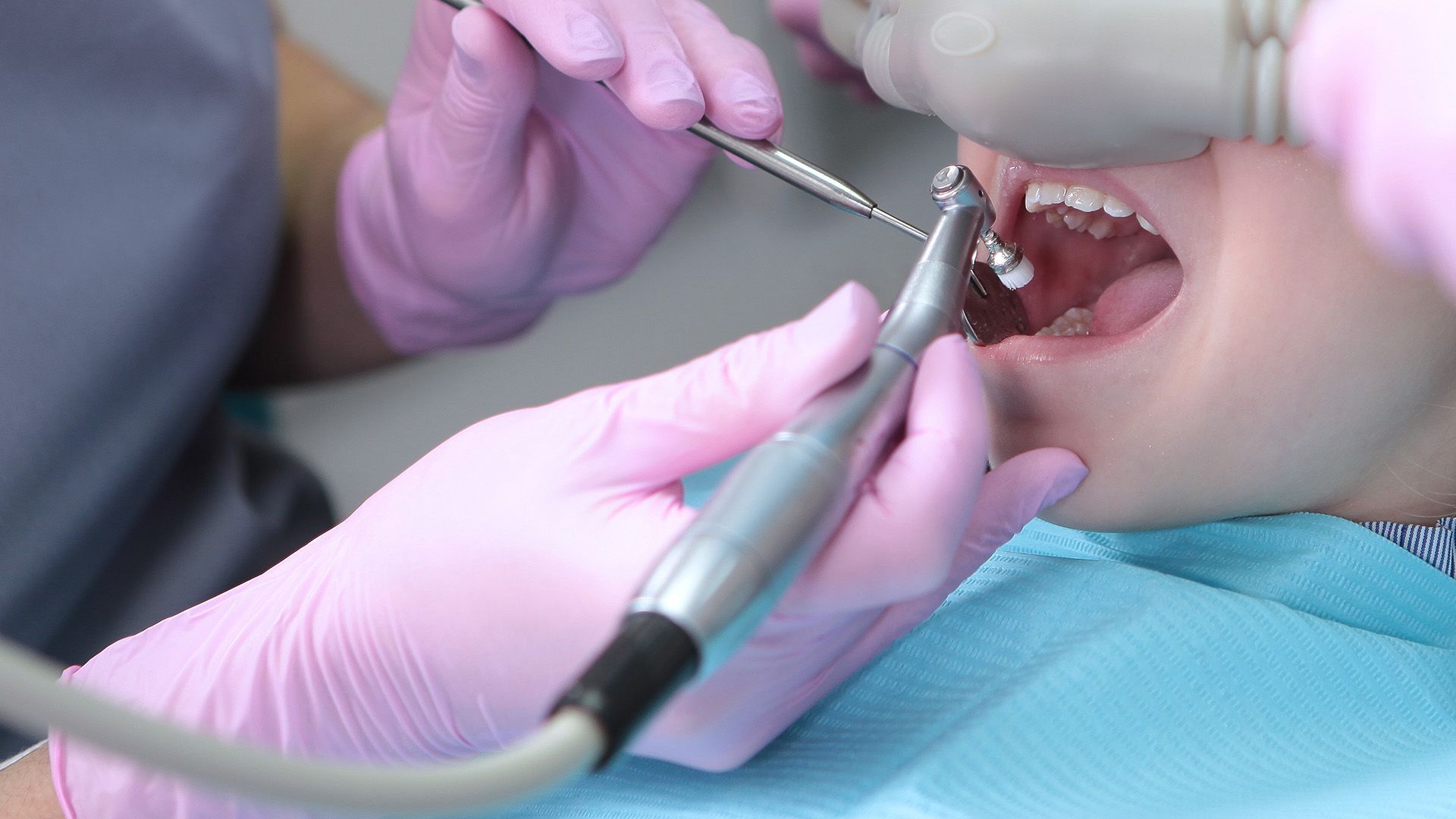
During the exam, your dentist may recommend one of several approaches:
- Watch and wait: Monitor natural loosening, especially when the new tooth is already visible and space looks adequate.
- Home care support: Encourage gentle daily wiggling of a loose baby tooth with clean fingers or the tongue to help it along.
- Selective extraction: If the baby tooth is stubborn and space is limited, removing it can create room and support proper alignment.
- Orthodontic referral: If spacing or growth concerns are present, a short assessment can help plan for future alignment needs.
If you’re unsure what it means if your child has shark teeth in terms of treatment, a quick professional evaluation can clarify whether monitoring, extraction, or an orthodontic check is appropriate.
Home Care Tips
Good daily habits make a difference while new teeth come in. Focus on comfort, cleanliness, and encouraging natural loosening.
- Brush gently twice a day with a soft-bristled toothbrush, paying close attention to the gumline around the erupting tooth.
- Floss once a day to keep plaque from building between teeth, especially where crowding makes cleaning harder.
- Use warm saltwater rinses if the gums feel tender.
- Offer age-appropriate, healthy snacks that require a bit of chewing, like apple slices, which can help naturally loosen baby teeth.
- Keep the experience positive. Reinforcing that new teeth coming in is a normal part of growing up.
Possible Complications
Shark teeth usually resolve without long-term problems, but monitoring is important. Potential concerns include:
- Crowding that affects alignment or the bite
- Difficulty cleaning between closely spaced teeth, raising the risk of cavities or gum irritation
- On rare occasions, an impacted or misdirected tooth that needs evaluation
Addressing issues early can keep development on track and reduce the need for more extensive treatment later. If you’ve been wondering what it means if your child has shark teeth and whether complications are likely, remember that most children transition normally with conservative care and observation.
Key Takeaways
- Shark teeth are a common variation of normal tooth eruption, especially in the lower front teeth.
- Most cases improve on their own as baby teeth loosen; gentle wiggling and good hygiene help.
- See a dentist if a baby tooth doesn’t loosen within a few weeks of the new tooth appearing, pain interferes with daily activities, or crowding is noticeable.
- Early guidance from your dentist or an orthodontist can support healthy spacing and alignment.
With attentive home care and professional monitoring, shark teeth can be handled smoothly, setting the stage for a healthy, confident smile. For parents asking what does it mean if your child has shark teeth, the bottom line is that it’s often a normal part of growing up that benefits from watchful care and timely advice.