Myths About Baby Teeth: Separating Fact from Fiction
Baby teeth are vital to your child’s health and development, yet myths can lead to preventable problems. Understanding common myths about baby teeth helps protect your child’s smile, build healthy habits, and pave the way for well-aligned permanent teeth. Here’s what every parent should know as you sort fact from fiction.

Myth #1: Baby Teeth Don’t Require Care
Baby teeth need daily care from the beginning. As soon as the first tooth appears, usually around 6 months, brush twice a day with a soft, infant-sized toothbrush and a smear of fluoride toothpaste about the size of a grain of rice. Before teeth erupt, gently wipe the gums with a clean, damp cloth after feedings to remove residue.
Primary teeth support clear speech, comfortable chewing, and proper facial growth. They also act as placeholders for adult teeth, keeping the right amount of space for permanent teeth to come in. When a baby tooth is lost too early due to decay, nearby teeth can drift into the empty space, increasing the risk of crowding and bite problems later.
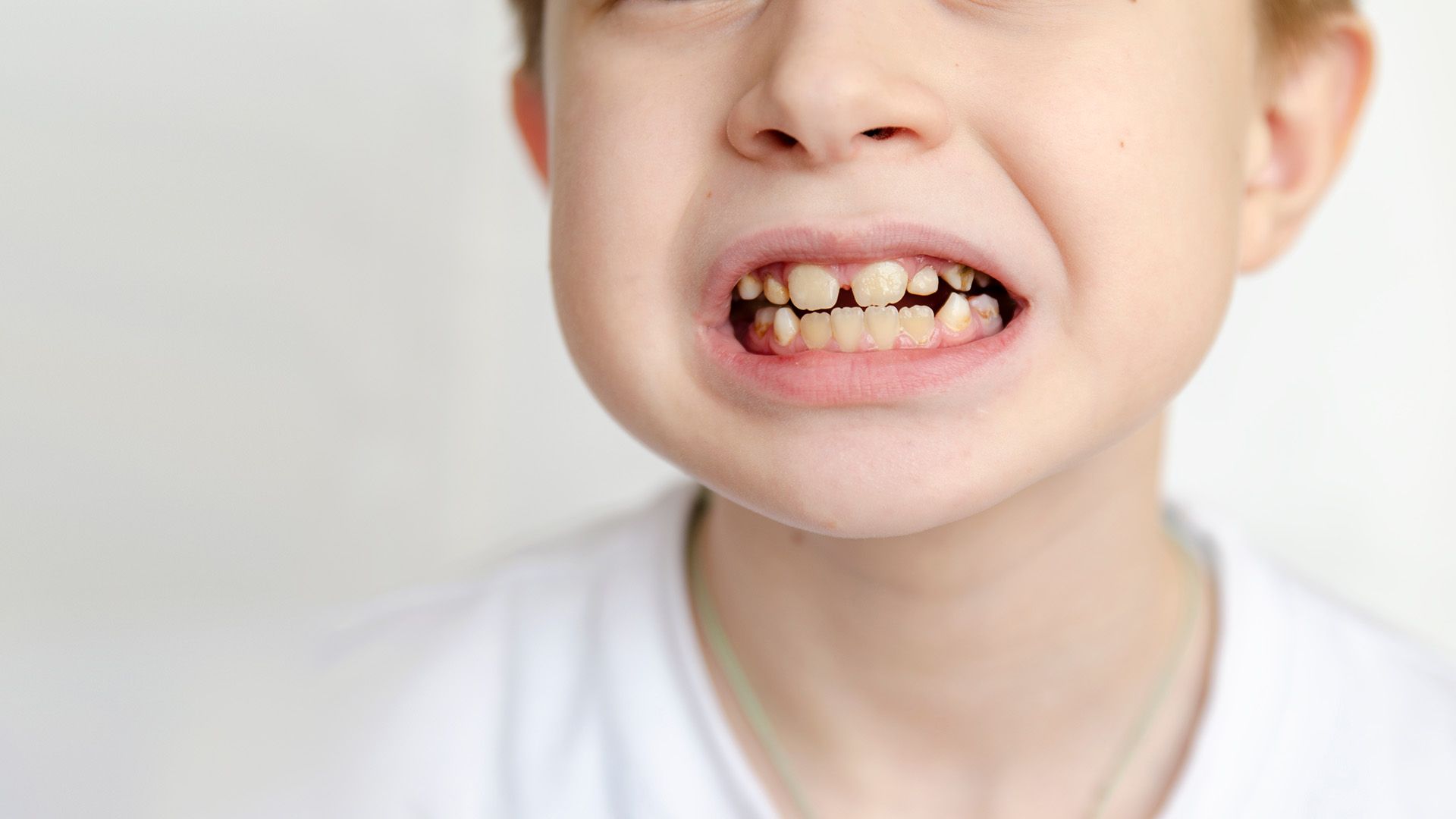
Skipping routine care can lead to cavities, pain, infections, and difficulty eating or sleeping. Because baby teeth are small, decay can spread quickly and may require more extensive treatment. Establishing a simple daily routine makes brushing and dental visits easier as your child grows and helps dispel myths about baby teeth being unimportant.
Myth #2: Only Permanent Teeth Matter
Baby teeth are essential for chewing, nutrition, speech, and guiding permanent teeth into the correct positions. Keeping them healthy helps children eat a balanced diet comfortably, which supports overall growth and development.
Because primary teeth hold space for adult teeth, untreated cavities or early tooth loss can disrupt alignment and affect how permanent teeth erupt. This can increase the likelihood of needing orthodontic treatment later on. Healthy baby teeth support a smoother transition when permanent teeth come in.
Another common misunderstanding is that baby teeth fall out so quickly they aren’t worth treating. In reality, some primary molars remain in the mouth until ages 10 to 12. That’s many years of chewing, speaking, and smiling, years that benefit from strong, cavity-free teeth. Recognising and correcting myths about baby teeth ensures families prioritize early prevention and care.
Myth #3: Teething Is Always a Painful Process
Teething can cause fussiness, drooling, gum swelling, and a desire to chew. Mild discomfort is normal, but high fever, rash, diarrhea, or severe irritability usually points to something other than teething. If your child has a temperature over 100.4°F or persistent symptoms, consult your pediatrician.
To soothe discomfort, offer a clean, chilled (not frozen) teether or a cold, damp washcloth to chew on. Gently massage your baby’s gums with a clean finger. Over-the-counter pain relievers may help when recommended by your pediatrician, but avoid numbing gels containing benzocaine and do not use teething necklaces due to choking and strangulation risks.
Seek professional advice if your child seems unusually uncomfortable, refuses to eat or drink, or you notice signs of decay or injury on emerging teeth. A pediatric dentist can confirm normal teething patterns, suggest safe comfort strategies, and check for early oral health concerns.
Myth #4: Dental Visits Can Wait Until Age 5
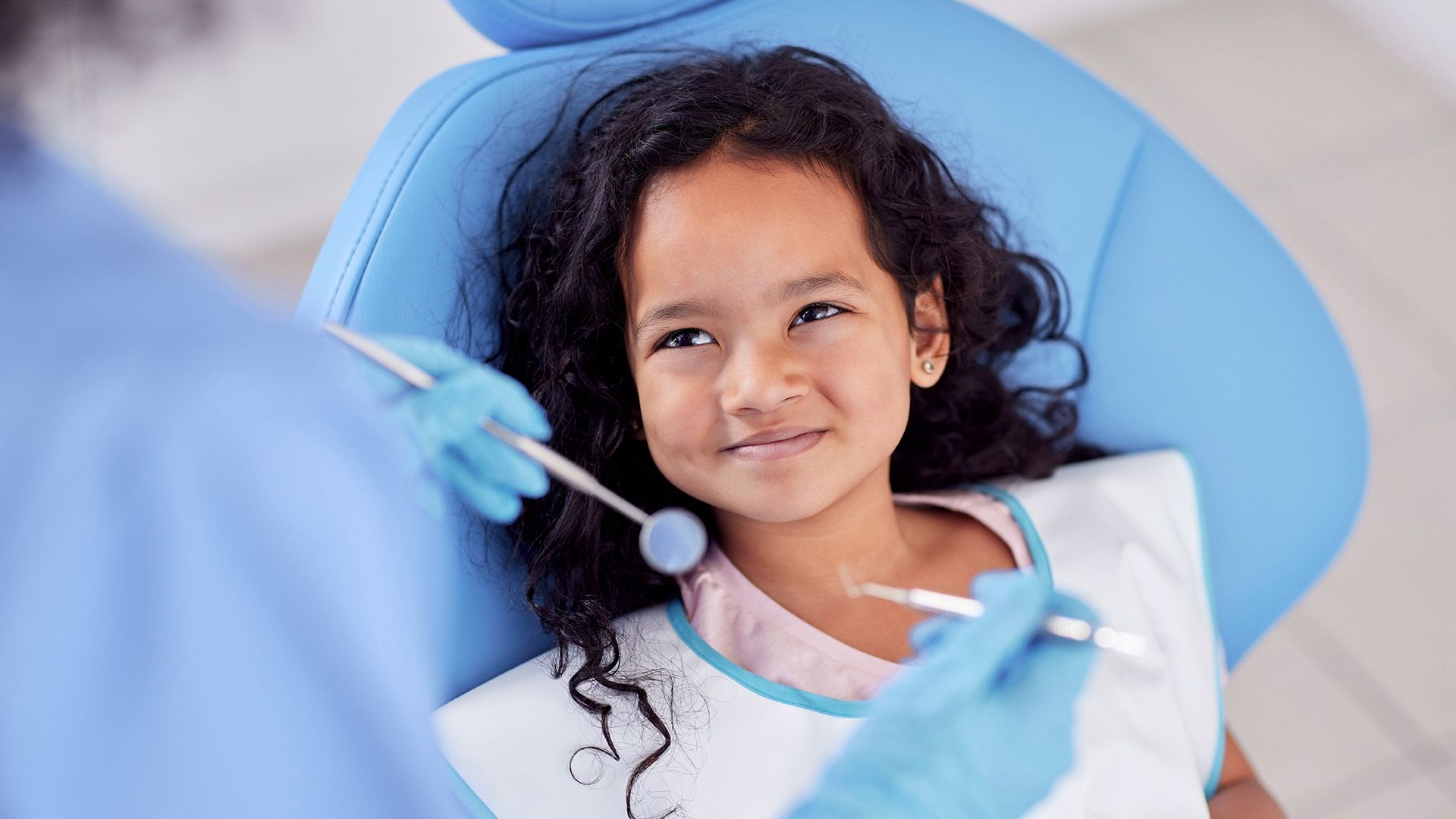
The American Academy of Pediatric Dentistry recommends a first dental visit by your child’s first birthday or within six months of the first tooth erupting. Early visits help prevent problems, create positive experiences, and give parents tailored guidance on brushing, nutrition, and fluoride use.
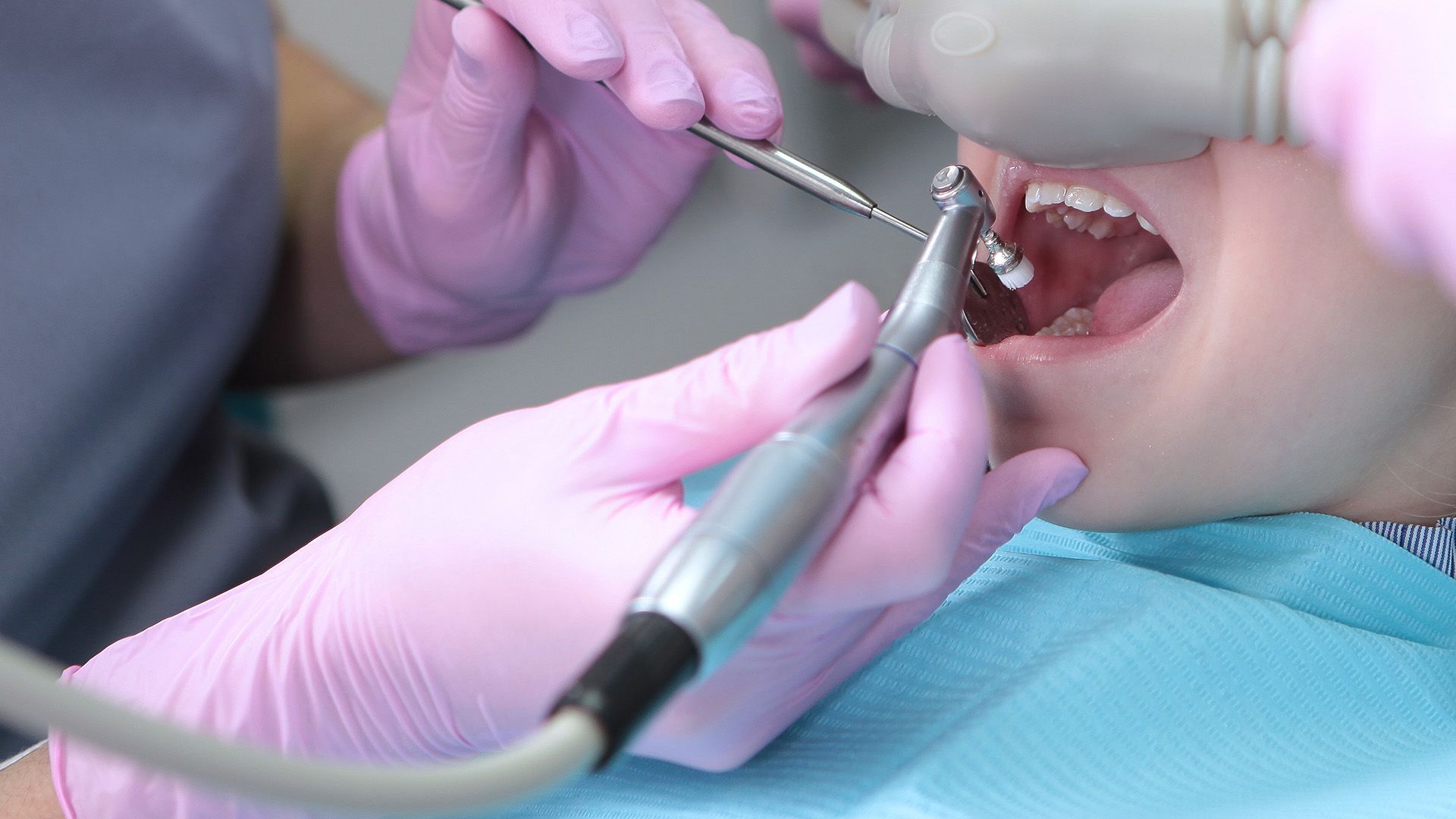
Regular checkups from an early age allow the dentist to monitor growth, spot early signs of decay, and address habits like prolonged bottle use or thumb-sucking that may affect alignment. Preventive care, such as professional cleanings and fluoride treatments when appropriate, reduces the risk of cavities and builds lifelong oral health.
At the first appointment, expect a gentle exam of the teeth, gums, jaw, and bite. The dental team will review brushing techniques, discuss diet and habits, and answer questions about teething and fluoride. Many practices use a knee-to-knee position for infants, keeping your child comfortable while the dentist takes a quick look. Most early visits are short, reassuring, and focused on prevention.
Quick Tips for Healthy Baby Teeth
- Brush twice daily using a smear of fluoride toothpaste for children under 3, and a pea-sized amount from ages 3 to 6.
- Limit sugary snacks and drinks, especially between meals and at bedtime.
- Avoid putting your child to bed with a bottle containing anything other than water.
- Offer water throughout the day and a balanced diet rich in fruits, vegetables, dairy, and lean proteins.
- Schedule regular dental visits starting by age 1.
Sharing evidence-based guidance helps families move beyond myths about baby teeth and build routines that protect every stage of their child’s smile.
Common Myths vs. Facts at a Glance
| Myth | Fact |
|---|---|
| Baby teeth don’t need care. | They require daily cleaning and fluoride to prevent decay and protect development. |
| Only permanent teeth matter. | Primary teeth are crucial for nutrition, speech, and guiding adult teeth. |
| Teething is always severe. | Most discomfort is mild; severe symptoms usually indicate something else. |
| Dentist visits can wait until age 5. | First visit by age 1 supports prevention and positive dental experiences. |