Teething Symptoms and Relief Tips for Babies
Teething is a normal milestone in infancy, but it can be stressful when your baby seems uncomfortable. Recognizing the teething symptoms and relief tips for babies and knowing safe, effective ways to soothe your child can make this stage easier for everyone. Below, you’ll find when teething typically begins, what symptoms to expect, and practical tips to help your baby feel better.
Understanding Teething
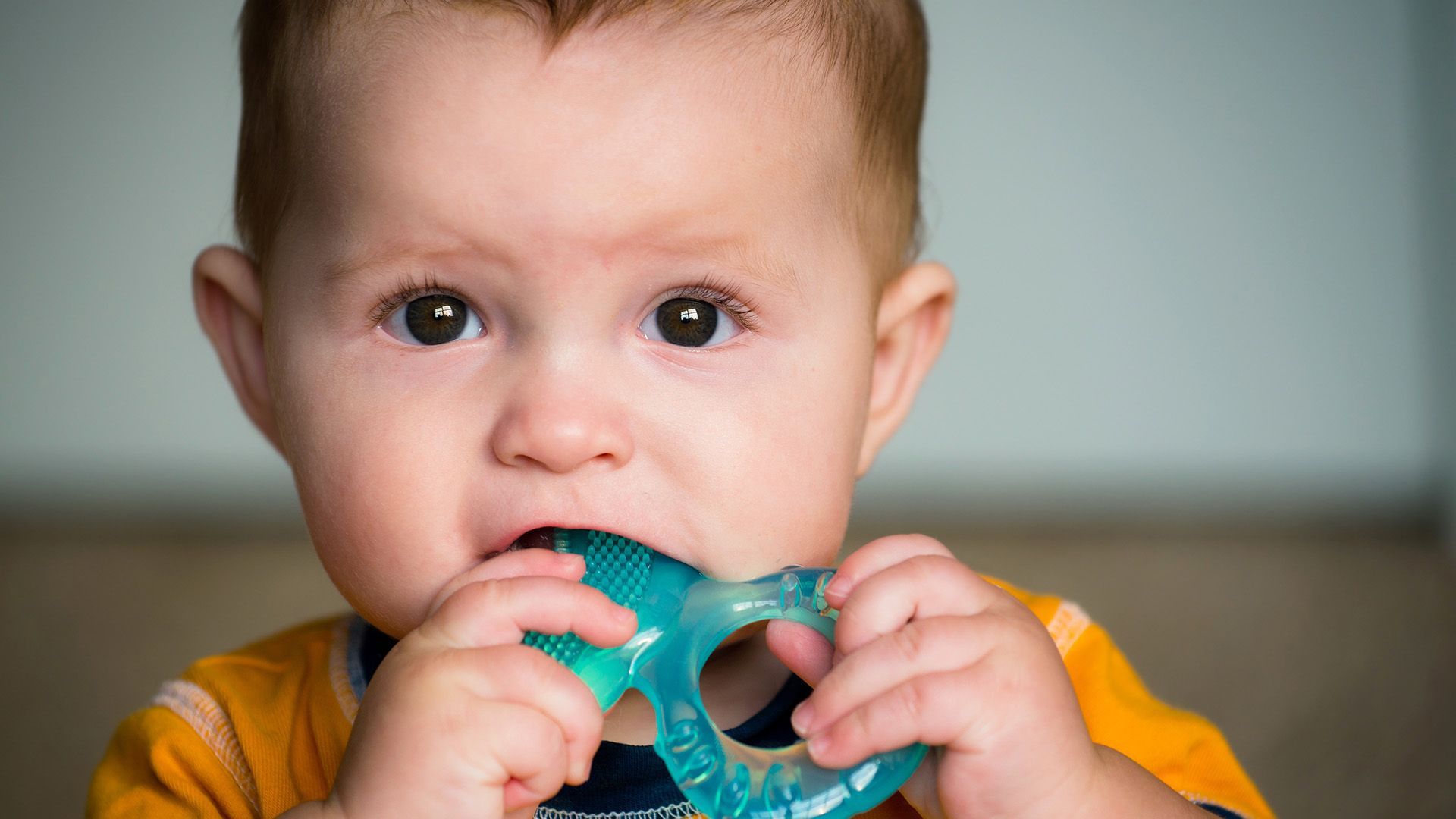
Teething is the process of primary (baby) teeth erupting through the gums. Most babies begin teething around 6 months, though it can start as early as 3 months or as late as 12 months. Every child develops at their own pace, and small variations are normal. Teething continues until about age 3, when the final molars usually appear.
The general sequence starts with the lower central incisors, followed by the upper central incisors. Next come the lateral incisors, first molars, canines, and finally the second molars. By age 3, most children have a complete set of 20 primary teeth. This order can vary without indicating a problem.
It’s important to separate facts from myths. Teething does not cause high fever, severe diarrhea, or widespread rashes. While mild temperature elevation and slightly looser stools may occur due to increased drooling and hand-to-mouth behavior, persistent or high fever, significant vomiting, or pronounced diarrhea should be evaluated by a pediatrician. Another misconception is that teething always causes severe pain; many babies experience only mild discomfort that responds to simple soothing measures. Keeping these points in mind helps you interpret teething symptoms and relief tips for babies without unnecessary worry.
Signs and Symptoms of Teething
Common physical signs include tender or swollen gums, extra drooling, and a strong urge to chew. You may see a small white ridge or a raised area where a tooth is about to erupt. Some babies have mild cheek flushing, bite or rub their gums more often, or tug at their ears due to referred gum discomfort. Fussiness is common, especially later in the day when babies are more tired.
Behavioral changes can include shorter naps, more frequent night waking, and a temporary dip in appetite for solid foods because chewing may be uncomfortable. Most babies continue to accept breast milk or formula. These changes tend to be brief and improve as the tooth breaks through.
Distinguishing teething from illness matters. Teething may cause mild irritability and a slight temperature rise, but it should not cause a true fever of 100.4°F (38°C) or higher, severe diarrhea, persistent vomiting, or a widespread rash. If your baby shows high fever, lethargy, breathing difficulties, signs of dehydration, or symptoms lasting more than a few days without improvement, contact your pediatrician to rule out infection or other conditions.
Effective Relief Tips for Teething Babies
Gentle, safe home strategies often bring quick comfort:
- Offer a clean, chilled (not frozen) teething ring to help numb sore gums.
- Let your baby chew on a cold, damp washcloth under close supervision.
- Massage the gums with a clean finger using light pressure.
- If your baby eats solids, serve chilled soft foods such as applesauce or yogurt to soothe the mouth.
- Rotate age-appropriate teething toys to maintain interest and reduce frustration.
Always supervise your baby during teething play and avoid hard or small objects that could pose a choking hazard.
Over-the-counter pain relief may help if discomfort is significant and home measures aren’t enough. Acetaminophen can be used for infants who are old enough, and ibuprofen is an option for babies 6 months and older. Follow dosing instructions based on your child’s weight, and consult your pediatrician if you have questions. Avoid topical numbing gels containing benzocaine or lidocaine, and do not use teething tablets with questionable ingredients, as these can be unsafe.
Creating a calm routine can also ease discomfort. Maintain predictable naps and bedtimes, offer extra cuddles, and use soothing techniques such as gentle rocking, soft music, or a warm bath. Keep the sleep environment comfortable and consistent. Ensuring good hydration and regular feedings can help your baby feel secure while new teeth emerge.
Parents often ask for a quick summary of teething symptoms and relief tips for babies. In short: expect gum tenderness, drooling, chewing, and brief sleep disruptions; offer chilled teethers, gentle gum massage, safe pain relief when appropriate, and consistent routines to support comfort.
When to Consult a Pediatrician
Seek medical care if your baby has any of the following, as they are not typical of teething:
- High fever of 100.4°F (38°C) or higher
- Severe or persistent diarrhea or vomiting
- Widespread rash or difficulty breathing
- Signs of dehydration, such as fewer wet diapers, dry mouth, or no tears when crying
- Extreme lethargy or symptoms that worsen or fail to improve after a few days
Teething discomfort is usually mild, localized to the gums, and improves with soothing strategies. Illness often includes systemic symptoms like significant fever, notable changes in behavior or feeding that do not improve, or respiratory and gastrointestinal issues. If you’re unsure, a quick call to your pediatrician can provide clarity.
When you speak with your pediatrician, share a brief timeline of symptoms, any temperature readings, changes in feeding or sleep, and the relief methods you’ve tried. Note any medications and doses given. Ask about safe pain relief options, how to dose by weight, and whether your child’s eruption pattern is typical. Your pediatrician can help rule out other causes, offer tailored guidance, and prepare you for what to expect as more teeth arrive. Clear communication supports better decisions about teething symptoms and relief tips for babies.