Does Thumb Sucking Cause Buck Teeth?
Thumb sucking is a common self-soothing habit in babies and young children. In many cases, it’s harmless and fades on its own. When the habit continues beyond the early years, though, it can influence how teeth and jaws develop. Many have wondered, does thumb sucking cause buck teeth? This guide explains how thumb sucking can contribute to buck teeth (an increased overjet), what signs to watch for, and practical steps parents can take to help their child stop the habit before it affects their smile.

Understanding Thumb Sucking and Its Effects
Thumb sucking is a natural reflex that helps infants feel secure and calm. Many children use it to self-regulate during sleep, stress, or transitions, and most stop on their own between ages 2 and 4. Occasional, gentle thumb sucking during infancy is developmentally normal.
As primary teeth erupt around 6 to 12 months, a thumb can apply pressure to the front teeth. Brief, infrequent episodes usually have little impact. By ages 3 to 4, facial bones and bite relationships are becoming more defined, so persistent, strong thumb sucking after this point is more likely to affect alignment.
A couple of myths persist: that any thumb sucking will ruin teeth, or that children will always outgrow it no matter how long it lasts. The reality lies in the middle. Frequency, intensity, and duration matter. Gentle, occasional thumb sucking typically doesn’t cause lasting changes, while firm, frequent, long-term habits can shift teeth and influence the palate.
How Thumb Sucking Can Lead to Buck Teeth
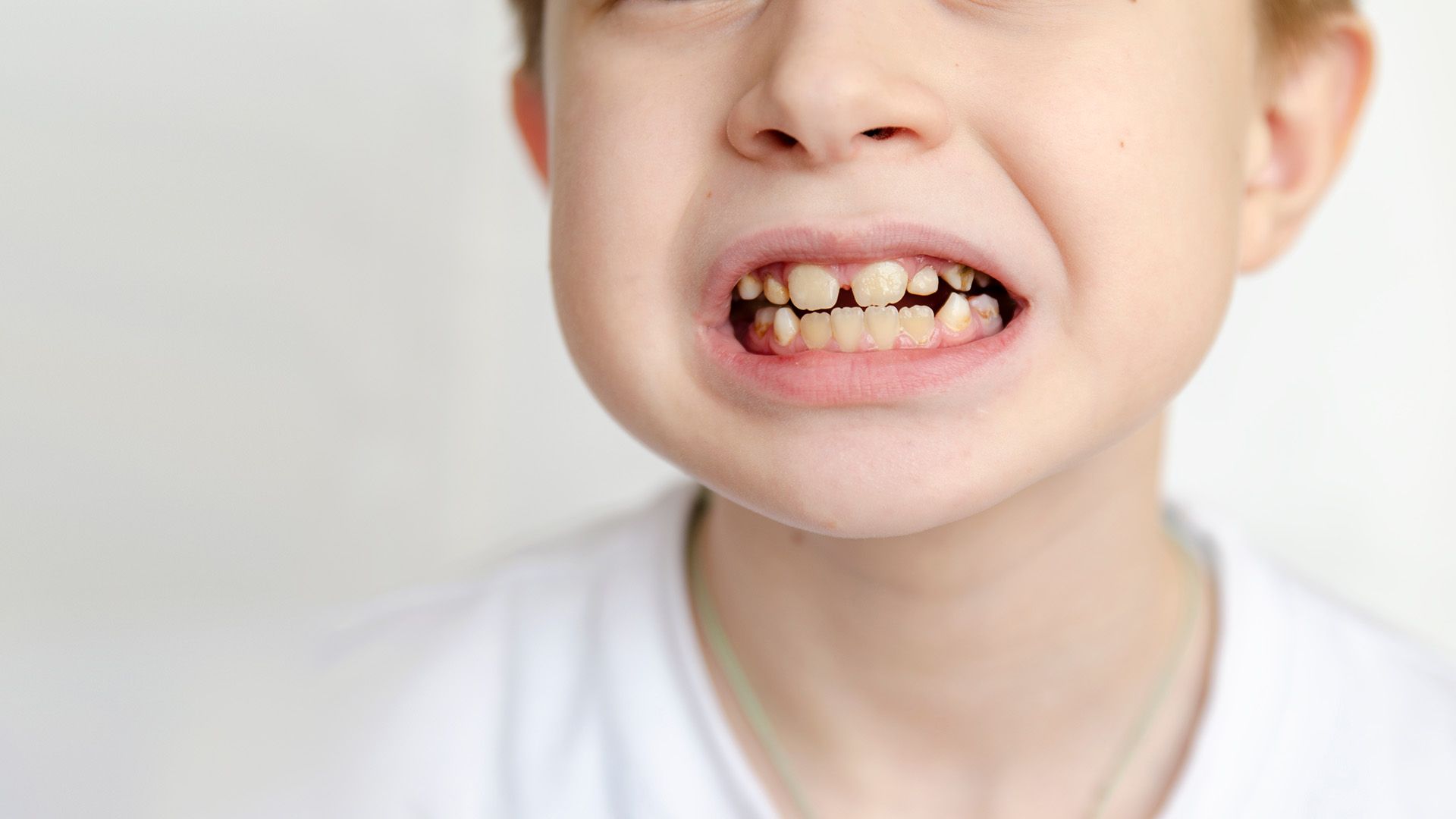
Thumb sucking can lead to buck teeth by placing forward pressure on the upper front teeth and backward pressure on the lower front teeth. Over time, this can tip the upper incisors outward and the lower incisors inward, increasing the overjet, the horizontal distance between the upper and lower front teeth. The thumb may also press against the palate, encouraging it to narrow and contributing to bite problems such as an open bite or crossbite. Parents often ask if thumb sucking causes buck teeth and the answer depends on the pattern and persistence of the habit.
Whether misalignment occurs depends on several factors:
- Frequency: how often a child sucks their thumb
- Intensity: how strongly they apply pressure
- Duration: how long the habit continues
- Other influences: genetics, mouth breathing, tongue posture, and timing of dental development
Children who lightly suck their thumb mainly during sleep are at lower risk than those who do so throughout the day with strong pressure.
Pacifier use can have similar effects. Because pacifiers are easier to control and remove earlier, they may pose a lower risk if discontinued by age 2 to 3. However, prolonged pacifier use can also affect tooth and jaw alignment. In both cases, the longer and stronger the habit, the higher the likelihood of bite changes that resemble buck teeth and other concerns.
When Thumb Sucking Becomes a Concern
Watch for signs that thumb sucking may be affecting dental health:
- Upper front teeth that appear flared or protrusive
- Lower front teeth that angle inward
- A gap between top and bottom front teeth when back teeth touch (open bite)
- Narrowing of the upper arch
- Calluses on the thumb, speech lisping, or mouth breathing
Pediatric dentists and orthodontists typically recommend addressing the habit if it persists beyond ages 3 to 4, especially as permanent teeth begin to erupt around ages 6 to 7. Stopping during this transition period is ideal because many minor changes can self-correct if the habit ends early.
If thumb sucking continues into the mixed dentition years, potential long-term effects include increased overjet (often called buck teeth), open bite, crossbite, altered jaw growth patterns, gum irritation around front teeth, and a higher risk of dental trauma to protrusive upper incisors. Early guidance can reduce these risks and directly addresses if thumb sucking causes buck teeth, by helping prevent the conditions that lead to them.
Effective Strategies to Stop Thumb Sucking
Positive, supportive approaches are most successful. Instead of punishment, try:
- Praising thumb-free times and using small reward charts
- Setting achievable goals, like staying thumb-free during story time or bedtime
- Involving your child in the plan and celebrating progress
Offer alternatives for comfort and self-soothing:
- A favorite stuffed animal, a soft blanket, or a calming bedtime routine
- Relaxation techniques like deep breathing for older children
- A fidget toy during stressful moments
- Gentle physical reminders, such as a bandage on the thumb at night, paired with encouragement
Address triggers that prompt thumb sucking. Build consistent routines for naps and bedtime, reduce screen-time overstimulation before sleep, and provide extra reassurance during transitions. If mouth breathing or allergies are present, speak with your child’s healthcare provider, as improved nasal breathing can make the habit easier to stop.
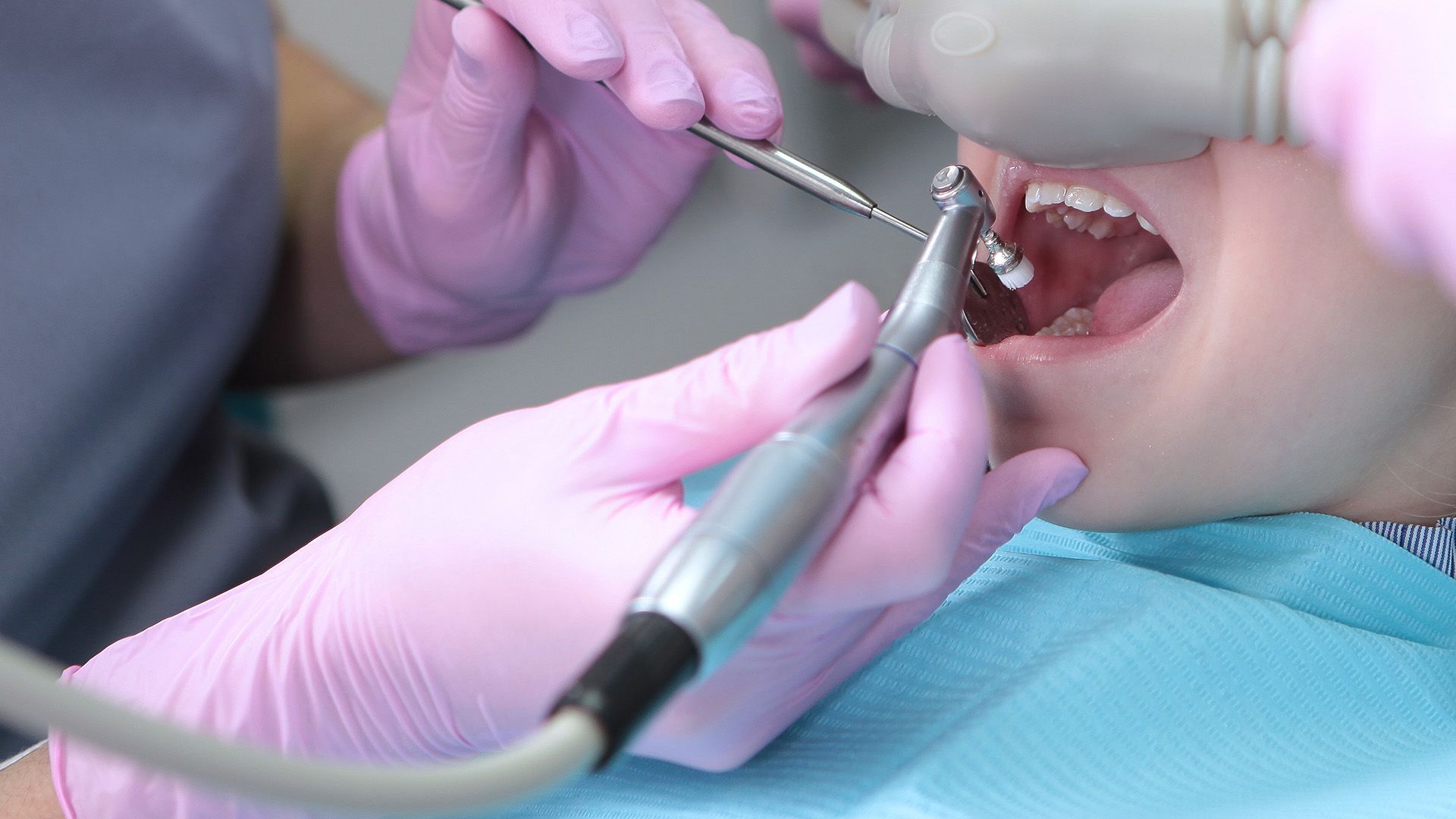
Professional support can help if home strategies aren’t enough. A pediatric dentist or orthodontist can provide guidance, monitor development, and recommend interventions. Options may include habit counseling, reminder appliances for persistent cases, and an early orthodontic evaluation around age 7 to assess bite and jaw growth. These steps both answer and act on the concern for thumb sucking causing buck teeth by identifying changes early and guiding timely intervention.
If you’re concerned about thumb sucking or notice changes in your child’s bite, consider scheduling a consultation with a dental professional. Early, gentle guidance can protect developing teeth and support a healthy, confident smile.