What to Do If Your Child Is Grinding Their Teeth
Teeth grinding (bruxism) is common in children and can occur during the day or at night. Many kids outgrow it, but persistent grinding may lead to tooth wear, jaw pain, and sleep disruptions. Understanding the signs, causes, and treatment options can help you protect your child’s smile and overall well-being. If you’re wondering what to do if your child is grinding their teeth, the guidance below covers practical steps to take at home, indicators that warrant a professional evaluation, and what to expect during care.
Understanding Teeth Grinding (Bruxism)
Bruxism is the involuntary clenching, grinding, or gnashing of teeth. In children, it may be intermittent and mild or frequent enough to affect dental health and jaw comfort. Many children grind unknowingly, especially while asleep.
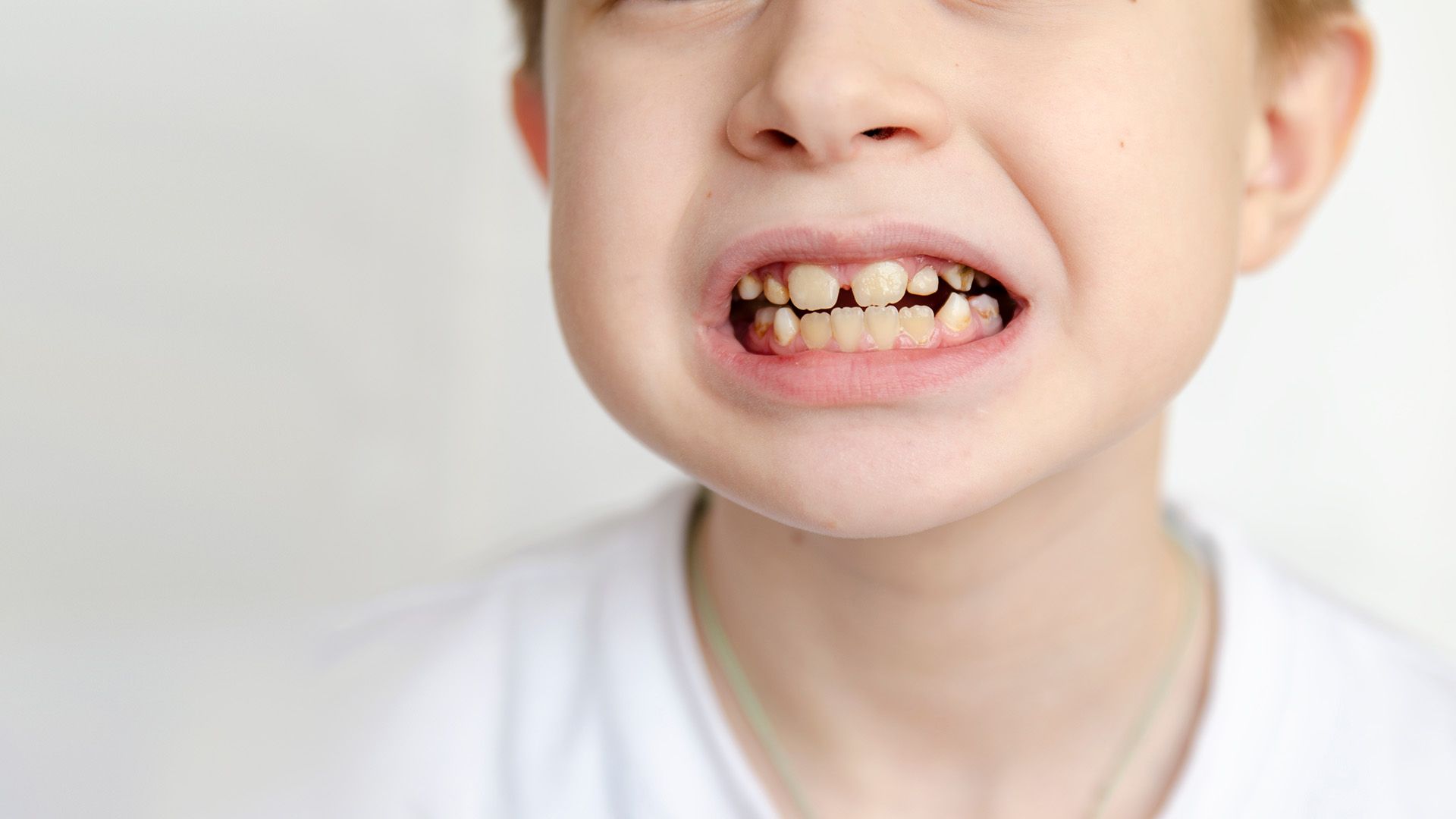
Common signs include nighttime grinding sounds, flattened or chipped teeth, tooth sensitivity, jaw soreness, morning headaches, and difficulty opening the mouth widely. Some children also bite the inside of their cheeks or show jaw clicking.
Daytime grinding often presents as clenching during concentration or stress, and kids may respond to gentle reminders to relax their jaw. Nighttime grinding (sleep bruxism) occurs unconsciously, can be louder, and may be related to sleep quality or breathing. Both forms can impact the teeth and jaw if they continue unchecked. For parents asking what to do if your child is grinding their teeth, starting with awareness of these patterns helps guide the next steps.
Causes of Teeth Grinding in Children
Several factors can contribute to bruxism:
- Stress and anxiety: School changes, social pressures, or worries at home may trigger jaw clenching as a physical response to tension.
- Dental and orthodontic factors: Misaligned teeth, an uneven bite, or teething discomfort in younger children can prompt grinding as they try to find a comfortable bite. An orthodontic assessment can identify structural contributors.
- Sleep disturbances: Nighttime bruxism may be linked to snoring, sleep-disordered breathing, or obstructive sleep apnea. Poor sleep hygiene, inconsistent bedtimes, and stimulants like caffeine can worsen grinding episodes.
Signs and Symptoms to Watch For
Recognizing bruxism early helps prevent damage. Watch for the following:
- Physical signs: Morning jaw pain or tenderness, headaches in the temples, earaches without infection, worn or chipped teeth, tooth sensitivity, indentations on the tongue or inner cheeks, and grinding noises during sleep.
- Behavioral signs: Irritability, daytime fatigue, difficulty concentrating, and decreased school performance linked to poor sleep. Some children avoid chewy foods or report discomfort when eating.
Contact a dentist or orthodontist if you notice cracked or flattened teeth, persistent jaw pain, frequent headaches, bleeding gums, jaw clicking or locking, or grinding accompanied by snoring or pauses in breathing at night. Early evaluation reduces the risk of long-term damage and helps identify underlying causes that may require treatment. Knowing what to do if your child is grinding their teeth includes monitoring these signs and seeking timely care.
Home Remedies and Solutions
Start with simple steps that can reduce grinding and protect the teeth:
- Create a calming bedtime routine: Keep a consistent sleep schedule, incorporate quiet reading, and try light stretching. Encourage deep breathing or guided imagery to ease tension. Avoid screens for at least an hour before bed to support better sleep quality.
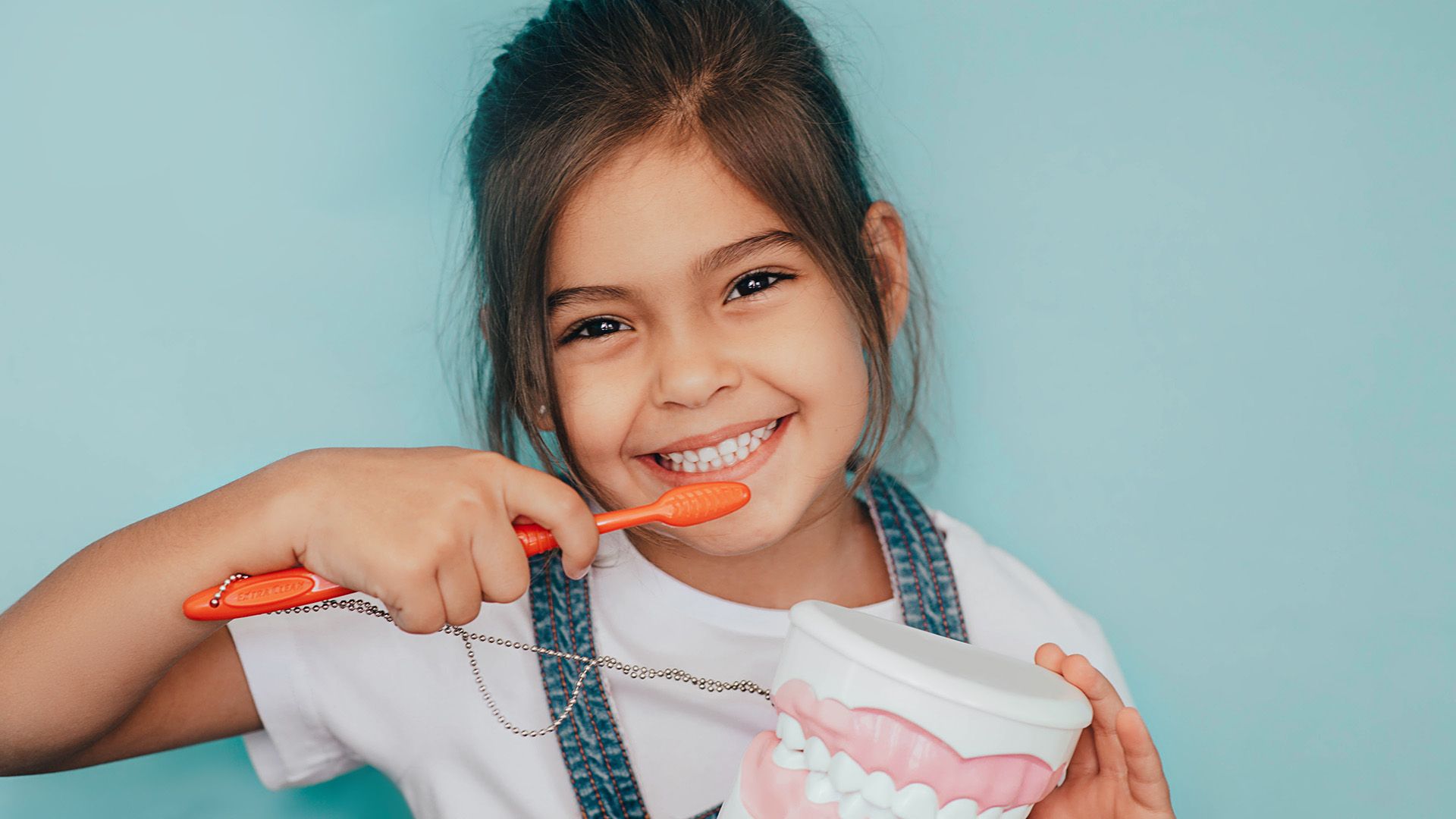
- Support dental health: Brush twice daily with fluoride toothpaste and floss once a day. Limit sugary snacks and caffeinated beverages, especially later in the day.
- Ease muscle tension: Apply a warm compress to the jaw for 10–15 minutes before bed and consider gentle jaw massages to relax overworked muscles.
- Use a mouthguard (night guard): A guard helps protect teeth from wear and can reduce muscle strain. Over-the-counter options may offer temporary relief, but a custom, professionally fitted appliance typically provides better comfort, fit, and protection. For children with mixed dentition, your provider will choose designs appropriate for growing jaws.
- Promote daytime awareness: Teach your child a relaxed jaw posture: lips together, teeth apart, tongue resting gently on the roof of the mouth. Consider reminder notes or a timer to check in and release jaw tension during homework or gaming.
If you’re unsure what to do if your child is grinding their teeth, begin with these home strategies while observing changes in symptoms.
When to Seek Professional Help
Schedule a visit if grinding leads to tooth damage, persistent pain, frequent headaches, jaw clicking or locking, or signs of sleep-disordered breathing (snoring, mouth breathing, pauses in breathing). Seek care if home measures don’t improve symptoms within a few weeks.
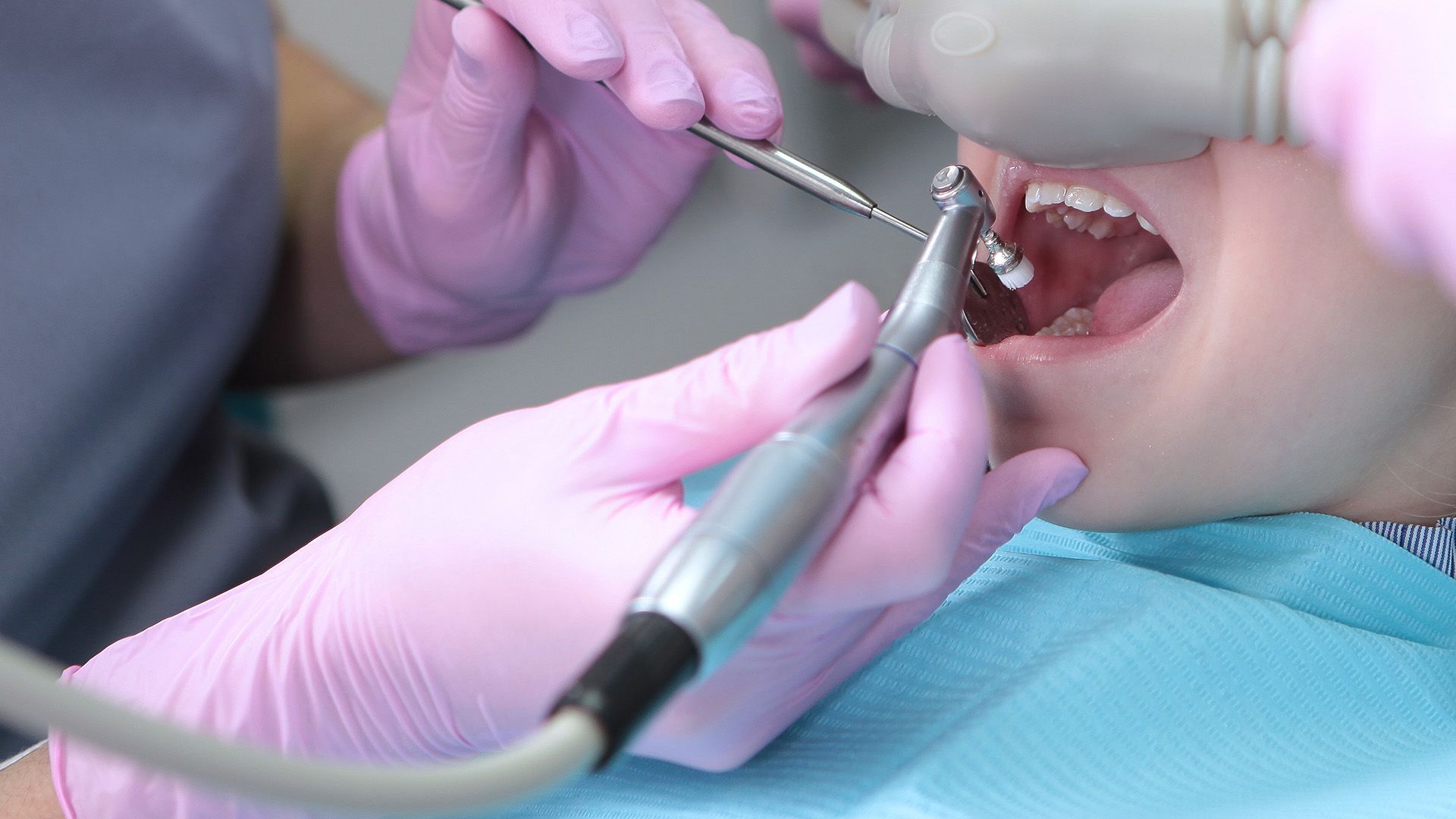
During an evaluation, your provider will review health and sleep history, examine the teeth and bite for wear and alignment, and assess muscle tenderness and joint function. They may recommend dental imaging, refer for a sleep assessment if apnea is suspected, or discuss orthodontic options when bite issues are contributing.
Many children improve with a comprehensive plan that may include custom night guards, orthodontic care to correct misalignment, physical therapy for jaw muscles, and behavioral strategies to reduce clenching. If sleep-related bruxism is present, addressing underlying breathing issues with an ENT or sleep specialist can significantly reduce grinding and improve overall sleep quality.
Treatment Options at a Glance
| Treatment | Best For | Benefits |
|---|---|---|
| Custom night guard | Moderate to severe wear or jaw soreness | Protects teeth, reduces muscle strain, comfortable fit |
| Orthodontic care | Bite misalignment contributing to grinding | Improves occlusion, may reduce grinding triggers |
| Sleep evaluation | Snoring, mouth breathing, suspected apnea | Addresses airway issues linked to sleep bruxism |
| Physical therapy | Muscle tension, jaw pain, limited opening | Relieves symptoms, improves jaw function |
| Behavioral strategies | Daytime clenching, stress-related triggers | Builds habits to relax jaw and manage stress |
How Parents Can Help Day-to-Day
- Check in with your child about stressors and offer support and coping strategies.
- Model healthy sleep habits and keep consistent bed and wake times, even on weekends.
- Encourage hydration and balanced meals; limit caffeine and chewy, sticky foods in the evening.
- Use positive reinforcement to reward relaxed jaw posture and breaking clenching habits.
- Monitor for changes in symptoms and note any triggers, such as exams, sports tryouts, or screen time.
For families considering what to do if your child is grinding their teeth, small daily changes can make a meaningful difference over time.
Protecting Your Child’s Smile
Most children who grind their teeth can be guided toward healthier habits and symptom relief with timely, thoughtful care. A combination of home strategies, professional evaluation, and targeted treatment, when needed, helps prevent tooth wear, ease jaw pain, and improve sleep quality. If you’re concerned about grinding, reach out to your dentist or orthodontist. Early action protects the teeth and sets the stage for comfortable, confident smiles as your child grows. Keep this guide handy whenever you need a quick reminder of what to do if your child is grinding their teeth.