Why Does My Toddler's Breath Smell Bad?
Bad breath in toddlers is common and often short-lived, but it can also signal a need for better oral hygiene or a minor health concern. If you’re asking why my toddler's breath smells bad, know that understanding the likely causes, and how to address them, can improve your child’s comfort and overall oral health. Below, we cover common triggers of childhood bad breath, when to start brushing, ways to build healthy habits, and signs it’s time to see a dentist or doctor.
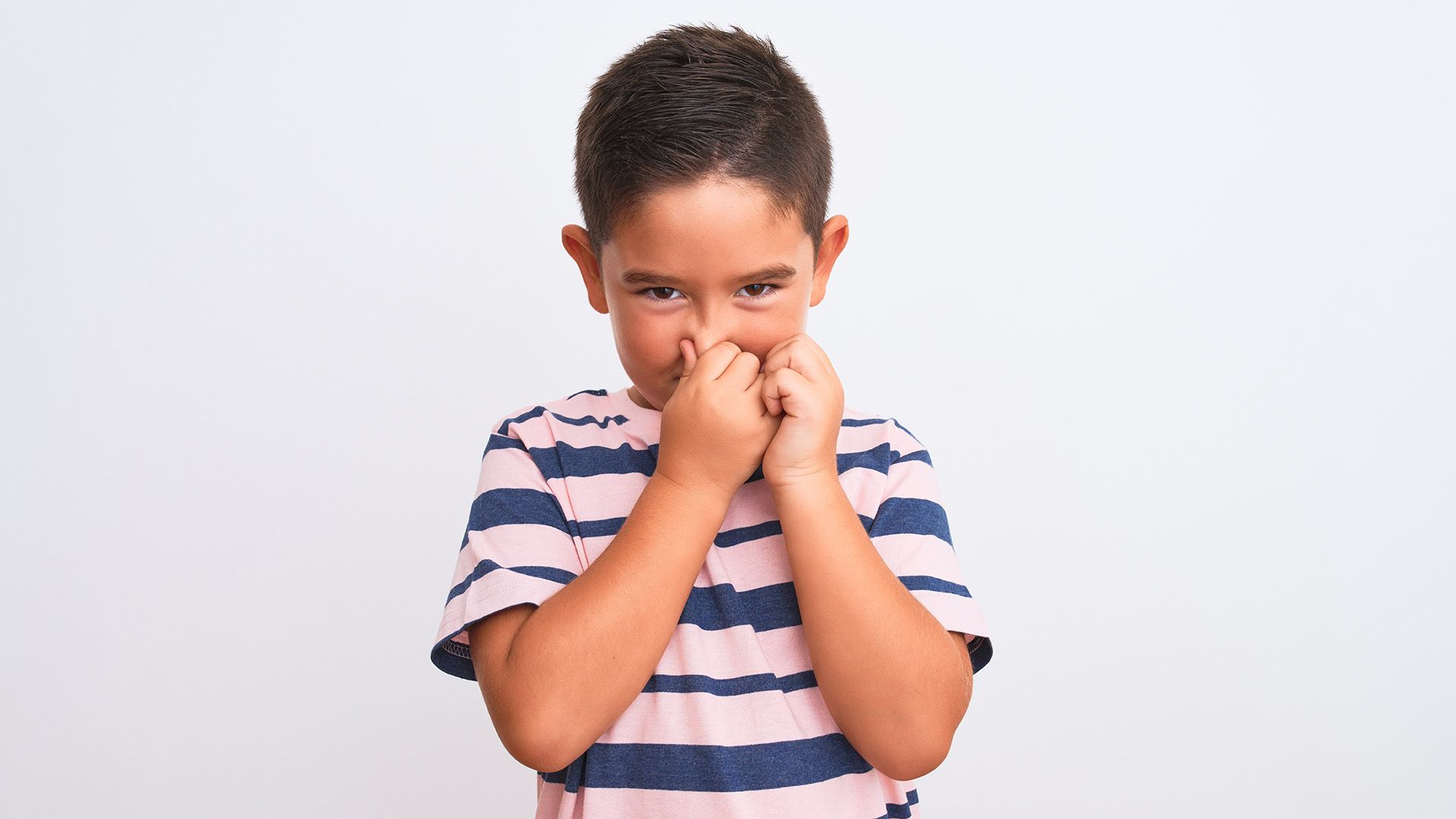
Common Causes of Bad Breath in Toddlers
Several everyday factors can lead to unpleasant breath in young children and explain why does my toddler s breath smell bad:
- Diet choices: Strong flavors like garlic, onions, and certain cheeses can linger. Sugary snacks and drinks feed bacteria that produce smelly compounds, a frequent source of childhood bad breath.
- Sleep-related “morning breath”: Saliva flow drops during sleep, including naps, allowing bacteria to thrive and odors to build.
- Pacifiers and sippy cups: Milk or juice residues can pool around teeth and gums, creating a friendly environment for odor-causing bacteria.
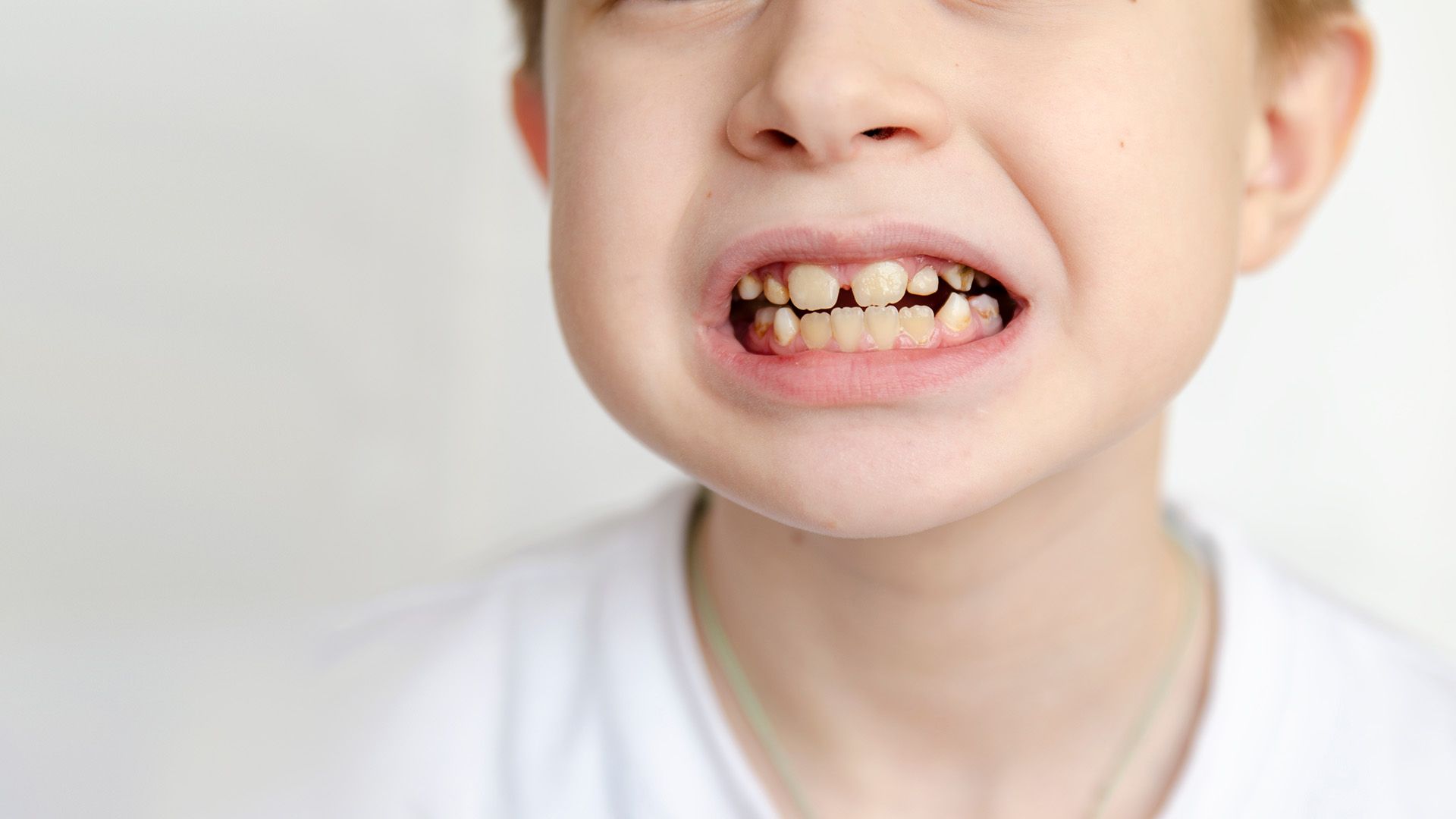
- Plaque and poor brushing: When plaque stays on teeth and along the gumline, bacteria break down food particles and release sulfur compounds that smell bad. Debris caught between teeth, a coated tongue, and uncleaned gums all contribute to childhood bad breath.
Health issues can also play a role. Nasal congestion, colds, or allergies may lead to mouth breathing and dry mouth, which worsens odor. Post-nasal drip and sinus infections add mucus to the throat that can smell unpleasant. Enlarged tonsils or tonsil stones trap debris. Oral thrush, tooth decay, and gum irritation can cause persistent bad breath. Less commonly, reflux, dehydration, or certain medications are involved. If your child’s breath smells fruity or sweet, or if odor persists despite good hygiene, seek professional advice.
When to Start Brushing Your Toddler's Teeth
Begin oral care early. Clean your baby’s gums with a soft, damp cloth after feedings even before teeth appear. As soon as the first tooth erupts, often around 6 months, use a soft-bristled infant toothbrush twice a day. By ages 2 to 3, most children have a complete set of primary teeth and benefit from a consistent brushing routine.
Fluoride toothpaste is key for preventing cavities and strengthening enamel. For children under 3, use a smear the size of a grain of rice. Between ages 3 and 6, use a pea-sized amount and teach your child to spit out excess. Fluoride helps remineralize early weak spots and makes teeth more resistant to decay, which is common in young children.
Keep brushing positive and engaging. Let your child pick a toothbrush with favorite colors or characters. Use a short song or a two-minute timer to set expectations. Try the hand-over-hand method: you brush thoroughly first, then let your child practice. Encouragement, sticker charts, or a special story after brushing can make the routine enjoyable.
How to Build Strong Oral Hygiene Habits
Consistency is the foundation of fresh breath and healthy teeth. Aim for a simple daily routine:
- Brush twice a day for two minutes, morning and before bed.
- Angle the brush toward the gumline and use gentle, small circles on all surfaces, including back molars.
- Clean the tongue gently to remove odor-causing bacteria.
- If teeth touch, begin flossing once daily to remove trapped food.
- Replace toothbrushes every three months or after illness.
Turn oral care into an interactive activity. Make a brushing playlist or use a kid-friendly timer app. Brush side-by-side so your toddler can imitate your technique. Let your child “practice” on your teeth briefly, then switch. Reward consistency and effort rather than perfection. Age-appropriate books or videos about the dentist can reduce anxiety and encourage cooperation.
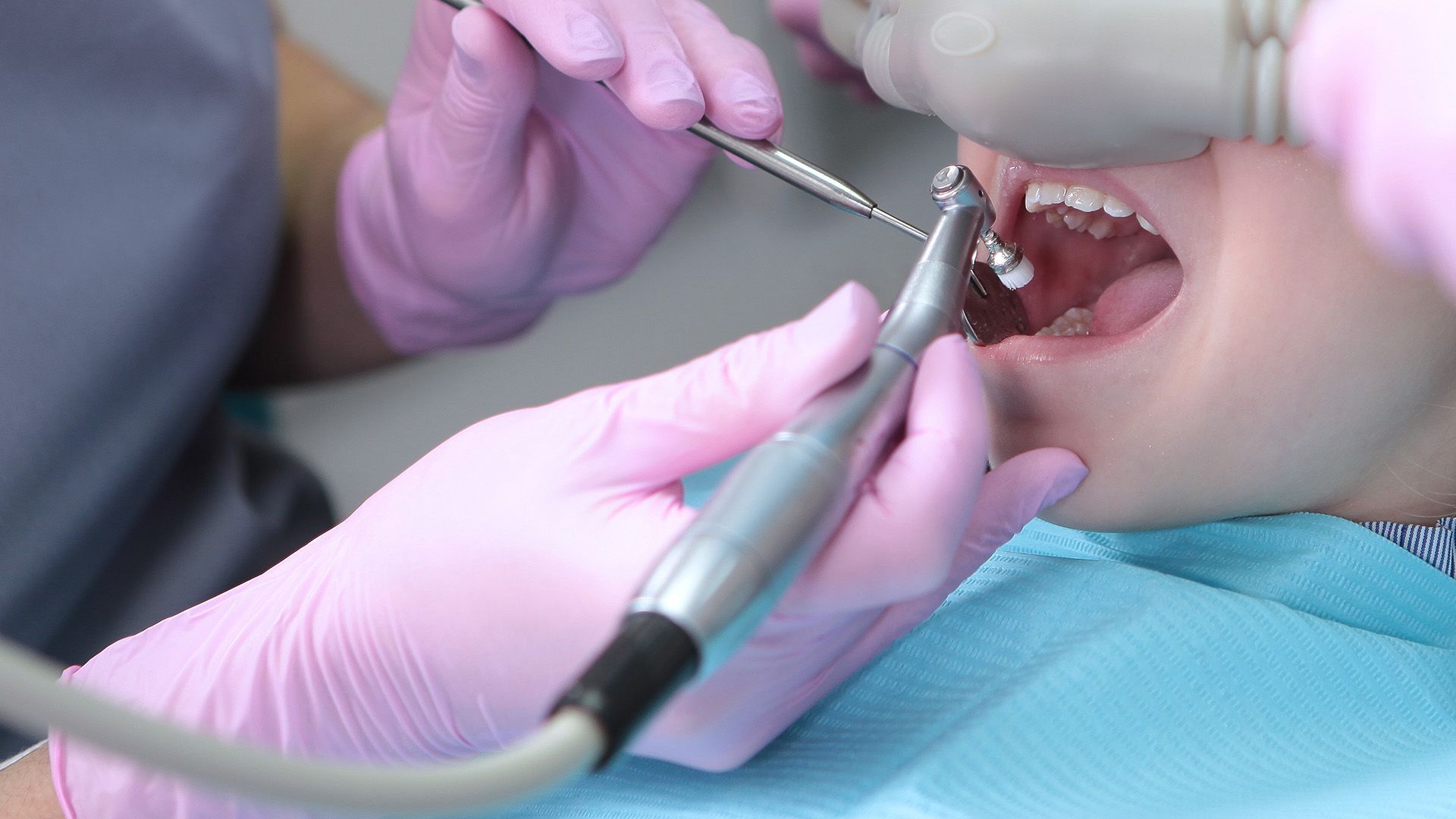
Routine dental visits matter. The American Academy of Pediatric Dentistry recommends a first visit by age 1, or within six months of the first tooth eruption. Regular checkups monitor development, detect early signs of decay or gum irritation, and offer guidance on fluoride, diet, and habits like thumb sucking or pacifier use. Professional cleanings and preventive treatments reduce both decay and odor.
When to See a Doctor or Dentist
Most cases of toddler bad breath improve with consistent home care. However, schedule a dental or medical evaluation if:
- Bad breath lasts more than a couple of weeks despite daily brushing and flossing.
- There is fever, facial swelling, mouth sores, bleeding gums, or tooth pain.
- Odor is very foul and persistent, especially with one-sided nasal discharge (possible sinus infection or a small object in the nostril).
- Breath smells fruity or acetone-like, or your child has excessive thirst or frequent urination (requires urgent evaluation).
Possible underlying causes include cavities, gingivitis, thrush, chronic sinusitis, allergies with mouth breathing, reflux, and dehydration. Prolonged bottle use, frequent sugary drinks, and extended pacifier use can also contribute.
During an evaluation, your child’s dentist or pediatrician will discuss symptoms, diet, and hygiene routines. An oral exam checks plaque levels, cavities, gum health, tongue coating, and signs of infection. If nasal or sinus problems are suspected, a pediatrician may examine the nose and throat and refer to a specialist if needed. Treatment focuses on removing plaque, addressing infections, improving daily hygiene, and making adjustments to diet and hydration. If you’re still wondering why your toddler's breath smells bad after making changes, a professional assessment can pinpoint the cause and guide next steps.
Practical Tips to Manage Toddler Bad Breath
Simple daily steps can make a big difference in day-to-day routines:
- Brush teeth and tongue twice daily with fluoride toothpaste and floss where teeth touch.
- Clean or replace pacifiers frequently and consider weaning around age 2.
- Offer crunchy fruits and vegetables like apples and carrots to help scrub teeth between brushings.
- Have your child drink plain water after meals and snacks when brushing isn’t possible.
Keep your child well hydrated. Saliva neutralizes acids and helps wash away bacteria, so encourage water throughout the day, especially after active play or illness. Limit sugary beverages and juices; choose water and milk at meals. If allergies or congestion cause mouth breathing, discuss treatment options with your pediatrician to reduce dry mouth.
Be mindful of foods that intensify odors, particularly before naps or bedtime. Consider limiting garlic, onions, and heavily spiced sauces, and avoid frequent snacking on sticky, sugary foods that cling to teeth. Establish a “brush before bed, only water after” rule to reduce overnight bacterial growth. With steady home care and timely professional guidance, most childhood bad breath resolves quickly, and you’ll have clearer answers the next time you wonder why your toddler's breath smells bad.