What Order Do Kids' Teeth Fall Out?
Baby teeth don’t all fall out at once. They usually shed in a predictable sequence as permanent teeth come in. If you’ve ever wondered what order do kids' teeth fall out, this guide explains the typical pattern and timeline. Knowing the usual milk teeth order helps you recognize what’s normal, care for loose teeth, and understand when to call your dentist or orthodontist. Use this overview to follow your child’s smile as it grows and changes.
When Do Kids Start Losing Their Baby Teeth?
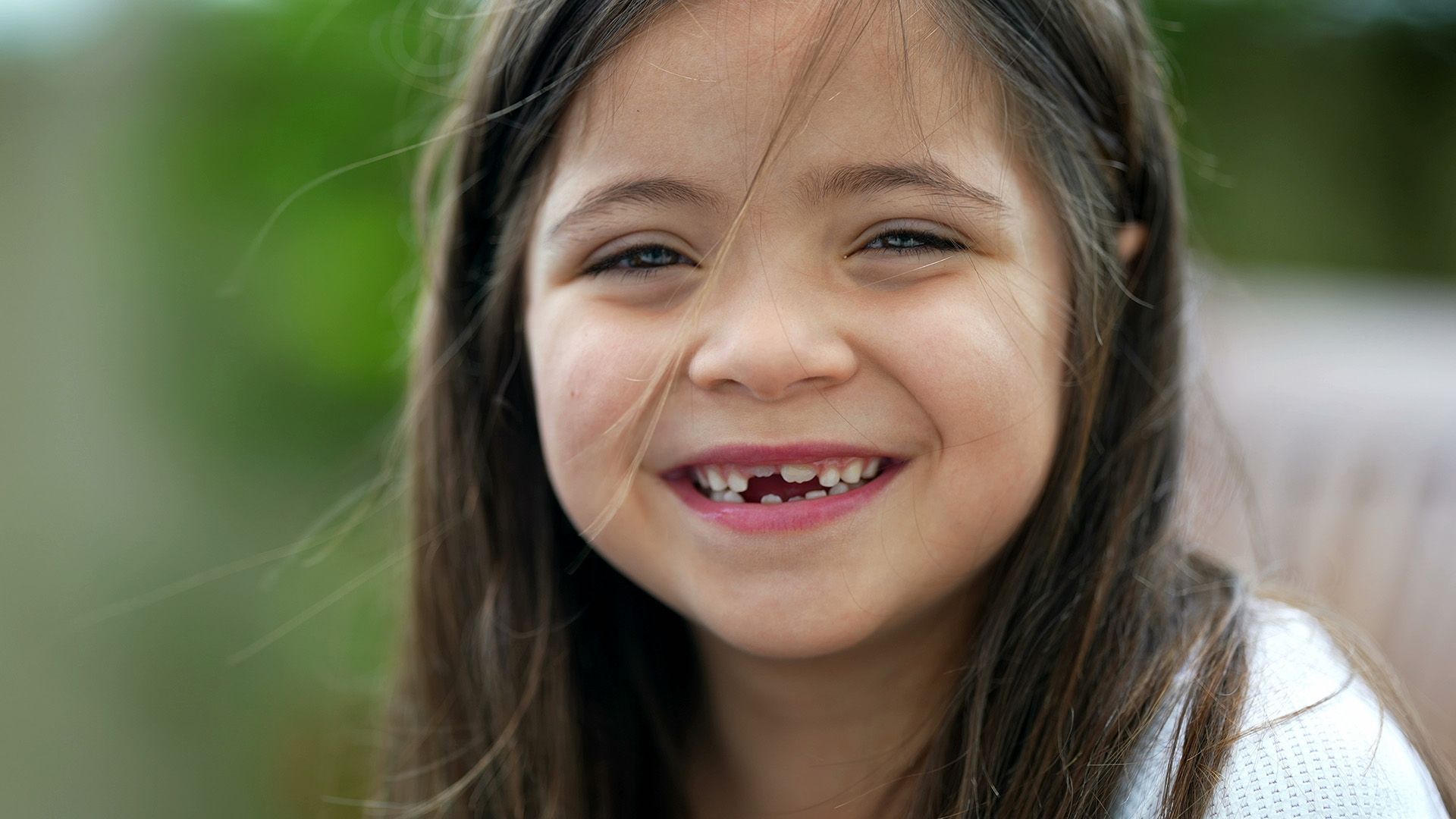
Most children lose their first baby tooth between ages 5 and 7, and the process continues until about age 12 or 13. Some early or late variation is common and usually not a cause for concern.
Timing is influenced by several factors, including genetics (parents who were early or late often have kids who follow the same pattern), overall growth and development, oral health (decay or trauma can lead to earlier loss), and how much space is needed as permanent teeth begin to erupt.
Signs a tooth is ready to fall out include gentle looseness when wiggled, mild tenderness around the gums, and the appearance of a new tooth behind or below the baby tooth. Small gaps can form as the tooth moves. If a tooth is very loose, it’s fine for your child to wiggle it gently with clean fingers or their tongue, just avoid forceful pulling.
The Order of Tooth Loss: A Breakdown
Every child is unique, but baby teeth typically shed in this sequence. Parents often ask what order do kids’ teeth fall out, and the answer closely reflects the common milk teeth order you’ll see below:
- Lower central incisors (bottom front teeth), then upper central incisors
- Upper and lower lateral incisors (the teeth next to the front teeth)
- First molars
- Canines (cuspids)
- Second molars, usually around ages 11–13
Permanent teeth often erupt in the same pattern that baby teeth are lost. If your child just lost a lower central incisor, the upper central incisor or nearby lateral incisors may be next. Look for looseness in teeth adjacent to a recently lost tooth to anticipate what’s coming and to compare with the expected milk teeth order.
Differences among children are normal. Some kids lose upper incisors before lower ones, or canines may shed earlier if space is tight. If tooth loss seems significantly out of sequence, if there’s no tooth loss by age 8, or if permanent teeth are erupting well behind baby teeth that aren’t loosening, schedule a dental or orthodontic evaluation. Understanding what order kids' teeth fall out can help you spot when a pattern looks unusually delayed or out of sync.
What to Expect During the Tooth Loss Process
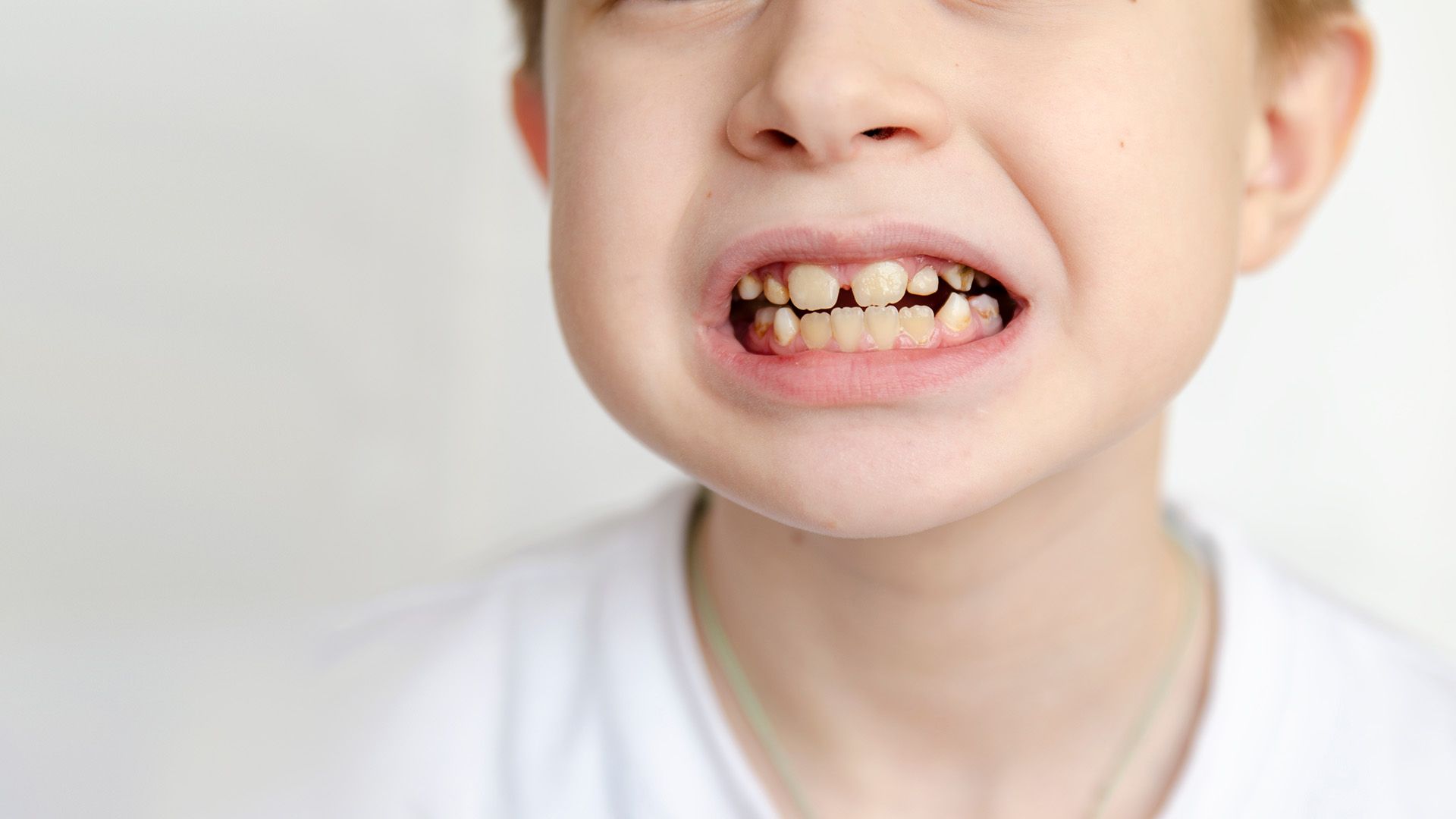
Physical changes can include mild gum soreness, slight bleeding when a tooth falls out, and temporary sensitivity. New permanent teeth may look larger, show ridged edges (mamelons), or appear slightly crooked at first, this often improves as lips, cheeks, and neighboring teeth guide them into position. Around age 6, first permanent molars erupt behind the baby molars; these don’t replace baby teeth and are essential for bite and alignment.
Kids’ emotional reactions vary. Many are excited about the Tooth Fairy, while others feel anxious about bleeding or the sensation of a loose tooth. Reassure your child that mild discomfort is normal and brief, and celebrate milestones to keep the experience positive.
Helpful tips for parents:
- Brush twice daily with a soft-bristled brush and floss once a day; clean gently around loose teeth.
- If a tooth falls out, apply light pressure with clean gauze for a few minutes if there’s bleeding.
- Offer soft foods if the area is tender, and avoid hard, sticky, or chewy snacks that can irritate gums.
- Never force a tooth to come out, let it loosen naturally.
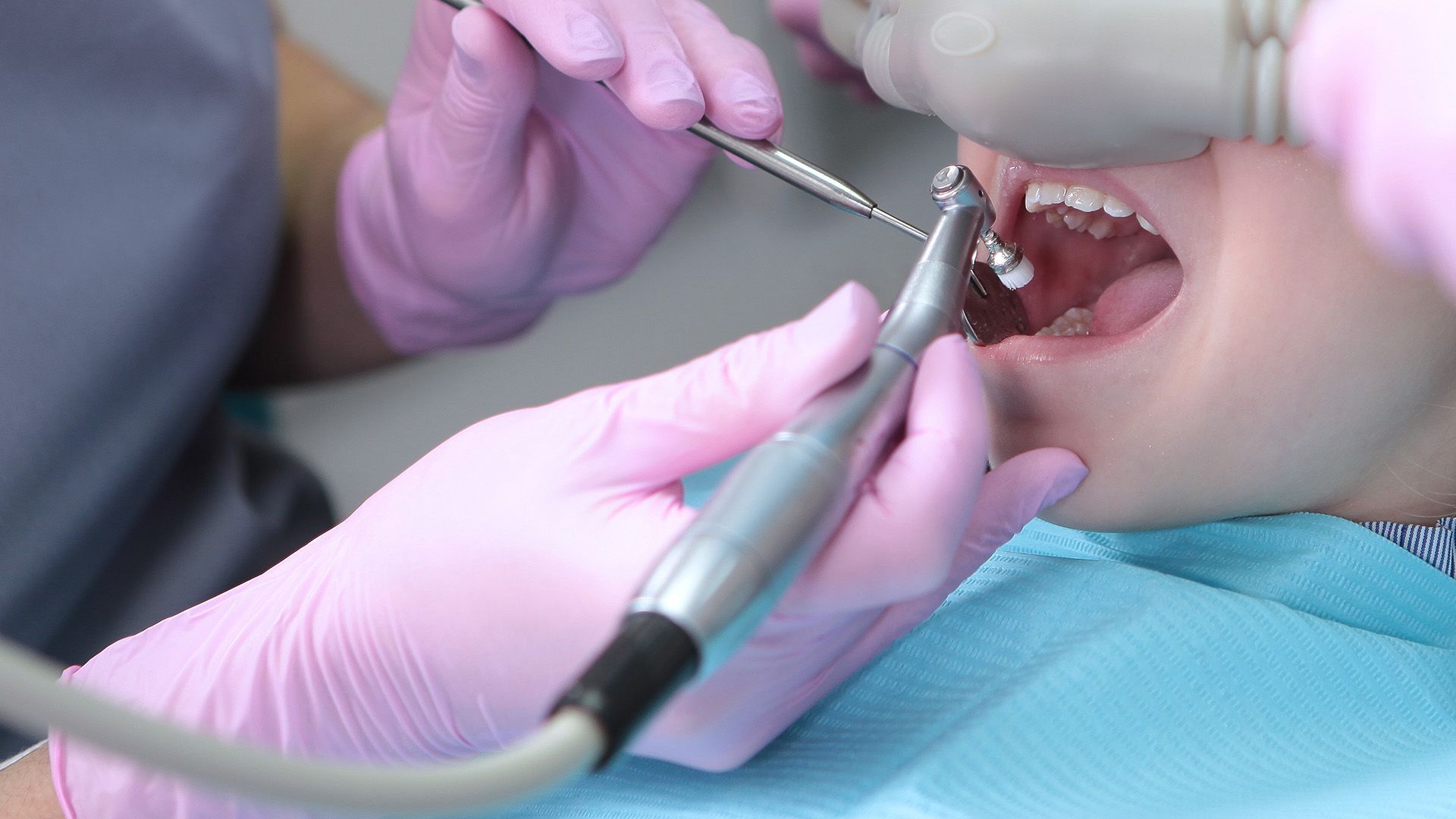
- Keep regular dental checkups to monitor eruption, spacing, and bite.
- Consider an orthodontic consultation around age 7 to catch crowding or alignment concerns early.
Call your dentist if pain is severe, a baby tooth breaks, or a permanent tooth erupts far behind a baby tooth that isn’t loosening.