Do Kids Need to Be Supervised While Brushing?
Yes. Most children benefit from active supervision when brushing their teeth. Parents and caregivers help kids learn proper technique, use the right amount of toothpaste, and reach every surface. This guidance protects growing smiles from cavities and gum problems and builds habits that support lifelong oral health. Many parents ask, do kids need to be supervised while brushing? The short answer is yes, and the guidance below explains why and how to do it effectively.
Why Supervision Matters
Young children often lack the fine motor skills and focus needed to clean thoroughly. With your coaching, they learn how long to brush, how much pressure to use, and how to cover all areas of the mouth.
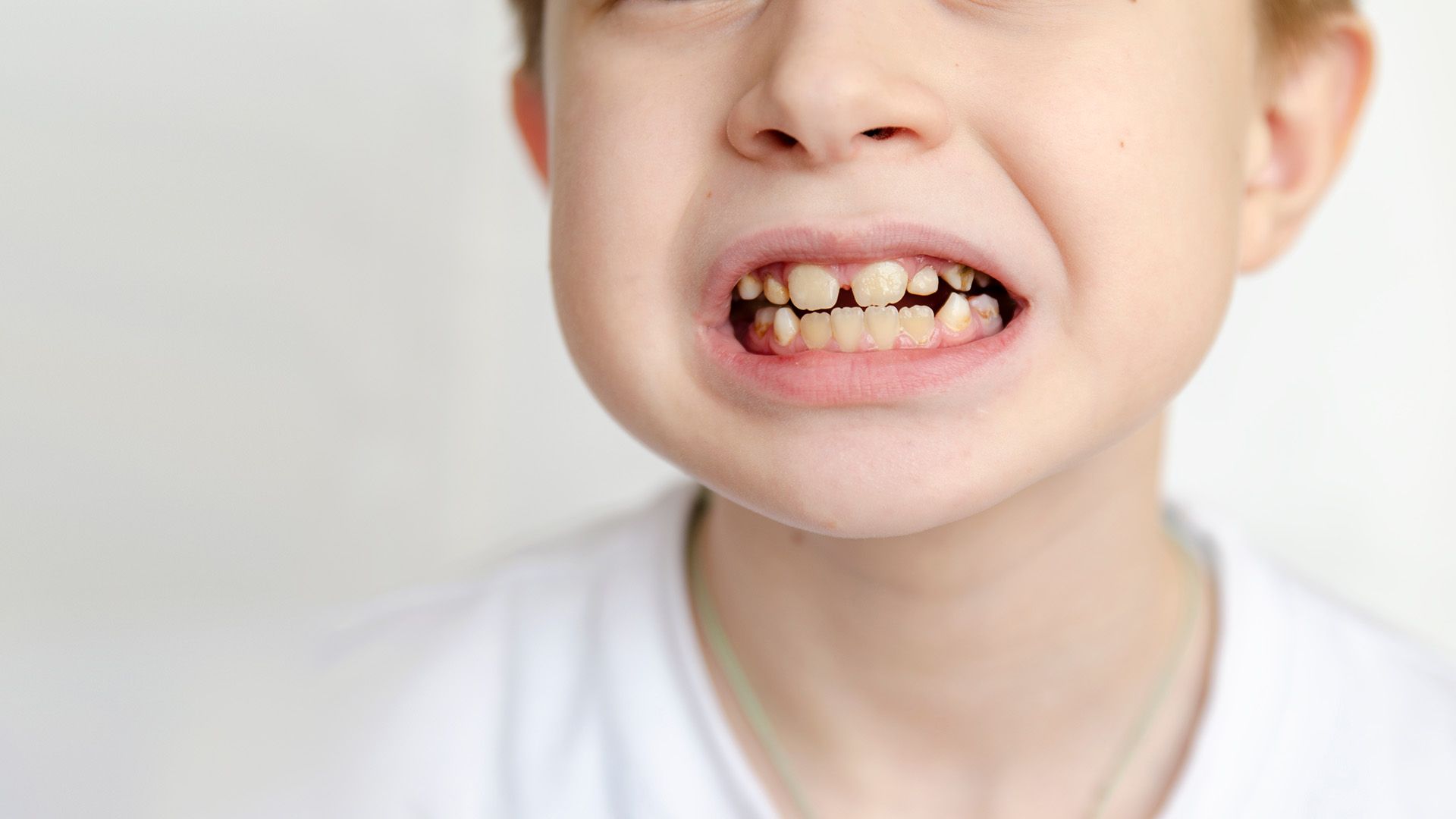
Without oversight, common mistakes include brushing for less than two minutes, skipping the back molars and along the gumline, using too much toothpaste, chewing on the brush, brushing too hard, or forgetting to floss. These errors leave plaque behind and raise the risk of decay and gum inflammation.
Supervision also ensures appropriate fluoride exposure. Use a smear of fluoride toothpaste for ages 3 and under and a pea-sized amount for ages 3 to 6. Encourage spitting out toothpaste rather than swallowing. Consistent guidance helps prevent cavities, reduces enamel wear, and can make dental visits easier by catching problems early.
When Can Kids Brush on Their Own?
Many children start needing less hands-on help around ages 6 to 8, while full independence often comes closer to ages 8 to 10. Readiness depends more on skill and consistency than age. If you’re wondering, do kids need to be supervised while brushing as they get older, consider these signs of readiness:
- They brush for a full two minutes without prompts.
- They reach all tooth surfaces: front, back, and chewing surfaces.
- They use the correct amount of toothpaste and reliably spit it out.
- They use gentle pressure without scrubbing.
- They remember to brush twice daily.
Dexterity clues help too, if your child can tie shoelaces neatly or write legibly, they likely have better control for brushing. Even after they start brushing solo, do quick spot checks several nights a week. Look for missed plaque along the gumline and on back teeth, and have them demonstrate their technique. Continue assisting with flossing until they can floss every tooth effectively, usually around ages 8 to 10. Regular dental checkups provide helpful feedback and personalized tips.
How to Supervise Brushing Effectively
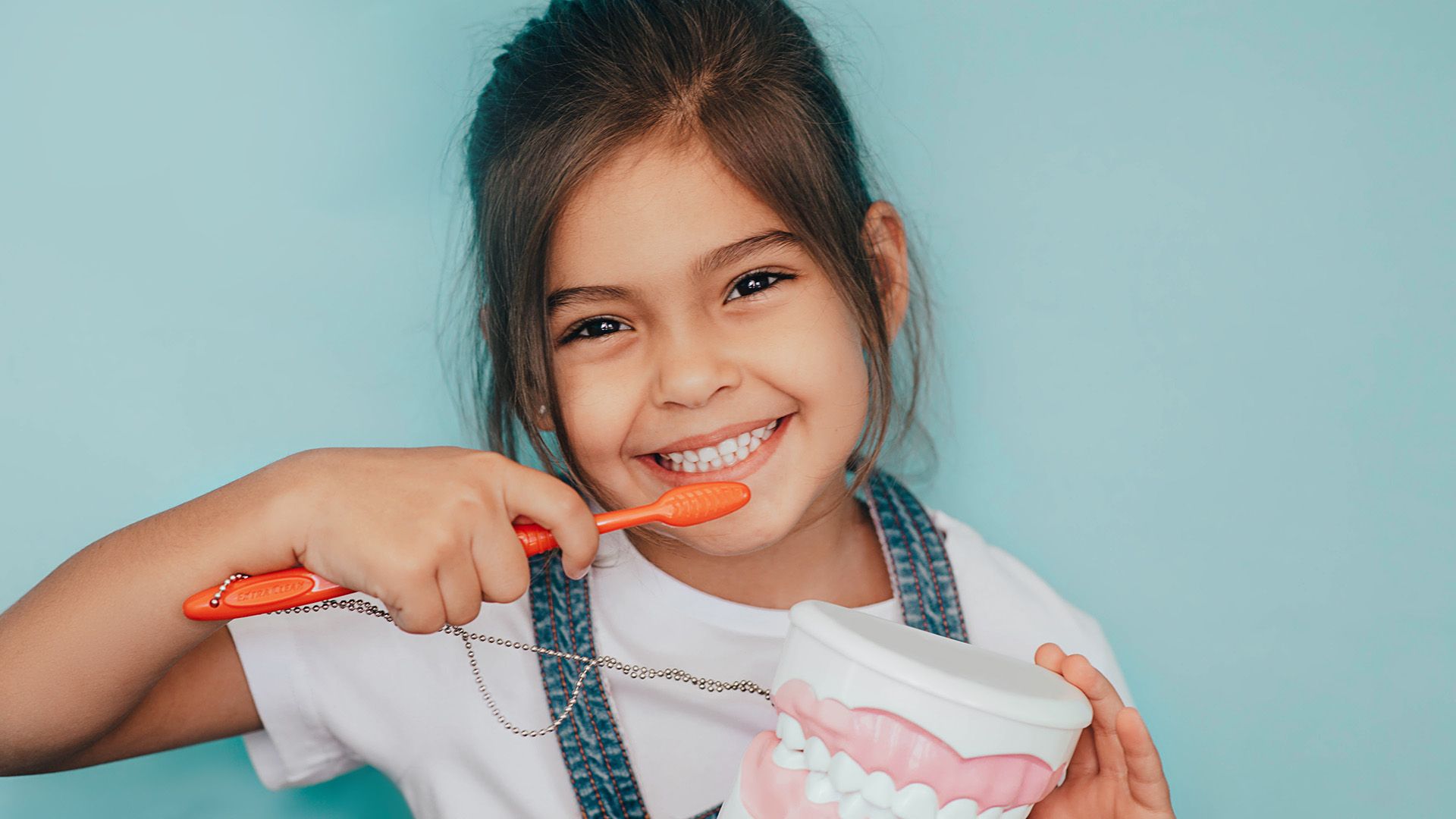
- Set a routine: Brush twice daily for two minutes. Use a timer, app, or a favorite two-minute song to keep them engaged. Guide hand placement and angle the brush about 45 degrees toward the gumline with gentle circular motions.
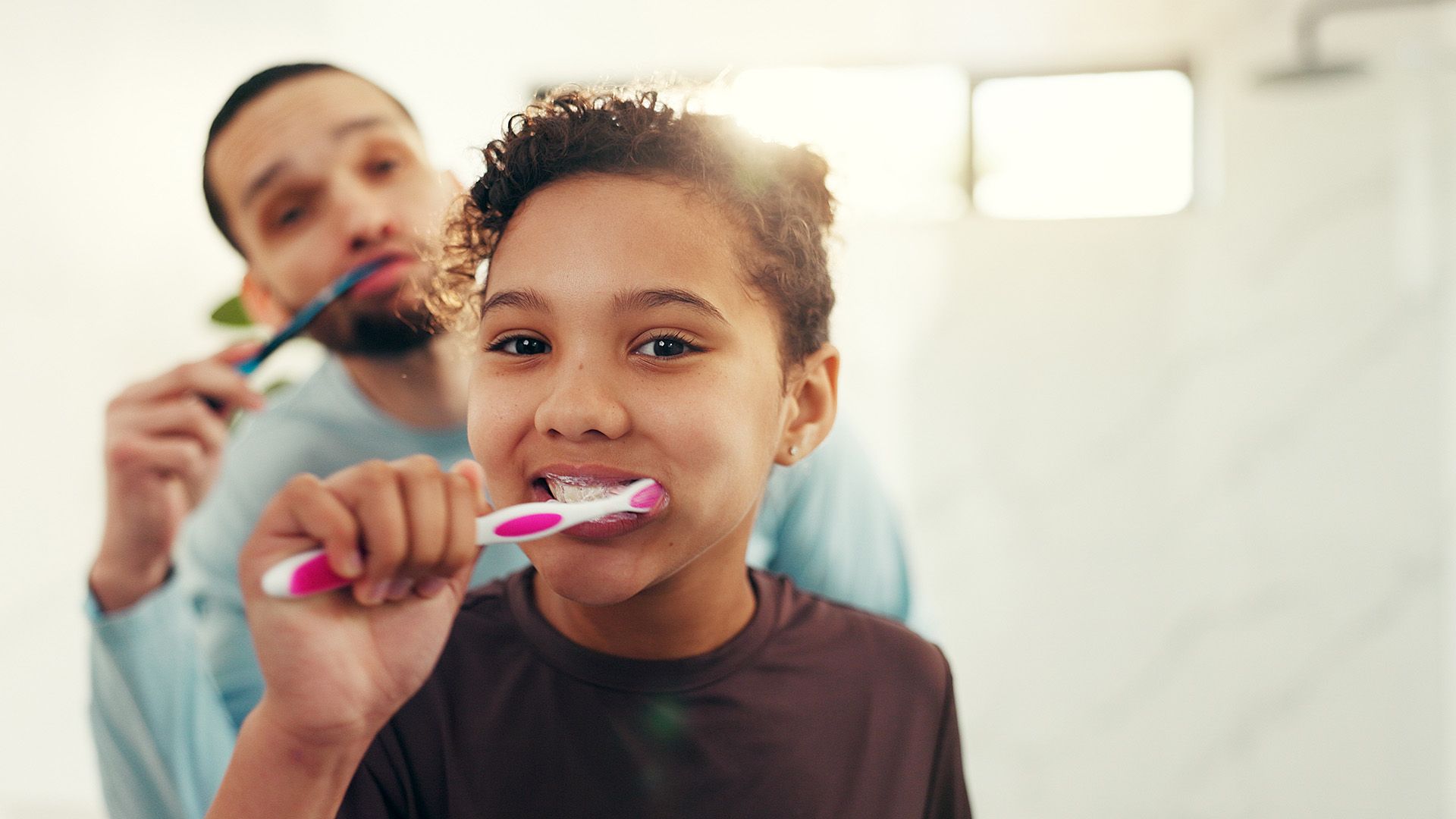
- Demonstrate and mirror: Brush together so your child can copy your movements. Start by guiding their hand, then watch and correct. Follow a sequence, outer surfaces, inner surfaces, then chewing surfaces, to avoid missed spots.
- Make it fun: Let your child choose a soft-bristled brush and a kid-friendly fluoride toothpaste flavor. Consider an electric brush with a built-in timer for older kids. Use simple rewards like sticker charts or extra story time for consistent effort.
- Encourage thoroughness: Remind them to gently brush along the gumline, reach the back molars, and clean behind the lower front teeth where plaque collects. Teach them to spit, not swallow, and avoid rinsing with water right after brushing so fluoride can keep working.
- Reinforce the full routine: Add daily flossing once teeth touch, and encourage water rinses after snacks. Schedule dental visits every six months to monitor progress and reinforce good habits.
With steady guidance and positive reinforcement, most children master safe, effective brushing that supports healthy smiles for years to come.