Brushing Techniques for Kids: A Parent’s Guide
Strong oral hygiene habits start early and help kids avoid cavities, gum problems, and discomfort later on. This parent-friendly guide covers when to begin brushing, how to brush your children's teeth, how to select kid-safe tools, and step-by-step brushing techniques for kids that make brushing effective and enjoyable. Use these practical tips to support your child’s smile at every stage, whether you’re brushing a child's teeth yourself or guiding them toward independence.
Strong oral hygiene habits start early and help kids avoid cavities, gum problems, and discomfort later on. This parent-friendly guide covers when to begin brushing, how to brush your children's teeth, how to select kid-safe tools, and step-by-step brushing techniques for kids that make brushing effective and enjoyable. Use these practical tips to support your child’s smile at every stage, whether you’re brushing a child's teeth yourself or guiding them toward independence.
Why Early Oral Care Matters
Begin oral care before the first tooth appears. Wipe your baby’s gums once a day with a clean, damp cloth to clear milk residue. As soon as a tooth erupts, usually around 6 months, switch to a soft, infant-sized toothbrush and a smear of fluoride toothpaste about the size of a grain of rice. These early steps lay the groundwork for brushing techniques for kids that will serve them well.
Early routines build lifelong habits. Brushing twice a day reduces plaque, strengthens enamel with fluoride, and helps kids see tooth care as a normal part of daily life. Children who consistently brush morning and night tend to have fewer cavities and better dental visits. Learning how to brush your children's teeth from the start makes brushing a child's teeth easier as they grow.
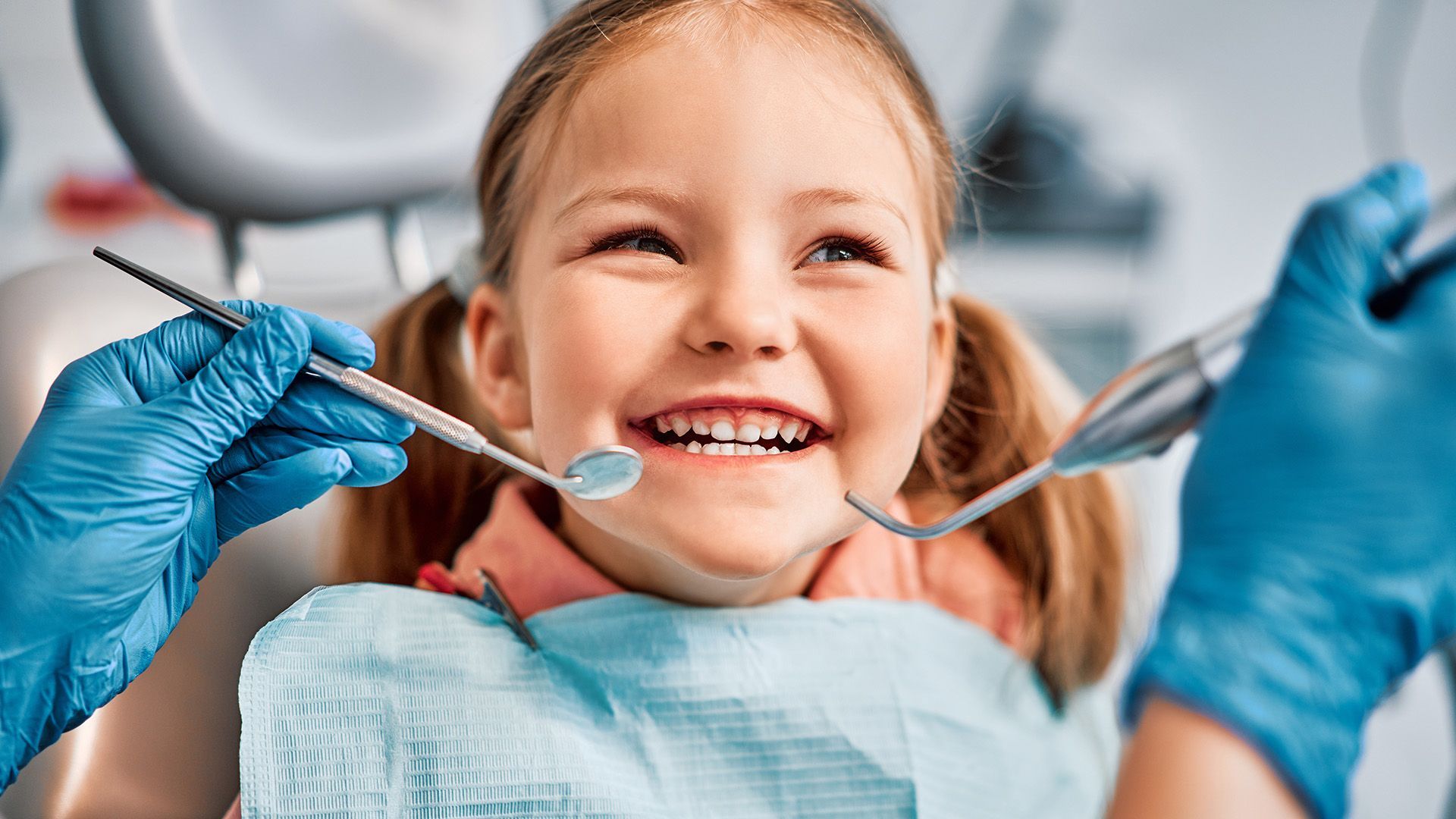
Parents play a key role in this learning. Supervise and assist until your child can brush thoroughly, typically around ages 7 to 8. Model good habits, schedule regular dental checkups (by age 1 or within six months of the first tooth), and watch for signs of plaque, sensitivity, or bleeding gums so you can address concerns early.
Choosing the Right Toothbrush and Toothpaste
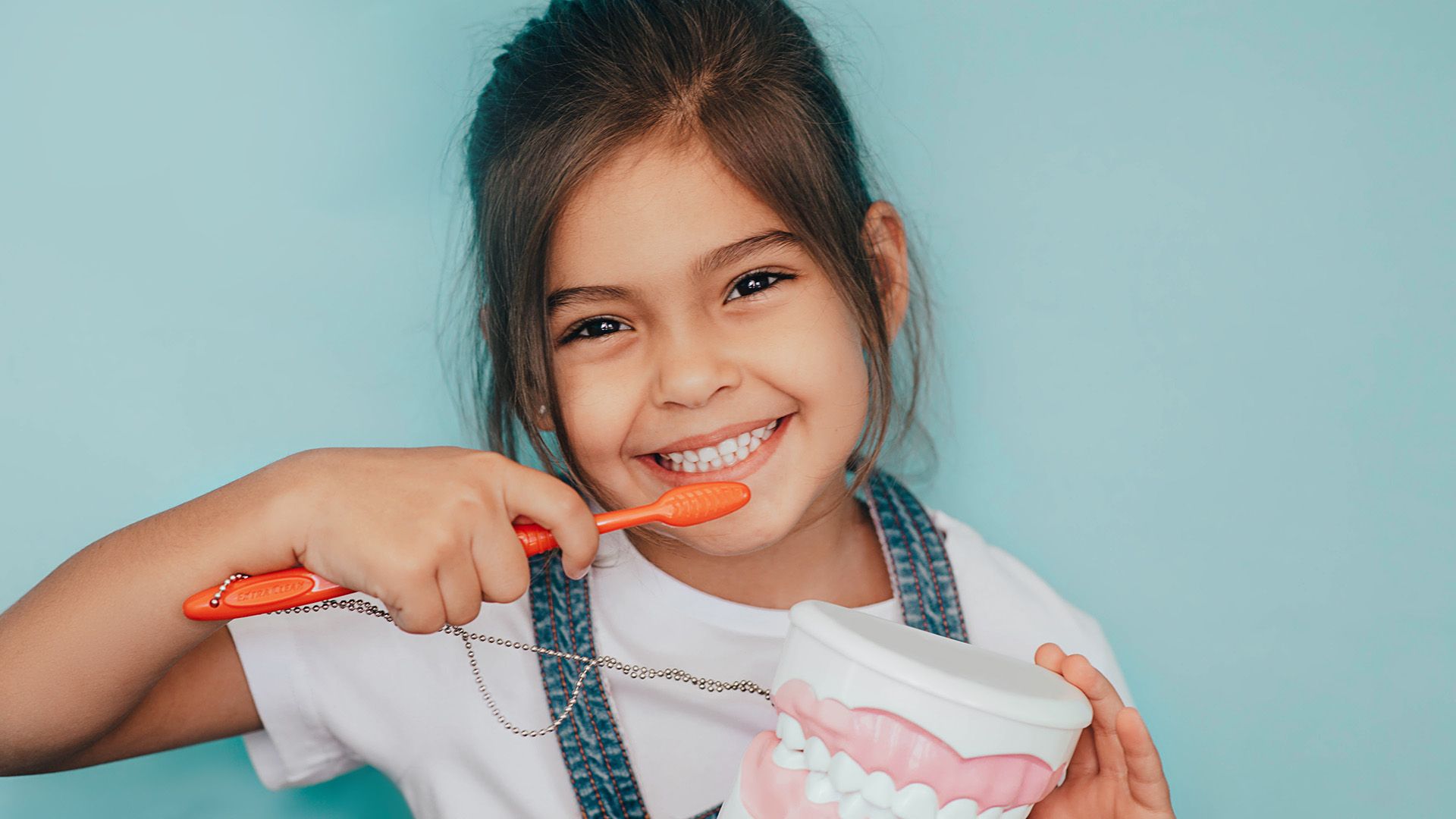
Pick a toothbrush that fits your child’s age and mouth size. Look for soft bristles, a small head, and an easy-to-hold handle. Infant and toddler brushes suit little mouths; child-sized brushes fit school-age kids. Electric brushes can be helpful for thorough cleaning, but a manual brush works well when used with proper technique. Selecting the right tool supports effective brushing techniques for kids.
Select a fluoride toothpaste with ADA approval. Use a smear (rice-sized amount) for children under 3, and a pea-sized amount from ages 3 to 6. Fluoride helps remineralize enamel and prevent cavities. Teach kids to spit out excess toothpaste and avoid rinsing with water afterward so fluoride can continue protecting teeth.
If your child has sensitive teeth or tender gums, opt for ultra-soft bristles and consider a toothpaste designed for sensitivity. Brush with light pressure and small, gentle motions. If sensitivity persists, consult your dentist to rule out enamel concerns, cavities, or gum inflammation.
Step-by-Step Brushing Techniques
- Angle the brush: Hold the toothbrush at a 45-degree angle to the gumline so bristles reach where the tooth and gums meet.
- Use gentle pressure: Maintain a light grip and let the bristles do the work to protect enamel and gums.
- Small strokes or circles: Clean two teeth at a time using short strokes or tiny circular motions rather than harsh back-and-forth scrubbing.
- Follow a sequence: Spend about two minutes total, roughly 30 seconds per quadrant, and brush twice daily, morning and bedtime.
- Cover all surfaces: Brush the outside (cheek side), inside (tongue side), and chewing surfaces, paying special attention to grooves where plaque collects.
- Focus on front teeth: Lift the lips to reach along the gumline of front teeth, where plaque often builds up.
- Don’t forget the tongue: Gently brush the tongue to reduce bacteria and freshen breath.
Parents can guide a younger child’s hand to teach the motion and gradually increase independence as skills improve. These steps are a practical foundation for brushing a child's teeth and for teaching how to brush your children's teeth effectively.
Making Toothbrushing Fun and Consistent
Turn brushing into a positive routine. Play a two-minute song, use a timer, or try a brushing app that keeps kids engaged until the job is done. Let your child choose a toothbrush color or character design to add excitement.
Encourage consistency with positive reinforcement. A simple reward chart for brushing morning and night can be motivating. Offer small, non-food rewards like stickers or extra bedtime story minutes, and praise effort as well as thoroughness. Celebrate successful dental checkups to reinforce their progress.
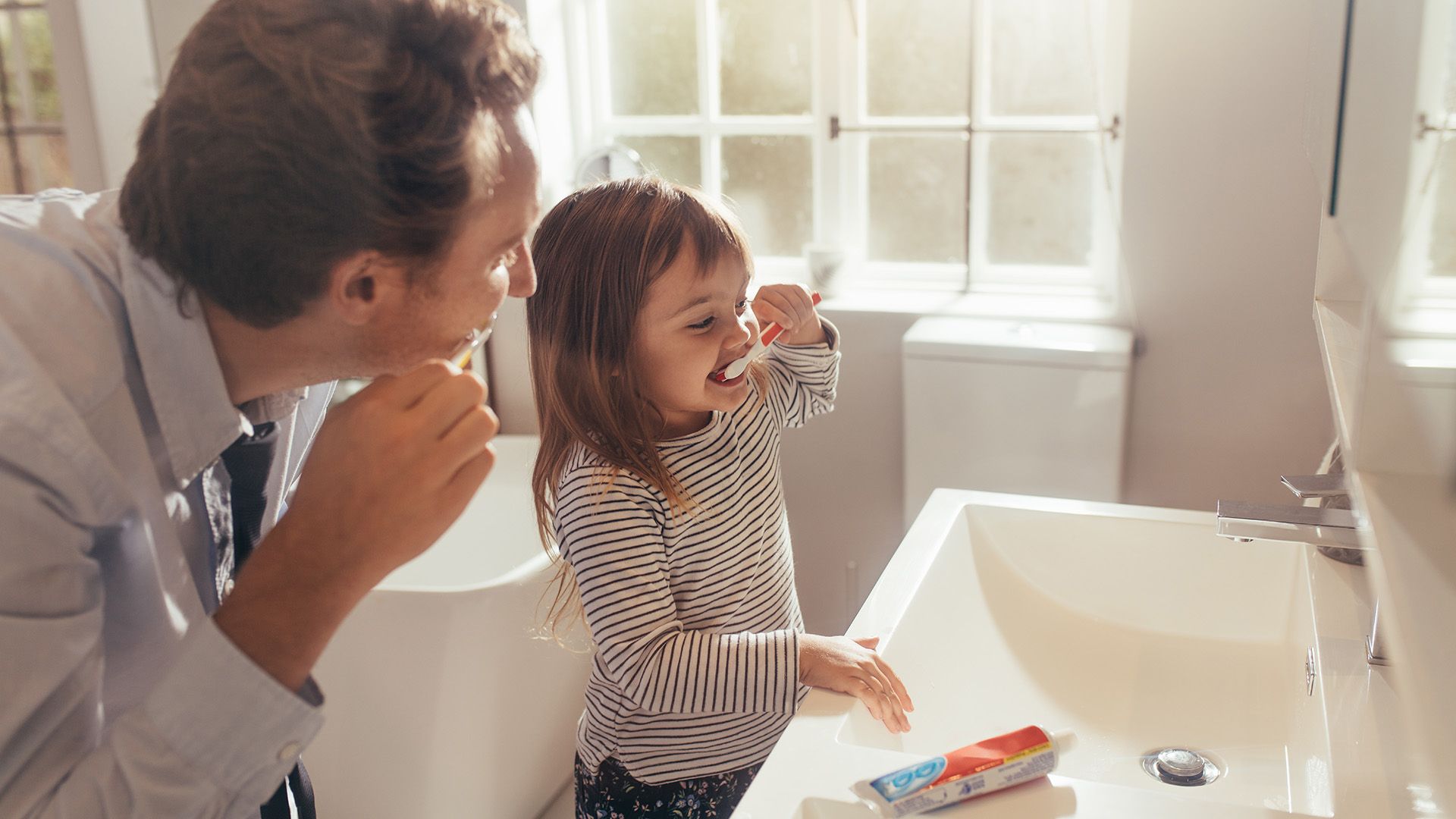
Brush as a family when possible so kids can watch and imitate your technique. Keep the routine predictable by brushing at the same time each day. If your child resists, break the task into steps, demonstrate, and stay calm and encouraging. With patience and repetition, good habits become second nature, and brushing a child's teeth becomes smoother for everyone.
Age-by-Age Guidance at a Glance
| Age | Toothbrush | Toothpaste Amount | Parent’s Role |
|---|---|---|---|
| Infants (pre-teeth) | Clean, damp cloth or silicone finger brush | None | Wipe gums daily to remove residue |
| First tooth to age 3 | Soft, infant/toddler brush | Smear (rice-sized) | Brush for the child; schedule first dental visit |
| Ages 3–6 | Child-sized soft brush (manual or electric) | Pea-sized | Supervise closely; guide technique |
| Ages 7–8+ | Child-sized soft brush or small-headed electric | Pea-sized | Monitor for thoroughness; encourage independence |
Use age-appropriate tools and consistent brushing techniques for kids to make daily care easier and more effective.
When to Call the Dentist
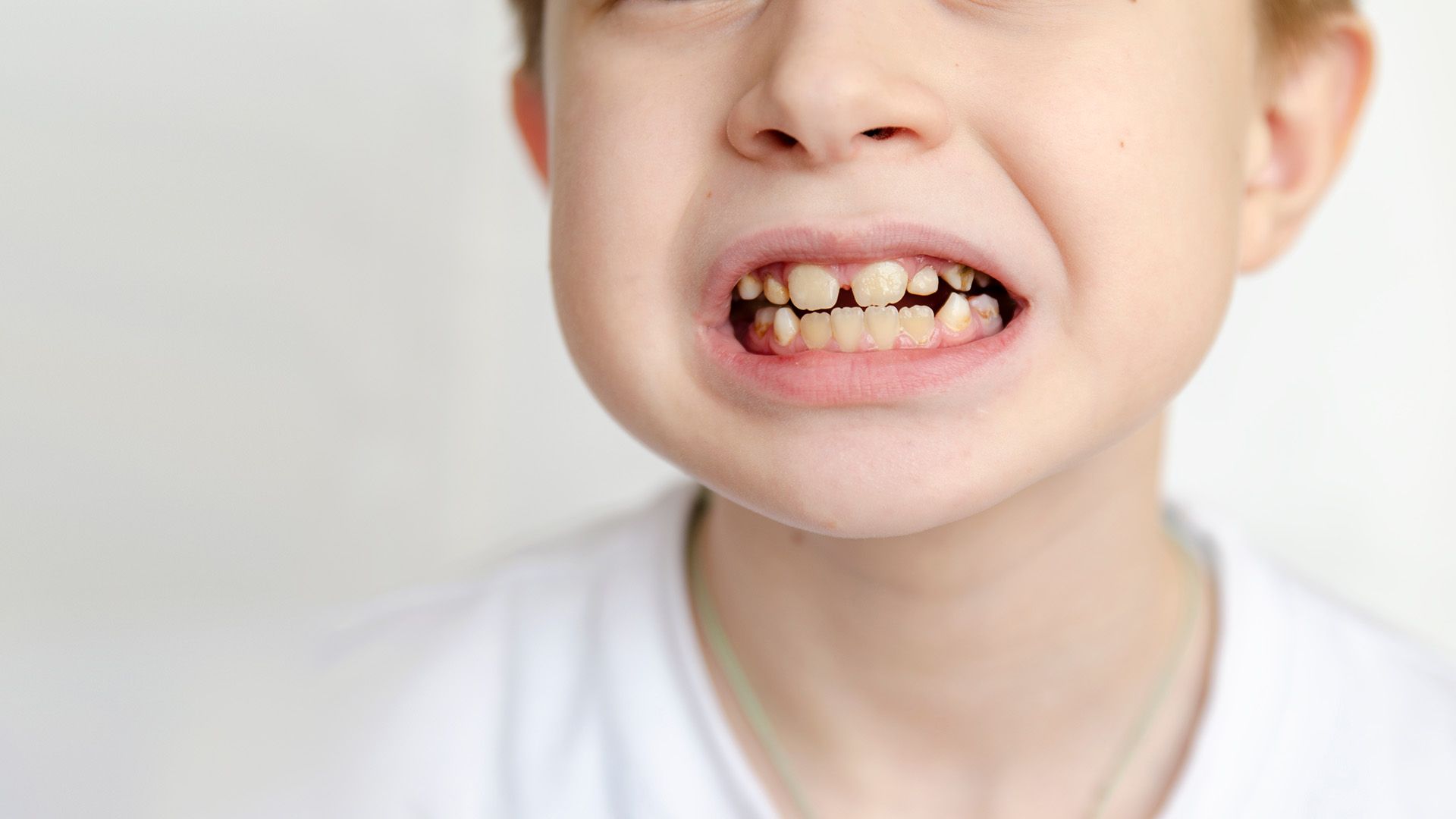
- White or brown spots on teeth, persistent sensitivity, or pain
- Bleeding gums that don’t improve with gentle brushing
- Bad breath that doesn’t go away after brushing and tongue cleaning
- Questions about fluoride, brushing technique, or tool selection
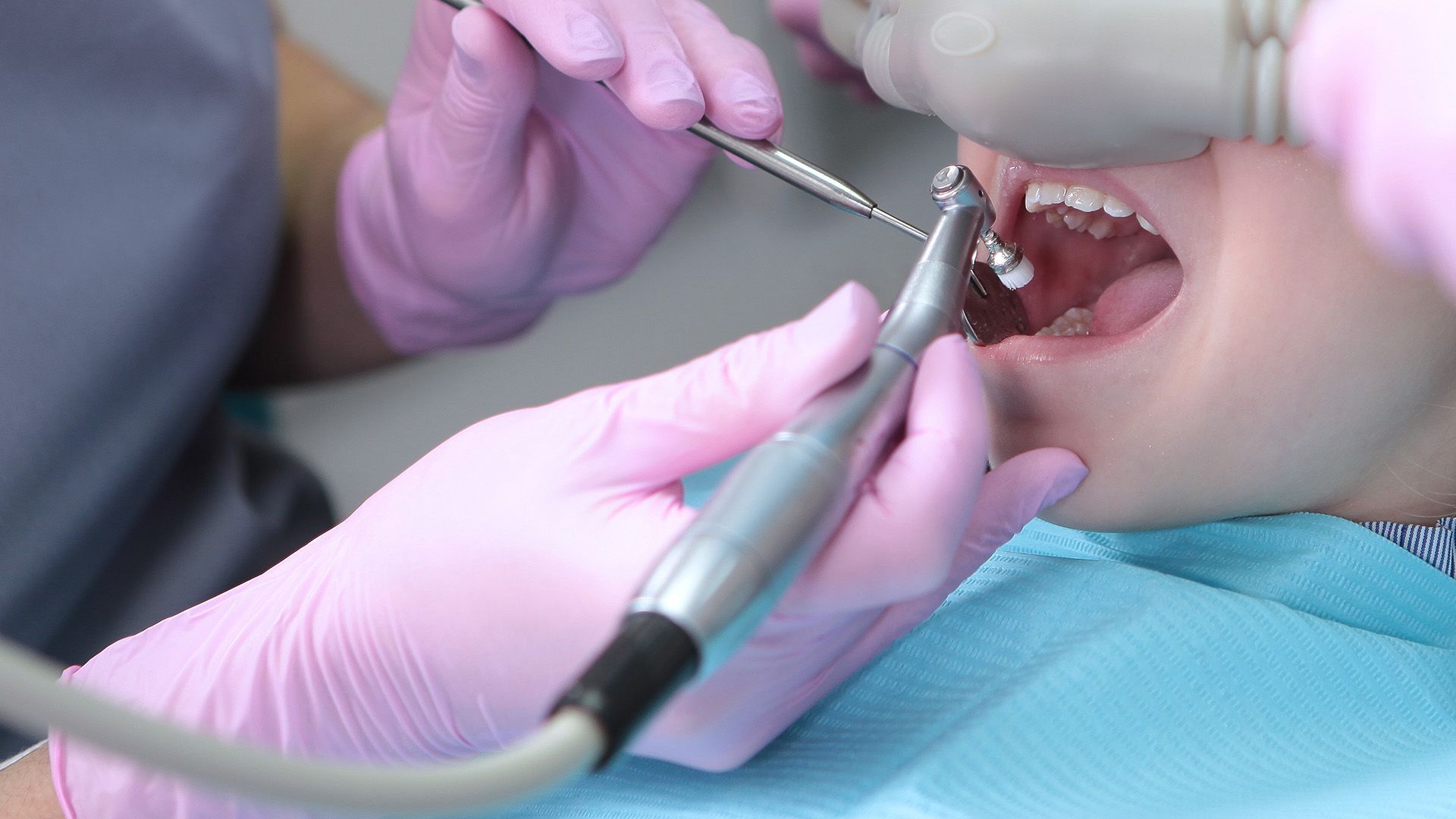
Regular dental visits allow your care team to track development, spot issues early, and tailor guidance to your child’s needs. If you’re unsure how to brush your children's teeth or want help refining brushing techniques for kids, seek professional advice.
The Takeaway
Start early, use the right tools, and keep brushing gently, thoroughly, and consistently. With a two-minute, twice-daily routine and supportive coaching, kids build skills and confidence that protect their smiles for years to come. Whether you’re brushing a child's teeth or teaching them to do it on their own, clear instruction on how to brush your children's teeth makes all the difference. For personalized advice, your dental team is ready to help.