How Juice Affects Kids' Teeth
Fruit juice can fit into a balanced diet, but frequent or prolonged sipping can harm kids’ teeth. The natural sugars and acids in juice feed cavity-causing bacteria and soften enamel, the protective outer layer of teeth. Understanding how sugar and acidity work, and making smarter beverage choices, helps parents protect their child’s smile while still offering nutritious options. Using diluted fruit juice instead of full-strength servings can lower sugar and acid exposure for kids’ teeth while still offering flavor.

Understanding the Impact of Sugar
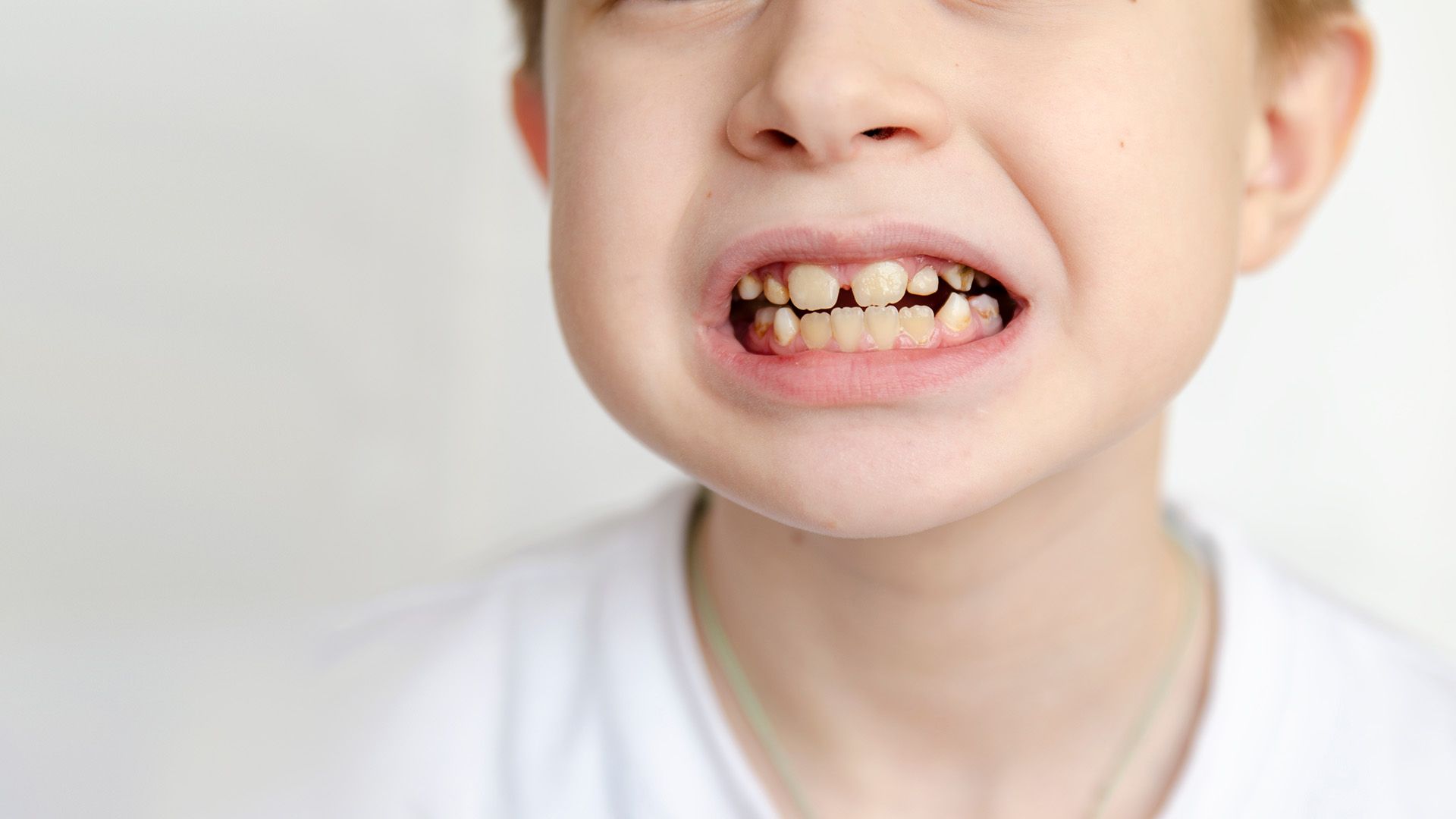
Sugar drives tooth decay by fueling oral bacteria that produce acids. When children drink juice, these acids mix with saliva and form plaque, which attacks enamel. The longer teeth are exposed, especially if juice is sipped over time, the greater the risk of cavities. This prolonged exposure is particularly problematic for kids’ teeth, which benefit from shorter contact times and thorough rinsing.
Juice contains natural sugars, and many juice drinks add sugar during processing to boost sweetness. Both natural and added sugars can contribute to decay. Products with added sugar often deliver higher total sugar and may leave stickier residues that cling to teeth, increasing exposure. Choosing diluted fruit juice can help reduce total sugar per serving, lowering the impact on kids’ teeth while maintaining taste.
Sugar levels vary widely among juices. An 8-ounce serving of 100% apple juice typically has about 24–26 grams of sugar; orange juice about 20–22 grams; grape juice can exceed 30 grams. Sweetened juice drinks or fruit punch can match or surpass these amounts. Portion size matters: large bottles can quickly exceed daily sugar recommendations for children. Choosing smaller servings and limiting frequency helps reduce the impact on teeth. Serving diluted fruit juice in smaller portions can further cut sugar exposure without eliminating juice entirely.
The Role of Acids in Fruit Juice
Fruit acids, such as citric and malic acid, can erode enamel by softening its mineral structure. Softer enamel is easier to wear down and more prone to decay. Kids’ enamel is thinner than adults’, making frequent acidic exposure more damaging. For kids’ teeth, reducing acidity through strategies like diluted fruit juice and following juice with water can make a noticeable difference.
Acidity is measured by pH, with lower numbers indicating stronger acidity. Many common juices fall into an erosive range: orange juice around pH 3.5, apple juice about 3.5–4.0, grape juice near 3.0–3.5, and cranberry juice around 2.3–2.5. Regular contact with beverages at these levels can contribute to enamel erosion over time.
Compared with other drinks, many juices are more acidic than milk (near neutral pH ~6.5–6.8) and similar to or less acidic than certain sodas and sports drinks. Carbonated soft drinks and energy drinks can reach pH 2.5–3.0, making them especially erosive. While juice may seem healthier than soda, its combination of acidity and sugar still poses a significant dental risk when consumed frequently or sipped slowly. Using diluted fruit juice and limiting how often children drink juice are practical steps to protect kids’ teeth.
Healthier Beverage Alternatives for Kids
To protect teeth, prioritize tooth-friendly drinks and smart serving habits. Serve water most often, it helps rinse food particles, supports saliva flow, and contains no sugar or acid. Plain milk offers calcium and phosphorus to strengthen enamel and is closer to neutral pH, making it gentle on teeth.
- Flavor water with a small splash of 100% fruit juice or opt for diluted fruit juice instead of serving full portions of juice.
- Choose sparkling water without added sugars or acidic additives.
- Offer milk at meals rather than sweetened beverages.
- If serving juice, select 100% fruit juice, limit to about 4 ounces daily for younger children and up to 8 ounces for older kids, and serve it with meals rather than between meals.
- Encourage drinking juice in one sitting instead of prolonged sipping, and follow with water to rinse the mouth.
For better nutrition with less dental risk, lean on whole fruits. Whole fruits provide fiber, vitamins, and a slower sugar release compared to juice. Offer sliced apples, berries, or orange segments, and pair them with cheese or yogurt to help neutralize acids. When juice is desired, choosing diluted fruit juice can provide flavor with reduced sugar and acidity, supporting healthier habits for kids’ teeth.
Daily habits matter: brush with
fluoride toothpaste twice a day, floss once a day, and keep up with routine dental visits. With mindful choices and consistent oral care, families can enjoy the benefits of fruit while keeping kids’ teeth strong and healthy. Thoughtful use of juice, including serving diluted fruit juice and limiting frequency, helps balance nutrition with dental health.