Why Baby Teeth Matter: The Hidden Dangers of Leaving Cavities Untreated
A common misconception persists in many Florida households today that primary teeth, frequently called baby teeth, are essentially disposable. Since these twenty teeth are destined to fall out anyway, some parents believe that a small cavity is not a cause for major concern. This logic suggests the problem will resolve itself once the permanent tooth emerges. However, pediatric dental experts at Baptiste Dentistry for Kids warn that this line of thinking is not only incorrect but also potentially dangerous for a child’s long-term health and development.

Baby teeth serve as the foundational architecture for a lifetime of oral health. They are sophisticated biological tools that facilitate proper nutrition, speech development, and the correct alignment of the adult smile. When decay is left to fester in these primary structures, it triggers a domino effect of complications that extend far beyond the mouth.
The Biological Role of Primary Teeth as Space Maintainers
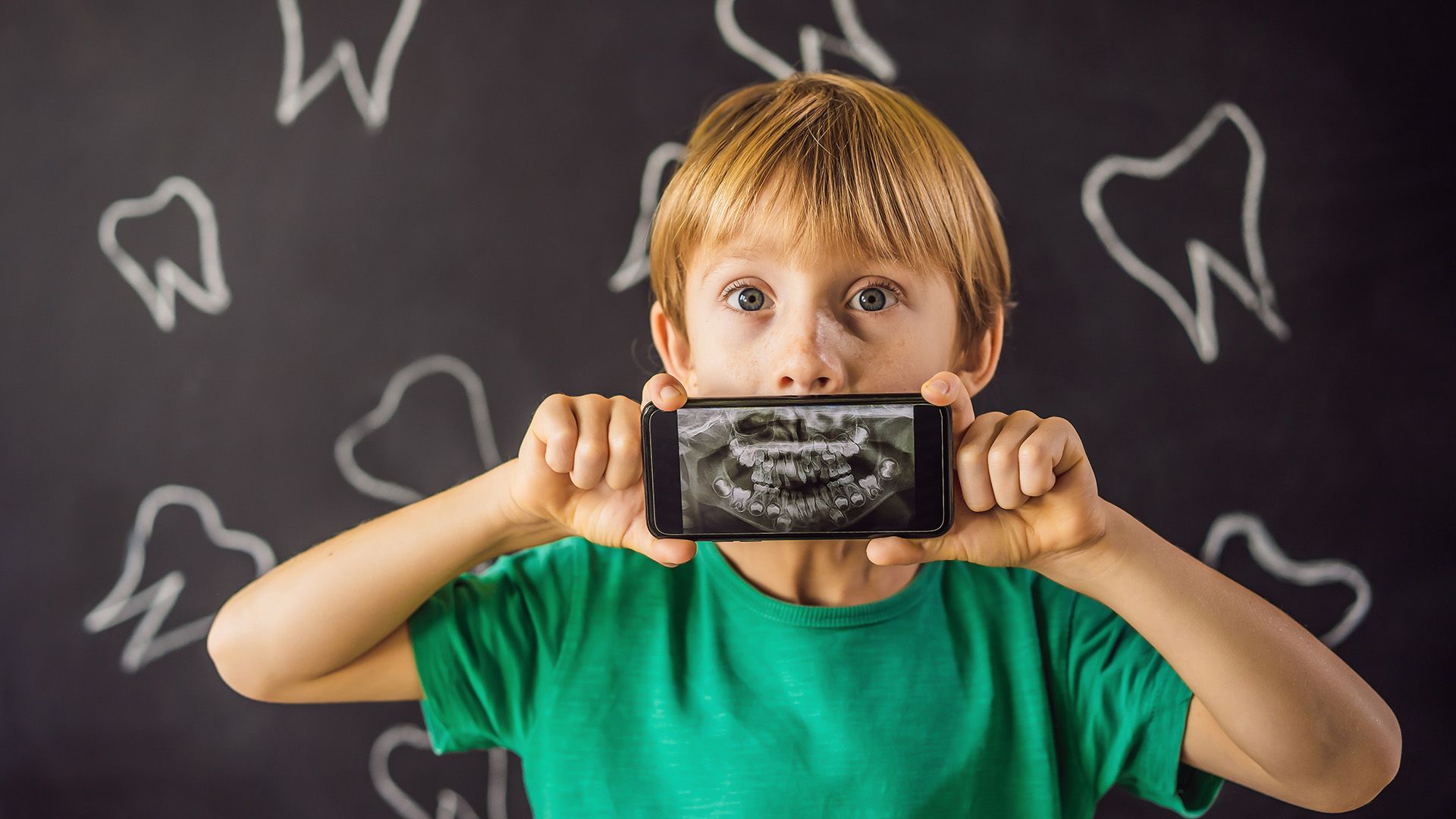
The most critical role of a primary tooth is its function as a natural space maintainer. These teeth hold the exact position needed for permanent teeth that are currently developing deep within the jawbone. When a baby tooth is lost prematurely due to a severe cavity, the surrounding teeth tend to tilt or drift into the empty space.
This migration creates a crowded environment for adult teeth. When the permanent tooth is finally ready to erupt, it may find its path blocked or diverted, leading to impaction or significant misalignment. This often results in the need for expensive orthodontic intervention or braces later in life. By treating a cavity early and preserving the baby tooth, you are protecting the path for the future smile.
The Escalation of Infection: From Cavity to Abscess
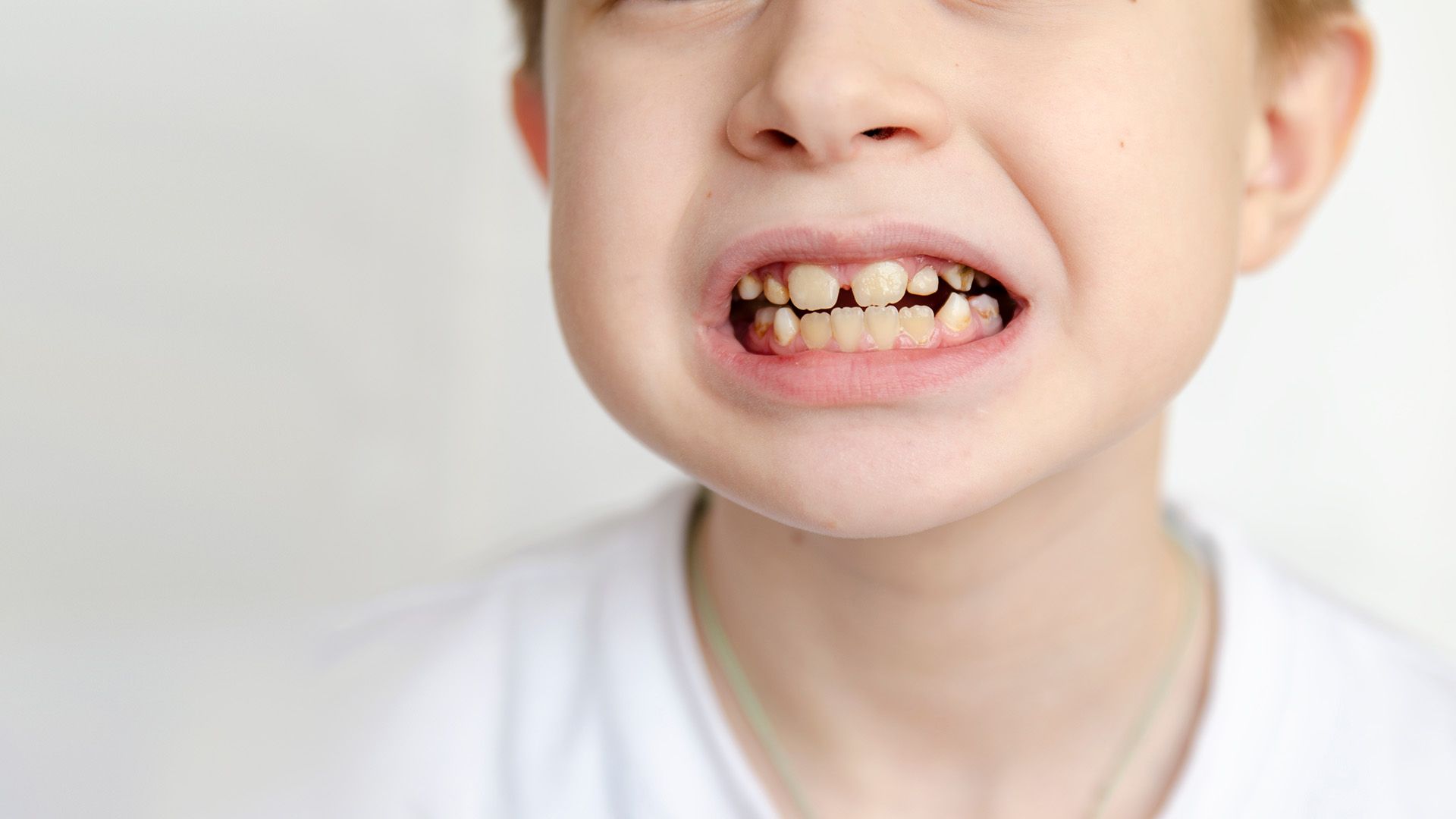
It is a mistake to think that a cavity in a baby tooth stays localized. Children’s teeth have thinner enamel and larger pulp chambers compared to adult teeth. This means that decay can travel through the hard layers of the tooth much faster, reaching the sensitive nerve and blood supply in a remarkably short amount of time.
Once bacteria reach the pulp, the child may experience intense pain, but the danger goes deeper. An untreated infection can develop into a dental abscess, which is a pocket of pus at the root of the tooth. This infection can spread to the gums, the jawbone, and even other parts of the body. In rare cases, dental infections in children have spread to the sinuses, leading to life-threatening complications.
Furthermore, the permanent tooth developing underneath the infected baby tooth is not safe. The acidity and bacteria from a primary tooth abscess can damage the crown of the developing adult tooth, causing it to emerge with weakened enamel or structural deformities. According to the American Academy of Pediatric Dentistry, early intervention is key to preventing these developmental setbacks.
Impact on Speech Development and Nutrition
We often take for granted how much our teeth contribute to the way we speak. Primary teeth are essential for the proper placement of the tongue and the airflow required to create specific sounds like l, t, and sh. If a child loses their front teeth early due to decay, or if they are in too much pain to use them correctly, they may develop persistent speech impediments or lisps.
Nutrition is another major factor. A child with untreated cavities often finds eating to be a painful chore. They may begin to avoid crunchy vegetables or cold fruits, gravitating instead toward soft, processed foods that are high in carbohydrates and easier to chew. This shift in diet can lead to nutritional deficiencies during critical growth years. In some cases, children with severe dental decay are even diagnosed with failure to thrive because their caloric intake drops significantly due to oral discomfort.
The Psychological Toll and School Performance
The impact of oral health on a child’s self-esteem is profound. Even at a young age, children can become self-conscious about dark spots or missing teeth. A child who is embarrassed by their smile may avoid laughing or speaking in social situations, which can hinder their social development and confidence.
Additionally, dental pain is one of the leading causes of school absenteeism. Chronic toothaches make it nearly impossible for a child to concentrate on lessons or participate in classroom activities. Data from the Centers for Disease Control and Prevention suggests that children with poor oral health tend to have lower grades and miss more school days than those with healthy smiles. The distraction of constant, throbbing pain is a barrier to learning that no child should have to navigate.
The Financial Benefits of Early Treatment
From a practical standpoint, treating a small cavity is significantly more affordable than dealing with the aftermath of neglect. A simple filling is a routine and relatively inexpensive procedure. Conversely, if that cavity is ignored, the tooth may eventually require a pulpotomy (a pediatric root canal), a stainless steel crown, or a full extraction followed by the placement of a space maintainer.
The costs of emergency room visits for dental pain are also staggering. Many parents find themselves in the ER in the middle of the night because an untreated cavity has turned into an unbearable abscess. Emergency rooms generally only provide temporary relief, meaning parents still have to pay for a follow-up visit with a pediatric dentist to solve the root problem.
Pediatric Dental Care: Prevention as the Ultimate Cure
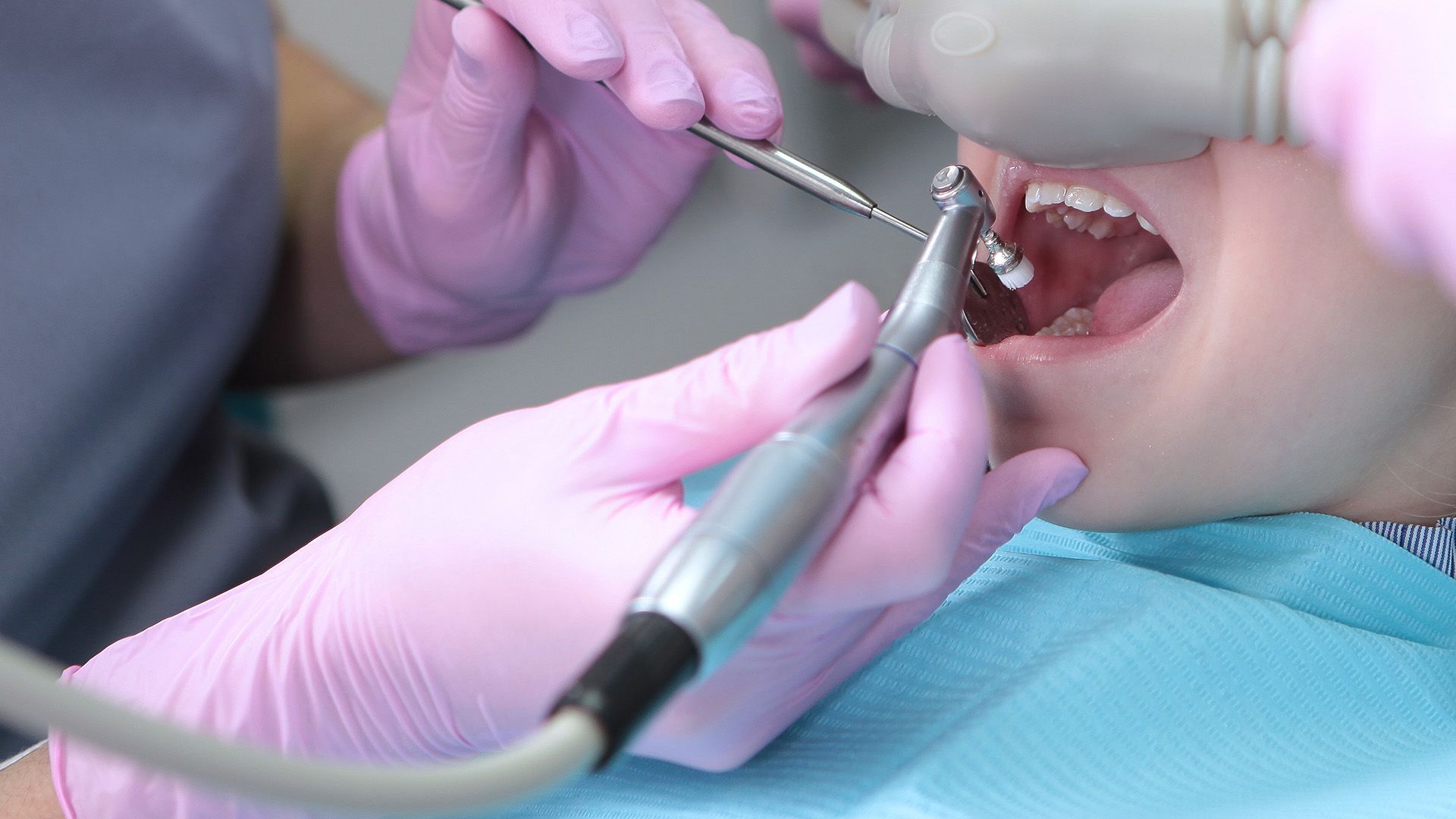
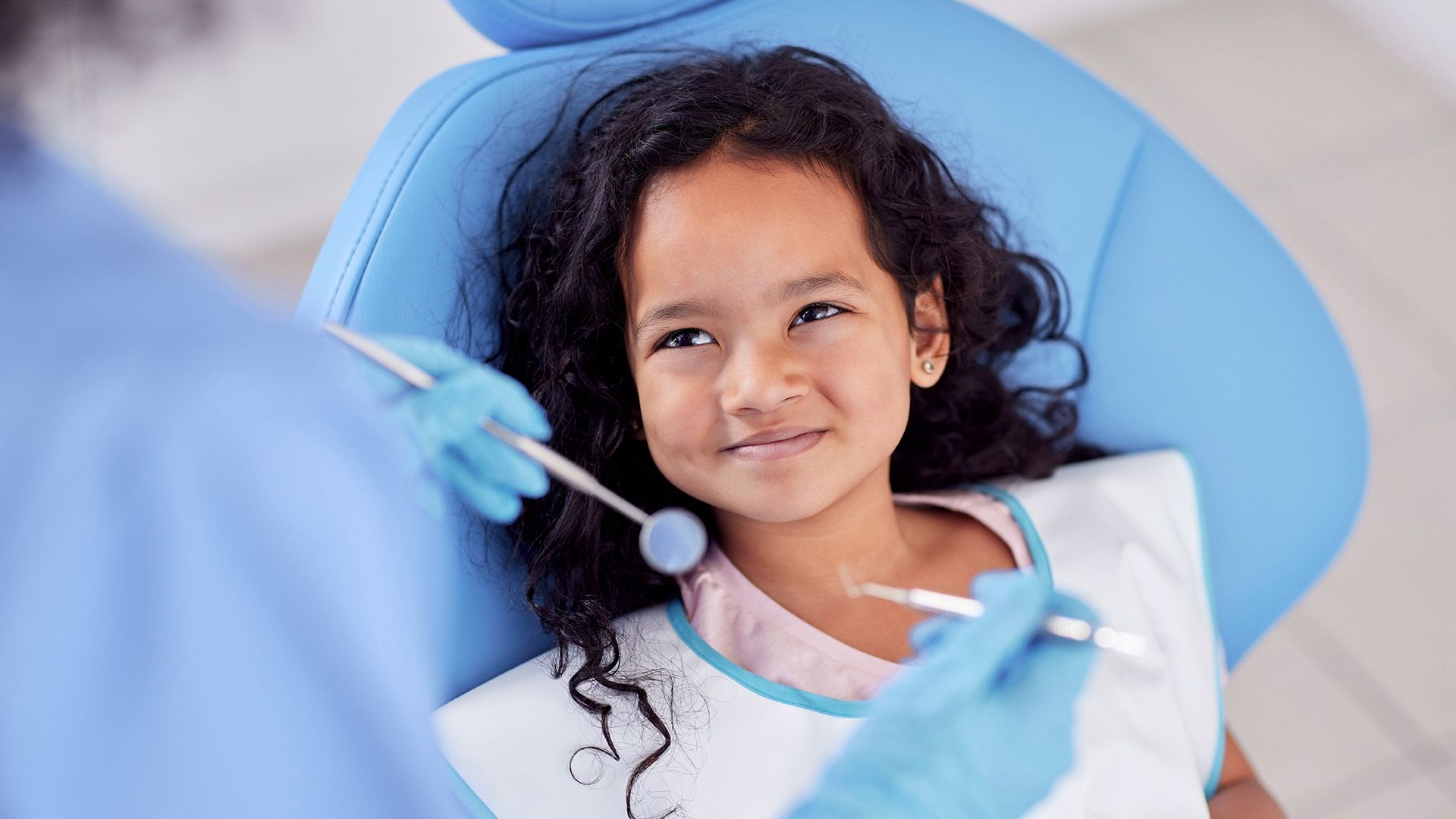
The good news is that dental decay is almost entirely preventable. Pediatric dentists recommend that every child have their first dental visit by their first birthday. These early visits allow dentists to monitor development and catch tiny spots of decay before they become painful holes.
Caregivers can take several steps at home to ensure baby teeth remain healthy:
- Establish a brushing routine twice a day using a smear of fluoride toothpaste as soon as the first tooth erupts.
- Limit sugary snacks and drinks, especially those that are sticky and can get trapped in the grooves of the molars.
- Avoid putting infants to bed with a bottle of milk or juice to prevent baby bottle tooth decay.
- Encourage the use of a regular cup by the first birthday to reduce sugar contact with teeth.
Conclusion: Why Every Baby Tooth Counts
Baby teeth are the foundation of a child’s health and future well-being. They are vital for eating, speaking, and protecting the child from systemic infections. Leaving a cavity untreated is an unnecessary gamble with a child’s health. By prioritizing the care of primary teeth, parents in Apopka and Orlando can ensure their children grow up without the burden of dental pain or the complications of preventable infections.
A healthy smile in childhood is a gift that lasts a lifetime. Treat every baby tooth with the same respect as a permanent one, because for the first decade of a child’s life, those teeth are the only ones they have to navigate the world.