How Dental Sealants Work and Their Benefits
Dental sealants offer a simple, effective way to shield teeth from cavities, especially on the chewing surfaces of molars and premolars. By adding a thin protective layer over the natural grooves of these teeth, sealants keep food and bacteria out of hard-to-clean areas where decay often begins. This guide covers what sealants are, how dental sealants work, who benefits most, and how they fit into preventive dental care.
Dental sealants offer a simple, effective way to shield teeth from cavities, especially on the chewing surfaces of molars and premolars. By adding a thin protective layer over the natural grooves of these teeth, sealants keep food and bacteria out of hard-to-clean areas where decay often begins. This guide covers what sealants are, how dental sealants work, who benefits most, and how they fit into preventive dental care.
What Are Dental Sealants?
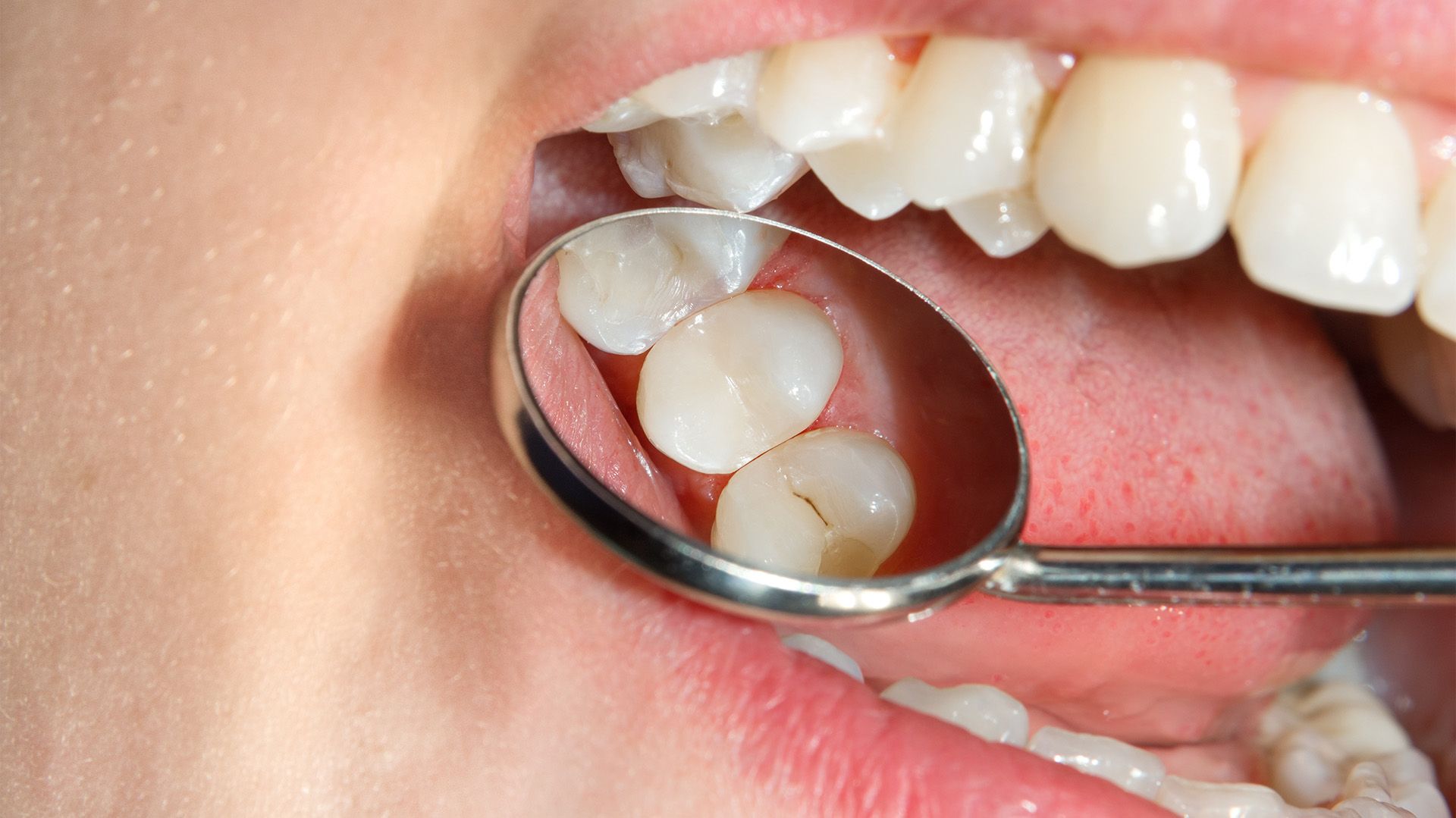
Dental sealants are clear or tooth-colored coatings placed on the biting surfaces of back teeth to prevent decay. They form a physical barrier over the deep pits and fissures that can trap plaque and debris. Unlike fillings, which repair damage after it occurs, sealants are preventive and aim to stop cavities before they start. Understanding how dental sealants work helps explain why they are recommended for cavity-prone surfaces.
Most dental sealants are made from resin-based materials or glass ionomer cements. Resin-based sealants bond tightly to enamel and are known for durability. Glass ionomer sealants release fluoride over time, which may help reinforce the tooth structure. Your dentist will recommend a material based on age, cavity risk, and oral health needs.
Sealants differ from other treatments in purpose and invasiveness. They are noninvasive and do not require drilling or removing tooth structure. Fillings and crowns restore teeth that already have decay or damage. Fluoride treatments strengthen enamel across all tooth surfaces, while sealants focus on protecting the grooves of the back teeth where many childhood cavities begin.
How Do Dental Sealants Work?
Dental sealants prevent cavities by sealing off the narrow crevices on chewing surfaces, blocking bacteria, acids, and food particles from settling in. Once the grooves are covered, the surface is smoother and easier to clean with a toothbrush, reducing the risk of decay in those hard-to-reach spots. For families comparing options, learning how dental sealants work can clarify why they are recommended soon after molars erupt.
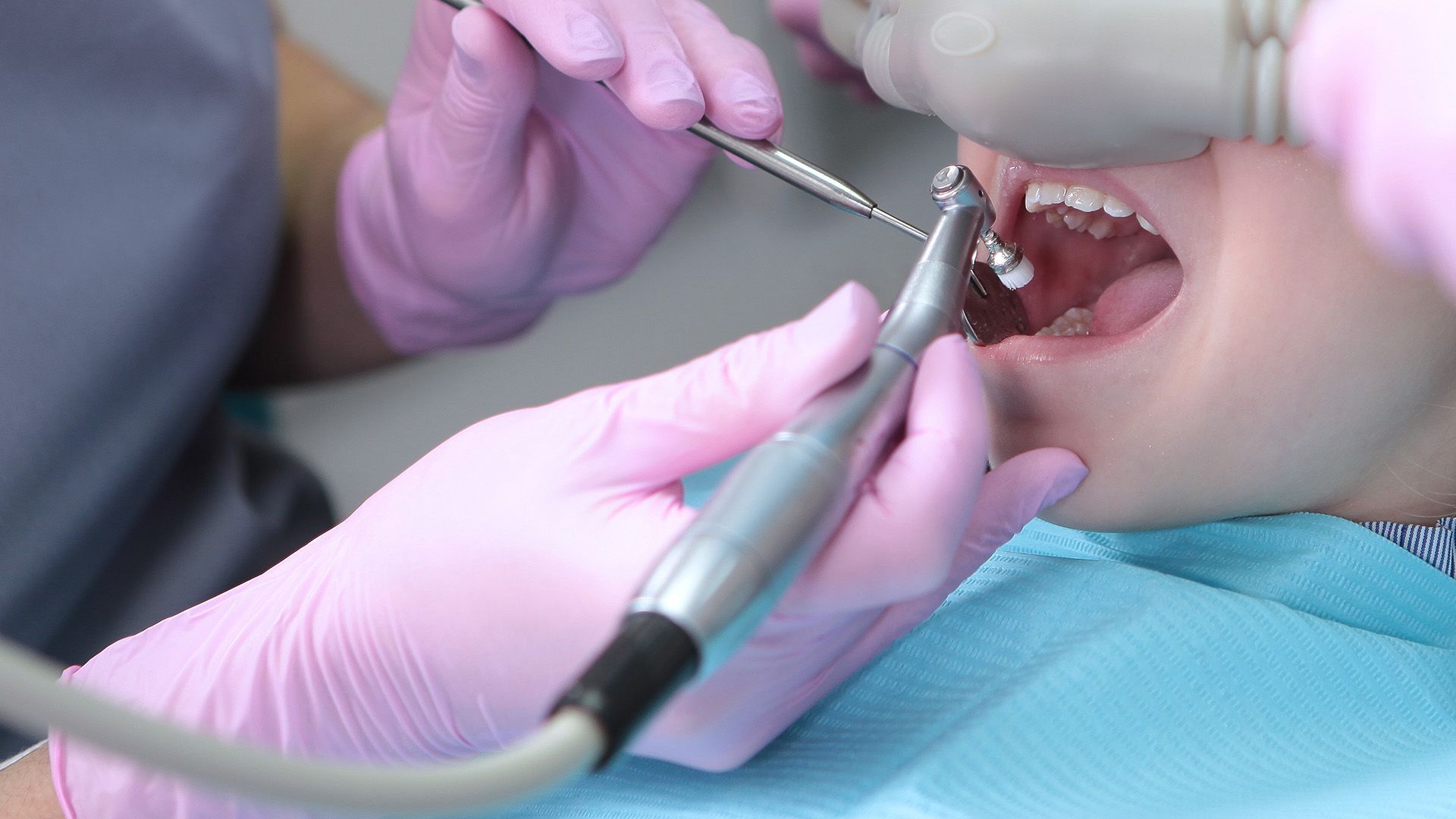
The application is quick and painless, usually taking only a few minutes per tooth:
- The tooth is cleaned to remove plaque and debris.
- A gentle etching gel is applied to microscopically roughen the enamel for better bonding.
- The tooth is rinsed and dried thoroughly.
- The liquid sealant is brushed onto the chewing surface.
- A curing light is used to harden the sealant.
There are no injections or drilling, and patients can eat and drink right after the procedure. Dental sealants can last several years, often 3 to 10, depending on biting forces, diet, and oral hygiene habits. During routine checkups, your dentist will examine sealants and can repair or reapply them as needed. Research shows sealants significantly cut the risk of cavities in molars, particularly in the years after application when children are most vulnerable to decay.
Who Can Benefit from Dental Sealants?
Children and teens benefit the most from dental sealants because newly erupted molars have deep grooves that are prone to decay. First permanent molars typically appear around age 6, and second molars around age 12, making these ideal times for sealant placement. Adults with deep pits and fissures who do not have decay or fillings in those areas can also benefit.
Your dentist may recommend dental sealants if you or your child has:
- A history of cavities or high cavity risk
- Pronounced grooves in molars and premolars
- Orthodontic appliances that make brushing more challenging
- Limited fluoride exposure
- Special healthcare needs that make thorough daily oral hygiene difficult
Ideal candidates have fully erupted teeth that are clean and free of active decay or large restorations on the chewing surface. If there is a very early lesion confined to enamel, your dentist will decide whether sealing over it is appropriate based on current clinical guidance. Ongoing checkups ensure any changes under or around the sealant are monitored over time.
Sealants vs. Other Preventive Options
| Preventive Option | Primary Purpose | Best For | Key Benefit |
|---|---|---|---|
| Dental Sealants | Physically block pits and fissures | Chewing surfaces of molars and premolars | Strong protection in hard-to-clean grooves |
| Fluoride Treatments | Strengthen enamel and remineralize early lesions | All tooth surfaces | Broad cavity resistance across the mouth |
| Routine Cleanings | Remove plaque and tartar | All teeth and gumline | Helps prevent gum disease and decay |
| Dental Education | Improve home care and diet choices | All ages | Supports long-term oral health habits |
The Importance of Preventive Dental Care
Dental sealants play a central role in a comprehensive prevention plan by protecting the most cavity-prone surfaces of the back teeth. Brushing twice daily with fluoride toothpaste and flossing once a day are essential, but they do not always reach the deepest grooves where plaque hides. Sealants bridge that gap, reducing the chance of decay and limiting the need for future fillings.
To maximize the benefits of dental sealants, pair them with healthy daily habits:
- Brush twice a day with fluoride toothpaste and use proper technique.
- Floss daily to clean between teeth where a brush cannot reach.
- Consider a fluoride mouth rinse if recommended by your dentist.
- Choose a balanced diet that limits frequent snacking on sugary or sticky foods.
- Drink water throughout the day to help rinse away food particles and acids.
- Keep regular dental visits for exams, professional cleanings, and sealant checks.
Maintained over time, dental sealants can lead to fewer cavities, less need for restorative work, and lower overall dental costs. Because they are quick to place and comfortable for patients, sealants are among the most efficient preventive services available. If you are wondering how dental sealants work for your family, ask your dental team whether your child’s or your own molars are good candidates. A brief visit today can help protect healthy smiles for years to come.