How Fluoride Treatments for Kids Work
Fluoride is a time-tested way to safeguard children’s teeth from cavities. During quick, comfortable appointments, a pediatric or family dentist applies a concentrated fluoride formula that strengthens enamel and supports repair of early decay. Knowing how fluoride works, and when kids need it, can help you make confident choices for your child’s oral health. Parents often search for how fluoride treatments for kids work because understanding the process helps them plan the right care at home and at routine visits.
What Is Fluoride?
Fluoride is a naturally occurring mineral found in rocks, soil, and many water sources. In dentistry, it’s used to reinforce tooth enamel, the protective outer layer of teeth, so it can better resist acid produced by bacteria and sugars. Everyday sources include most community water supplies, toothpaste, and some mouth rinses. Dentists also use professional-strength fluoride in gels, foams, and varnishes during checkups for extra protection.
Teeth constantly undergo a balance of mineral loss and gain. Fluoride helps tip that balance toward health by reinforcing enamel and encouraging minerals to return to the tooth surface. With consistent use, fluoride lowers cavity risk and can even reverse the earliest stage of tooth decay. For families learning how fluoride treatments for kids work, this mineral exchange is the core concept: fluoride helps enamel recover faster than it breaks down.
How Cavities Form
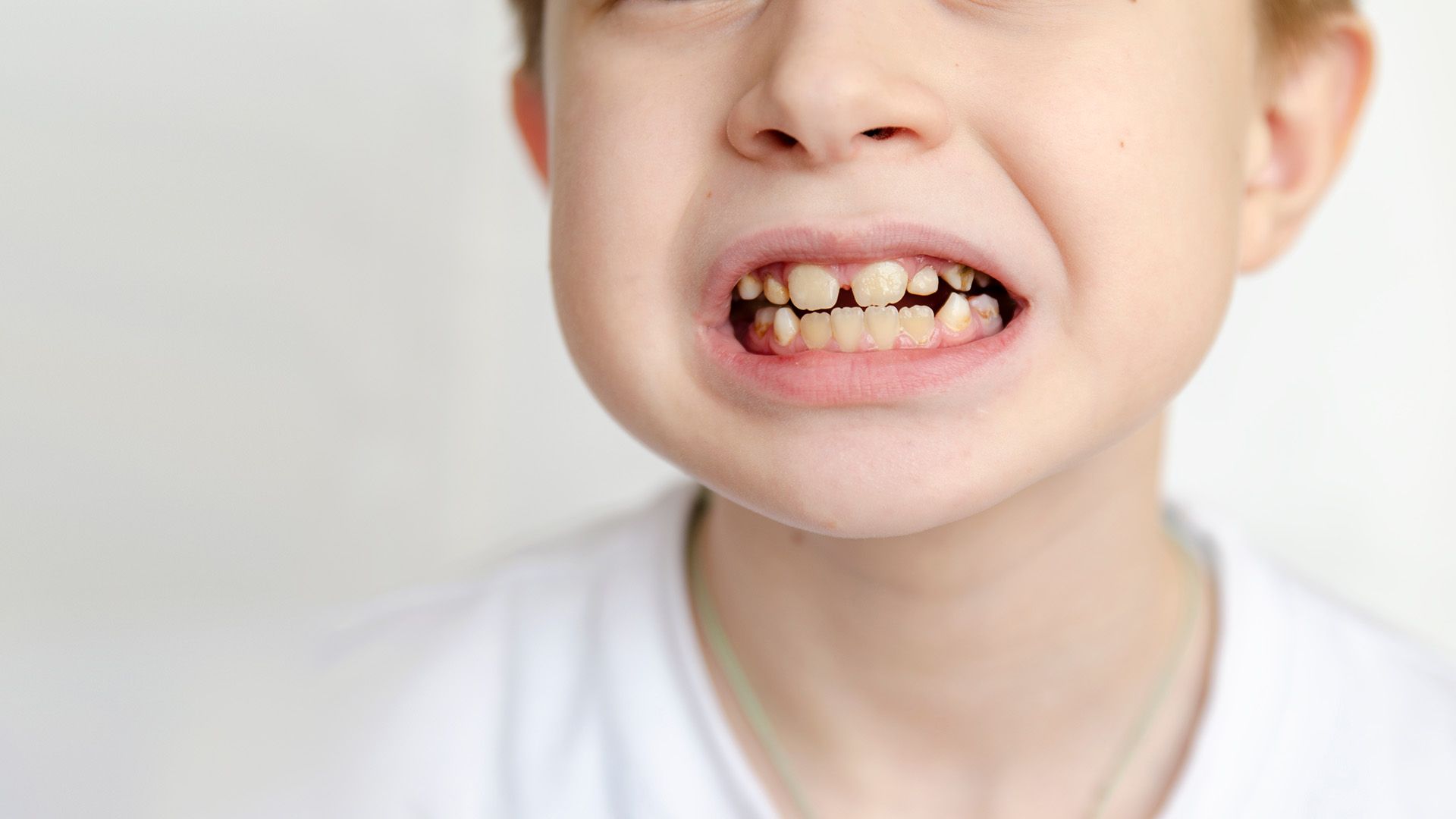
Cavities (dental caries) develop when enamel loses minerals faster than it can regain them. After your child eats or drinks, especially sugary or starchy foods, oral bacteria break down those carbohydrates and produce acid. This acid pulls minerals out of enamel in a process called demineralization. Repeated acid attacks without enough recovery time weaken enamel and can lead to a cavity.
Dental plaque, a sticky film of bacteria, forms on teeth throughout the day. If not removed with regular brushing and flossing, it hardens into tartar, trapping bacteria and acid against the tooth. Children may be more vulnerable because newly erupted teeth have thinner enamel, brushing habits are still developing, and frequent snacking or sipping on sweet drinks exposes teeth to more acid.
Common risk factors for cavities in kids include:
- Frequent snacking, especially on sweets or sticky foods
- Limited fluoride exposure
- Dry mouth or reduced saliva flow
- Deep grooves and pits in molars
- Orthodontic appliances that make thorough cleaning difficult
- A history of early cavities
Building strong daily habits, twice-daily brushing with fluoride toothpaste, flossing, a balanced diet, and routine dental checkups, helps reduce these risks.
How Fluoride Protects Kids’ Teeth
Fluoride defends against tooth decay through three main actions: strengthening enamel, promoting remineralization, and slowing harmful bacteria. Together, these effects can stop cavities before they start and repair early damage.
- Enamel strengthening: Fluoride integrates into the crystal structure of enamel, creating a more acid-resistant surface. Stronger enamel is better able to withstand daily acid challenges from foods and drinks.
- Remineralization support: When minerals such as calcium and phosphate are lost from enamel, fluoride helps draw them back to the tooth and incorporate them into weakened areas. This can harden softened spots and reverse very early decay before a hole forms.
- Bacterial inhibition: Fluoride interferes with how cavity-causing bacteria in plaque metabolize sugars, reducing the amount of acid they produce. With fewer acids attacking enamel, repair can outpace breakdown.
These mechanisms explain how fluoride treatments for kids work: by fortifying enamel, helping it heal, and reducing bacterial acid, professional applications provide a strong boost to everyday brushing and flossing.
When to Start Fluoride for Children
Kids benefit from fluoride as soon as the first tooth erupts. The American Academy of Pediatric Dentistry recommends:
- A smear (rice-sized amount) of fluoride toothpaste when the first tooth appears
- A pea-sized amount of fluoride toothpaste starting around age three
Professional fluoride treatments often begin once a child can comfortably sit for cleanings, commonly between ages one and three, depending on individual needs.
How often office treatments are needed depends on cavity risk:
- Low to moderate risk: Fluoride varnish about every six months during routine checkups
- Higher risk: Varnish every three to four months to counter frequent acid exposure, deep grooves in molars, limited fluoride at home, or a history of cavities
Your dental team will tailor a plan based on your child’s diet, brushing and flossing habits, and enamel condition.
Signs your child may benefit from more frequent fluoride include white, chalky spots near the gumline, sensitivity to sweets or cold, visible plaque despite regular brushing, recent cavities, or orthodontic appliances that are hard to keep clean. If you notice these issues, talk with your dentist about increasing fluoride support.
What to Expect During Fluoride Treatments
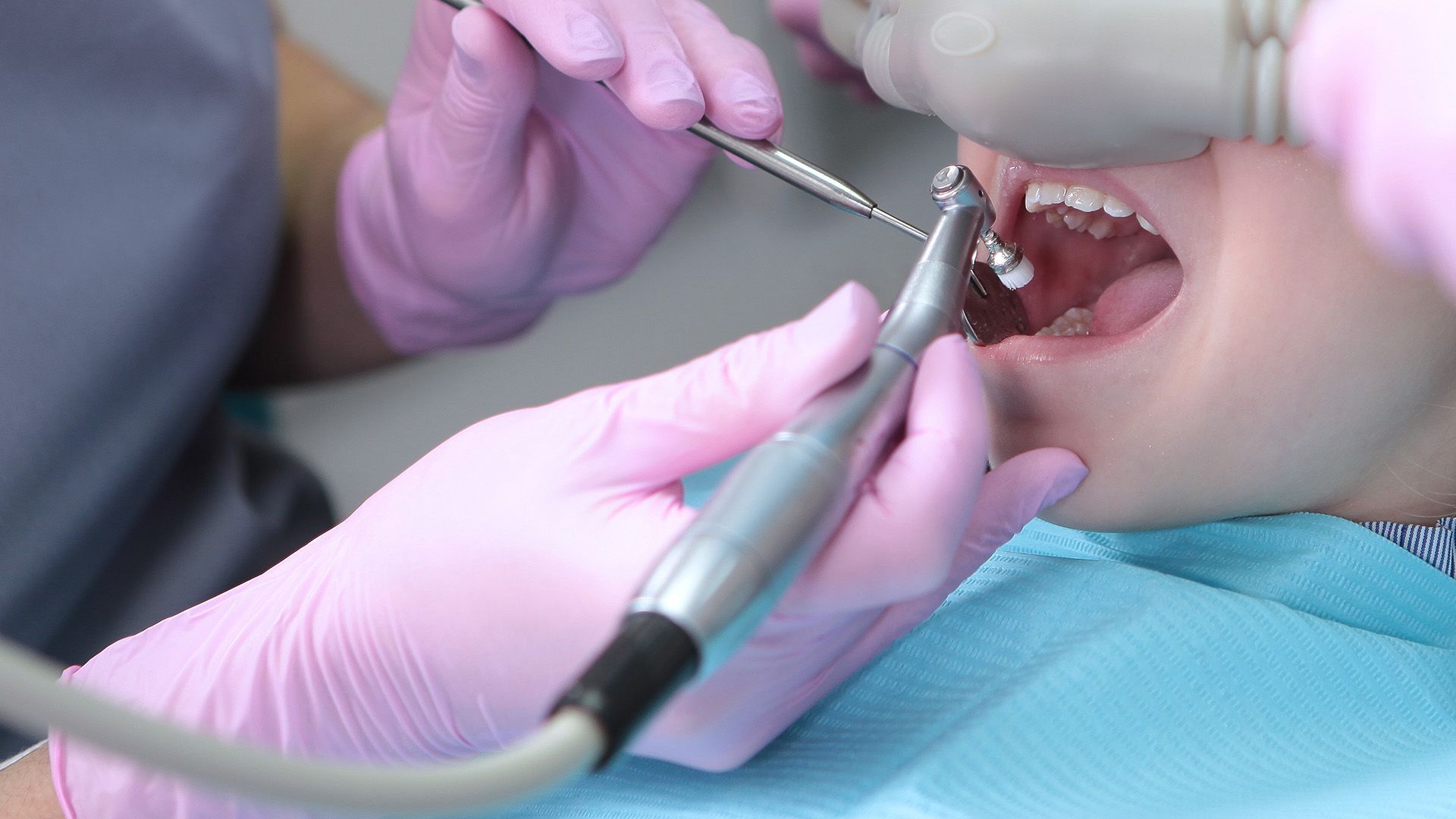
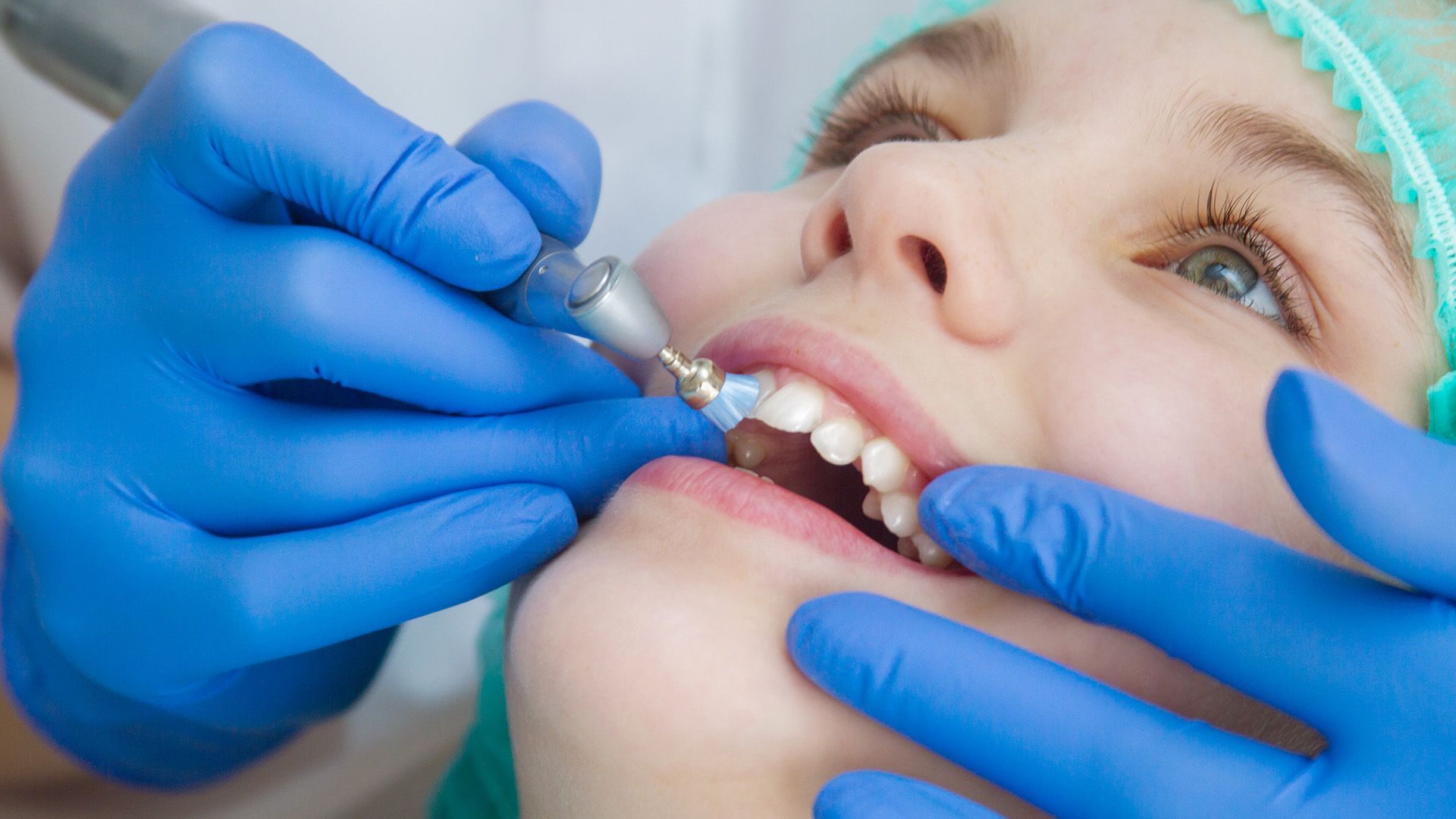
Professional fluoride typically comes as a varnish, gel, or foam. Varnish is commonly used for kids because it’s quick, effective, and well-tolerated.
| Type | How It’s Applied | Key Benefits |
|---|---|---|
| Varnish | Painted onto dried tooth surfaces with a small brush; sets quickly with saliva | Fast, low mess, ideal for young children; targeted application; continues working after the visit |
| Gel | Placed in trays or brushed on; child keeps it on teeth for a few minutes | High fluoride concentration; effective for older kids who can sit still |
| Foam | Dispensed into trays and held against teeth for a short time | Even coverage; useful in certain clinical situations |
After treatment, your dentist may recommend waiting to eat or drink for a short period and avoiding very hot foods that day. With varnish, a soft-bristled brushing later that evening is usually fine unless advised otherwise.
For parents curious about how fluoride treatments for kids work in real time: teeth are dried, the fluoride product is applied to clean surfaces, and the mineral begins interacting with enamel immediately, helping it resist acids between visits.
Safety and Common Questions
Fluoride has been extensively studied and is safe and effective when used as directed. It’s a complement to daily brushing and flossing, not a substitute. Community water fluoridation is associated with significant reductions in cavities for children and adults.
What is dental fluorosis? Fluorosis is a cosmetic change that can occur in developing teeth if too much fluoride is swallowed while enamel is forming (generally up to about age eight). Mild fluorosis appears as faint white streaks or specks and does not affect tooth function. It is uncommon when families use age-appropriate amounts of toothpaste and supervise brushing.
How can parents use fluoride safely?
- Use a smear of fluoride toothpaste for children under three; a pea-sized amount for ages three to six
- Help or supervise brushing to minimize swallowing and ensure thorough cleaning
- Encourage drinking fluoridated tap water when available
- Follow your dentist’s recommendations for professional fluoride treatments
- Store toothpaste and mouth rinses out of reach of young children
In the dental office, the amount of fluoride used is small and carefully controlled. Varnish hardens quickly and adheres to the teeth, making it safe even for very young children.
At-Home Habits That Boost Fluoride’s Benefits
Fluoride works best alongside consistent daily care. Help your child maintain a cavity-resistant smile with these tips:
- Brush teeth twice a day for two minutes with fluoride toothpaste
- Floss once a day to remove plaque between teeth and under the gumline
- Limit frequent snacking and sugary drinks; offer water between meals
- Choose tooth-friendly snacks like cheese, yogurt, nuts, and crunchy fruits or vegetables
- Use a mouth rinse with fluoride for older children if recommended by your dentist
- Schedule regular dental checkups and cleanings to monitor enamel and catch issues early
Understanding how fluoride treatments for kids work helps families pair in-office care with strong daily routines so teeth stay protected between visits.
The Bottom Line
Fluoride strengthens enamel, supports natural repair, and helps keep cavity-causing bacteria in check. Starting with a rice-sized smear of fluoride toothpaste when the first tooth erupts and moving to a pea-sized amount by age three lays a strong foundation. Professional fluoride treatments, often with varnish, add targeted protection based on your child’s needs.
With proper supervision and guidance from your dental team, fluoride is a safe, evidence-based way to protect growing smiles and reduce the need for fillings or more complex care later on. If you have questions about timing, frequency, or the best fluoride products for your child, your dentist can tailor recommendations to fit your family’s routine and risk level. For a quick refresher on how fluoride treatments for kids work, remember: strengthen enamel, restore minerals, and reduce bacterial acids.