When Do Children Lose Their Teeth? A Parent's Guide
Baby teeth loosen and fall out in early childhood as permanent teeth develop and erupt. While every child is unique, understanding the tooth loss timeline can help you anticipate what comes next. Parents often ask when do children lose their teeth or when do milk teeth fall out, and knowing the typical age for losing teeth, the order of tooth loss, signs to watch for, and how to care for your child’s mouth can make the transition comfortable. Below, you’ll find clear guidance on ages, sequence, when to seek professional advice, and how orthodontic care supports growing smiles.
Typical Timeline: At What Age Do Children Lose Their Baby Teeth?
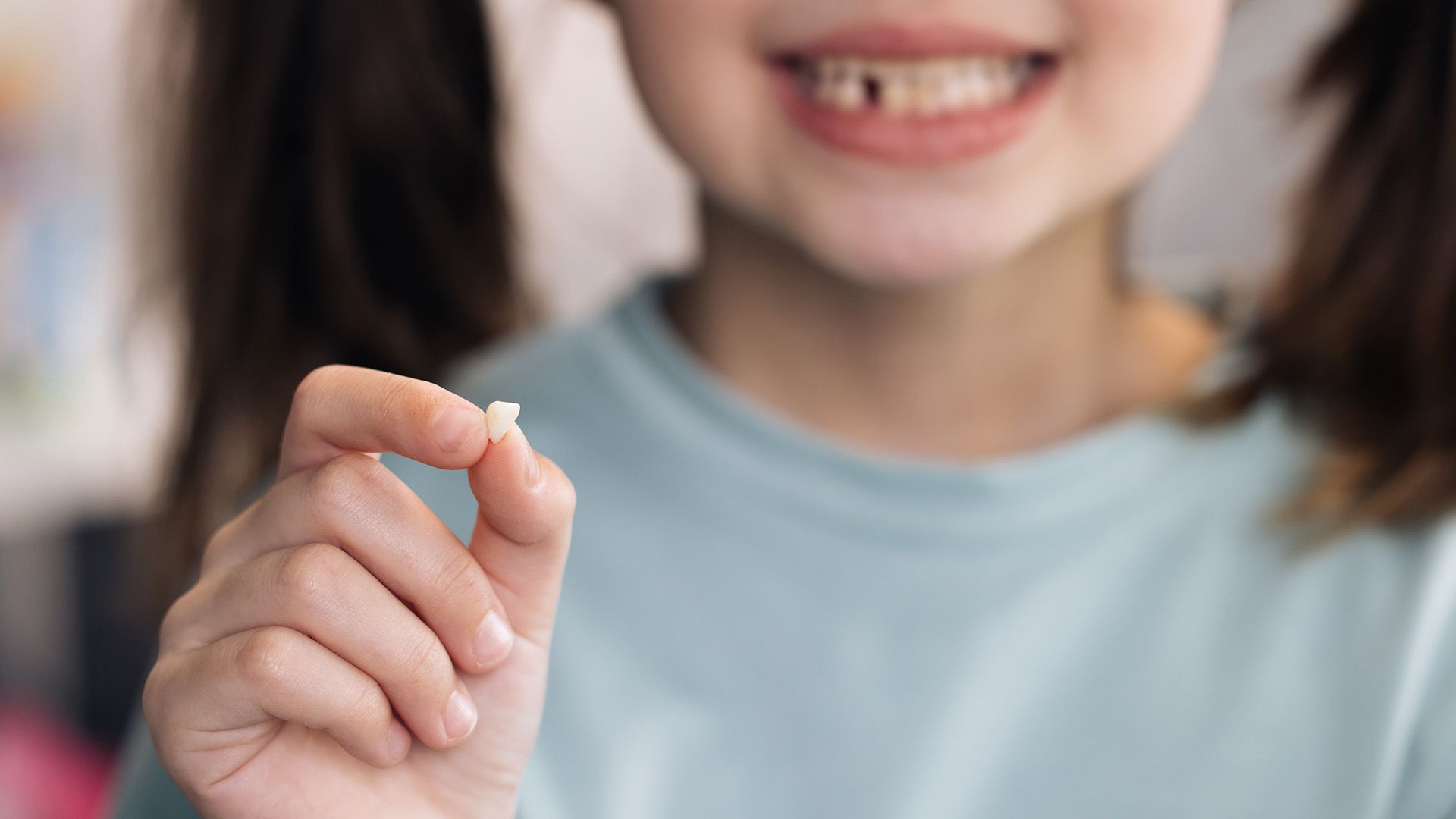
Most children lose their first baby tooth between ages 5 and 7, and the full set of baby teeth is usually replaced by permanent teeth between ages 11 and 13. Some children may be earlier or later, but this range fits the majority. By the mid-teen years, the permanent set is largely in place. Wisdom teeth may erupt between ages 17 and 25 or may never develop. For parents asking when do children lose their teeth or when do milk teeth fall out, this overview answers the common question about the expected age for losing teeth and the broader tooth loss timeline.
Baby teeth commonly fall out in the same order they arrived. The usual sequence is:
- Lower central incisors
- Upper central incisors
- Lateral incisors
- First molars
- Canines
- Second molars
This pattern helps maintain proper arch development and spacing for incoming permanent teeth. The tooth loss timeline often mirrors eruption order from infancy, which is why parents who track early eruption can often predict when do milk teeth fall out later on.
Normal variability is expected. Genetics influence eruption and shedding timing, girls often lose baby teeth slightly earlier than boys, and nutrition and overall health play a role. Dental habits and trauma can also shift the schedule. If your child’s age for losing teeth seems significantly ahead of or behind peers, a dental visit can provide reassurance and check for underlying issues.
Signs and Stages: How to Know a Tooth Is Ready to Come Out
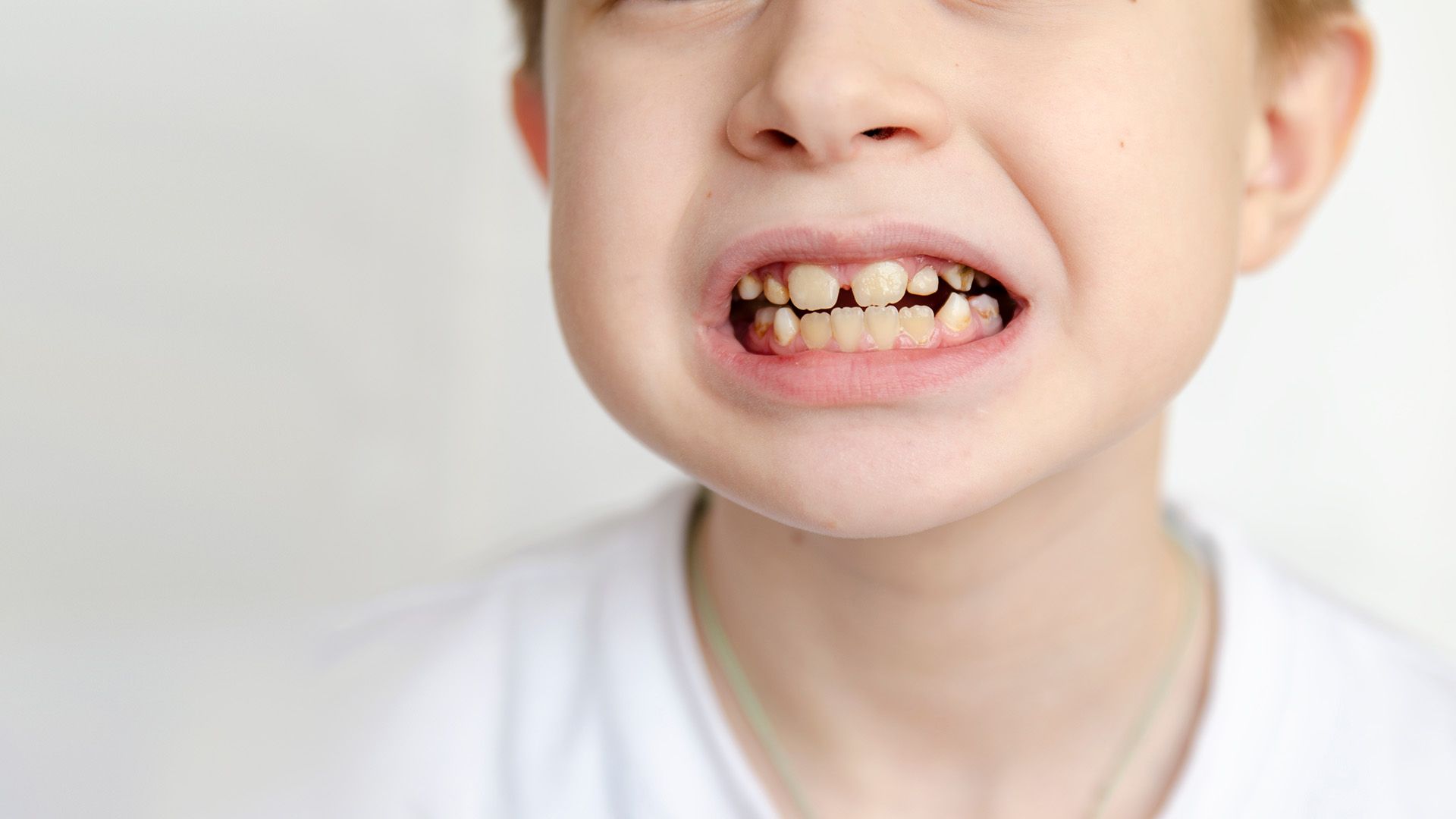
Early signs include a wobbly tooth that moves when touched, mild gum tenderness, and slight color changes near the gum line. Children may notice difficulty biting into crunchy foods with that tooth. Mild discomfort is normal, especially during eating or brushing around the area.
The process typically moves from initial looseness, to increased mobility as the permanent tooth pushes upward, to the baby tooth detaching and falling out, followed by a short healing period. After the tooth comes out, a blood clot forms in the socket and gum tissue closes over several days. A permanent tooth may be visible right away or may take weeks to emerge fully. These stages can vary by tooth and by child, which is why questions like when do children lose their teeth or what is the typical age for losing teeth are best answered with a flexible window rather than a specific date.
Most loose teeth do not require intervention. Monitor for red flags and contact a dentist if there is excessive pain, bleeding that does not stop after 10 minutes of gentle pressure, significant swelling, signs of infection such as pus or fever, or if the tooth was loosened by an injury. These situations may indicate trauma to the gums or developing permanent teeth and should be evaluated.
What Causes Early or Late Tooth Loss and When to Seek Professional Advice
Early tooth loss can result from trauma, severe decay, or infection. Losing baby teeth too soon may lead to space loss as neighboring teeth drift, which can crowd out the permanent tooth. A dentist may recommend a space maintainer to preserve room for the adult tooth. Early loss of front teeth is often less concerning than early loss of baby molars, which guide proper bite and spacing. Understanding these risks can help you interpret the tooth loss timeline and how it might affect future alignment.
Delayed tooth loss may be due to retained primary teeth that do not resorb normally, missing permanent tooth buds, or developmental conditions affecting eruption. Permanent teeth can be blocked by crowding or take an abnormal path. If baby teeth remain beyond the typical age for losing teeth or permanent teeth are slow to appear, an exam and X-rays can clarify the cause. Parents wondering when milk teeth fall out should keep in mind that later timing does not always indicate a problem, but it is wise to check.
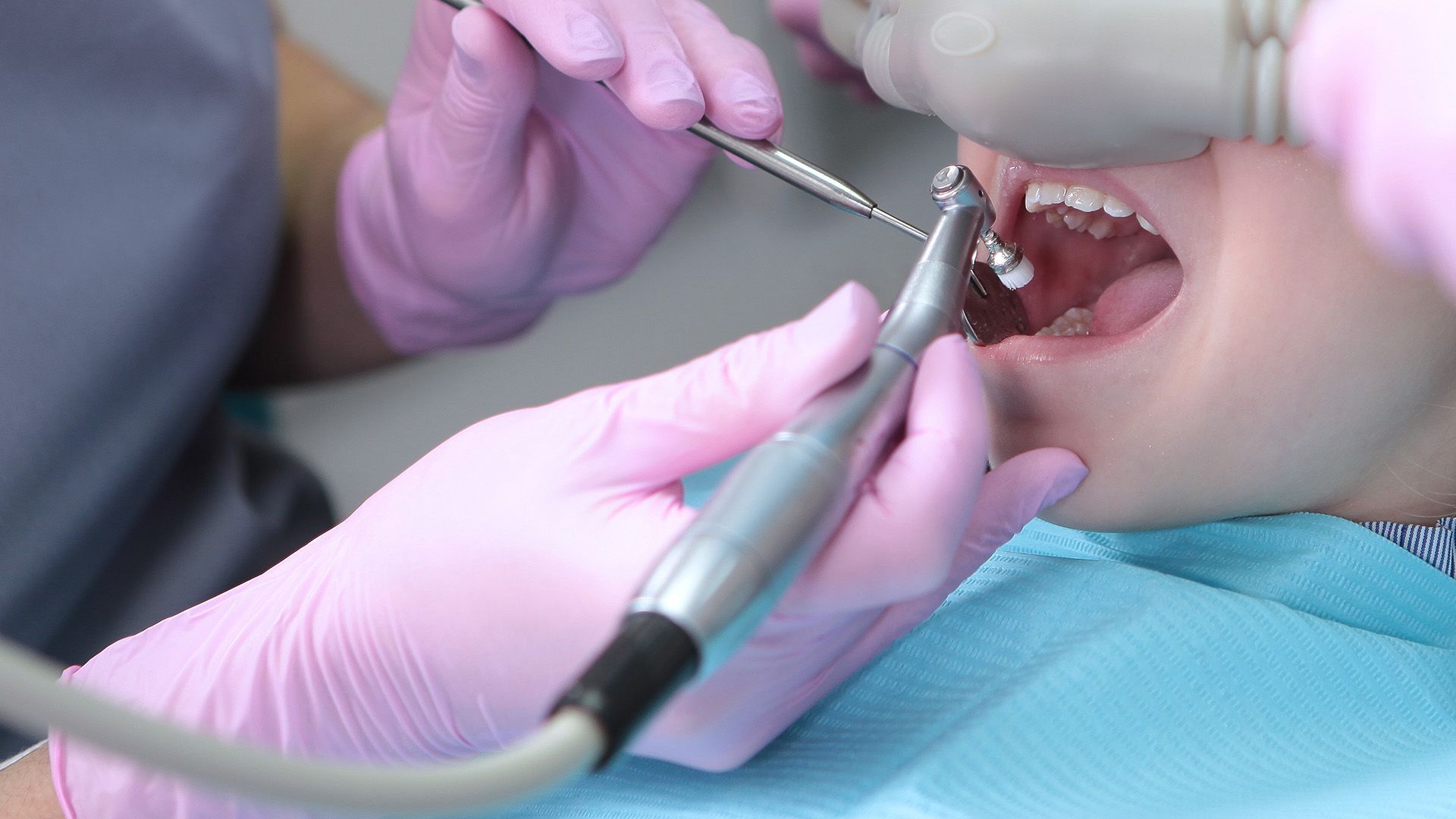
Seek professional advice if a baby tooth is extremely loose but painful to remove, if a permanent tooth erupts behind a baby tooth that will not come out, if teeth shift unexpectedly, or if you notice asymmetry, significant delays, or early loss after a mouth injury. A pediatric dentist can address dental health concerns, and an orthodontist can evaluate spacing, alignment, and bite to help prevent future issues.
Caring for a Child’s Mouth During the Tooth-Loss Years
Keep daily hygiene consistent and gentle. Brush twice a day with a soft-bristled brush and fluoride toothpaste, and floss once a day. If gums are tender, angle the bristles away from the sore spot and use small circular motions. A balanced diet with limited sugary snacks and drinks supports oral health. For mild soreness, a cold compress on the cheek or over-the-counter pain relief appropriate for children, as directed by your pediatrician, can help.
If a tooth falls out at school or during activities, have your child rinse with clean water and apply gentle pressure with a gauze pad to stop bleeding. Accidentally swallowing a baby tooth is not harmful and it will pass naturally. If bleeding continues beyond 10 minutes, call your dentist. Avoid twisting or forcefully pulling a tooth. Allow it to loosen naturally or consult a professional if it seems stuck.
Protect incoming permanent teeth with preventive care. Ask your dentist about dental sealants for first and second permanent molars to reduce cavity risk. Maintain appropriate fluoride exposure through toothpaste and community water. Encourage mouthguards for sports and active play to help prevent dental injuries during this vulnerable phase. These habits support a healthy progression along the tooth loss timeline and a smooth transition as permanent teeth arrive.
When Permanent Teeth Arrive and Orthodontic Considerations
Permanent teeth begin to erupt around ages 6 to 7 with the first molars and central incisors. Incisors and canines usually follow between ages 7 and 11, and premolars and second molars typically erupt between ages 10 and 13. As the adult smile forms, spacing from baby teeth often closes and bite relationships become clearer. Temporary gaps, rotated teeth, and mild crowding are common as the mouth adjusts. This is why it helps to understand when do children lose their teeth and the expected age for losing teeth across the early school years.
Watch for early orthodontic signs such as significant crowding or spacing, crossbites where upper teeth fit inside lower teeth, deep overbites, underbites, or open bites. Other clues include frequent biting of cheeks or lips, difficulty chewing, or teeth erupting far out of alignment. Many professionals recommend an orthodontic evaluation around age 7 to identify issues early and plan monitoring or intervention. Knowing when milk teeth fall out can guide the timing of these assessments during mixed dentition.
Comprehensive assessments tailored to growing children use exams and imaging to track eruption and jaw development. Early evaluations, growth monitoring, and treatment options such as expanders, limited
braces, or
clear aligner therapy may be considered when appropriate. In coordination with your family dentist, this approach helps ensure that incoming permanent teeth have the space and guidance they need for a healthy, confident smile.