How Oral Sedation Works in Pediatric Dentistry
Oral sedation can make dental visits more comfortable for children who feel anxious, have sensitive gag reflexes, or need longer treatments. With carefully chosen, weight-based oral sedatives taken by mouth, pediatric dentists help kids feel calm and still so care is completed smoothly and with less stress for your child and family. Understanding how oral sedation works in pediatric dentistry helps parents make confident, informed decisions for upcoming pediatric dental procedures.
What Is Oral Sedation in Pediatric Dentistry?
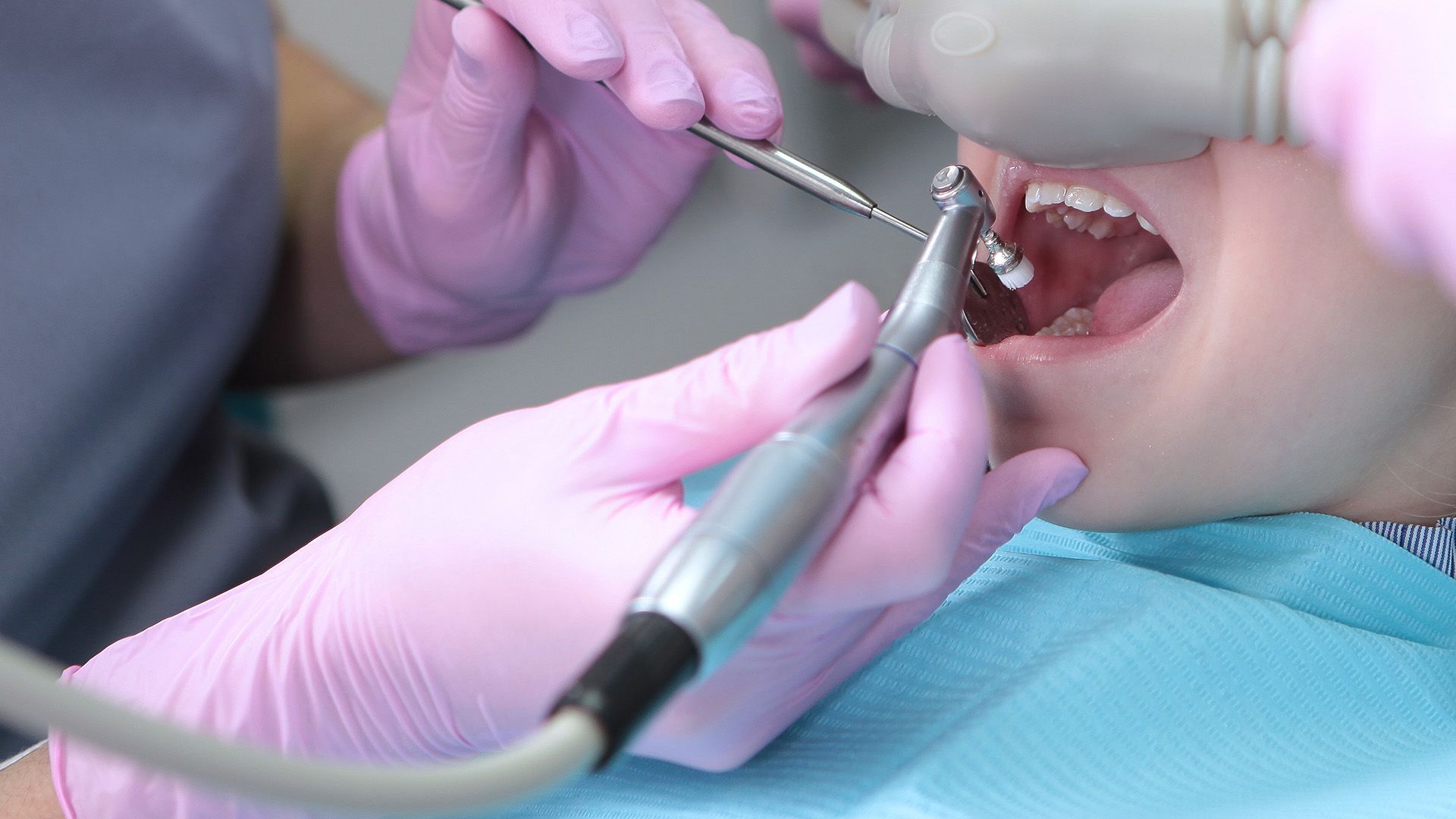
Oral sedation involves giving a prescribed medicine by mouth before a dental procedure to help a child relax. The goals are to reduce anxiety, limit movement, improve cooperation, and create a more positive experience. Children remain responsive and breathe on their own, but they feel calmer and may remember little of the visit. This approach is a common form of pediatric dental sedation used to support successful pediatric dental procedures.
Common oral sedatives include midazolam and hydroxyzine, and in select cases diazepam or alternatives to chloral hydrate when clinically appropriate. These differ from nitrous oxide (laughing gas), which is inhaled and wears off quickly, and from IV sedation or general anesthesia, which provide deeper sedation. Oral sedation is usually minimal to moderate in depth. Minimal sedation helps children feel relaxed while remaining fully awake. Moderate sedation makes children sleepier and less aware but still able to respond to voice or gentle touch.
Good candidates include children with mild to moderate dental anxiety, those who have difficulty sitting still, or those needing multiple restorations in one visit. Dosing is based on weight and age, so very young children may need alternative approaches. A thorough medical history is essential, especially for children with breathing issues (such as severe asthma or sleep apnea), neurologic conditions, or complex medication regimens. In some cases, or for extensive procedures, nitrous oxide, IV sedation, or general anesthesia may be recommended for predictability and safety. Parents often find value in learning how oral sedation works in pediatric dentistry when considering the best option for their child.
How Oral Sedation Works: Mechanism and Process
Oral sedatives act on the central nervous system to lessen anxiety and promote relaxation. In children, effects typically begin 15 to 30 minutes after dosing, peak around 30 to 60 minutes, and last about 1 to 2 hours, depending on the medication. Your child may become drowsy, less worried, and less aware of sights and sounds, while still able to follow simple instructions. This is the practical foundation of how oral sedation works in pediatric dentistry for routine and more involved pediatric dental procedures.
Doses are calculated by weight to achieve the intended level of sedation while maintaining safety. Your dentist times the dose so peak effects match the start of treatment, often giving the medicine in the office or shortly before arrival. Absorption is influenced by stomach contents, interactions with other medicines, and individual metabolism. Following instructions for eating and drinking helps ensure consistent, predictable effects and supports safe pediatric dental sedation.
Throughout the visit, trained staff monitor breathing, heart rate, oxygen levels, and responsiveness. Pediatric-specific monitoring equipment, emergency supplies, and reversal agents are available, and team members maintain sedation and life support certifications. The dentist uses the lightest effective dose, continuously observes your child, and can pause care if sedation becomes deeper than intended.
Preparing Your Child for Oral Sedation
Before the appointment, you will receive detailed fasting instructions. Typically, there are time frames for avoiding solid foods and milk, allowing clear liquids up to a certain point, and then having nothing by mouth just before dosing. Always follow the exact NPO instructions from your dentist, as timing can vary by age and medication. Share a complete list of your child’s medicines, vitamins, and supplements, and report any recent illnesses to help avoid interactions. A parent or legal guardian must provide consent and stay throughout the visit and recovery.
Bring a small comfort item like a favorite toy or blanket and a change of clothes. Dress your child in loose, comfortable clothing to allow easy placement of monitors. Use simple, reassuring language, such as, “The dentist has special medicine to help you feel calm and comfy while we count and clean your teeth.” Avoid scary details and let your child know you will be with them.
Before the procedure, the team will review medical history, allergies, any previous reactions to sedation or anesthesia, and recent coughs, colds, or breathing symptoms. For children with complex medical needs, the dentist may coordinate with your pediatrician or specialist to confirm that oral sedation is appropriate and adjust the plan if needed. This preparation supports safe, effective pediatric dental sedation for a wide range of pediatric dental procedures.
What to Expect on Sedation Day
- Check-in and consent review with confirmation of fasting times and medications.
- Baseline vital signs and placement of monitors sized for children.
- Administration of the oral medicine and a quiet waiting period as it takes effect.
- Gentle start to treatment once your child is relaxed; parents remain nearby per office policy.
- Continuous monitoring until your child meets safe discharge criteria.
Aftercare and Recovery at Home
After the visit, most children are drowsy and may be unsteady. Some are briefly irritable, emotional, or giggly as the sedation wears off. These effects usually fade within a few hours. Many children nap after the appointment and return to normal activities the next day. Limited memory of the visit is common.
Start with small sips of clear liquids. If tolerated, move to soft, bland foods. Avoid heavy or greasy meals until your child is fully alert. Encourage quiet activities and rest for the remainder of the day. Do not allow running, climbing, biking, swimming, or other activities that require coordination. Follow all pain control instructions and avoid giving sedating cough syrups, antihistamines, or other drowsiness-causing medicines unless approved by your dentist or pediatrician. A responsible adult should supervise your child for the rest of the day.
Contact your dental team promptly or seek urgent care if your child has trouble breathing, persistent vomiting, severe dizziness, a rash or swelling, high fever, bluish lips, or is difficult to wake. Follow-up may be arranged to review healing and discuss strategies to reduce future anxiety and limit the need for further pediatric dental sedation.
Safety and Benefits
For many children, oral sedation provides a comfortable, cooperative experience while maintaining an excellent safety profile. Benefits include reduced anxiety, improved tolerance for longer appointments, and the ability to complete more treatment in fewer visits. Compared with general anesthesia, oral sedation is lighter, does not require a breathing tube, and typically allows faster recovery. Compared with nitrous oxide alone, it offers deeper relaxation and can help children who do not tolerate a nasal mask.
Possible side effects include drowsiness, nausea, hiccups, paradoxical agitation (rare restlessness), and temporary unsteadiness. Risks are reduced through careful screening, weight-based dosing, continuous monitoring, and having trained staff and emergency equipment on site. Knowing how oral sedation works in pediatric dentistry and the role of oral sedatives helps families weigh these benefits and risks for planned pediatric dental procedures.
Frequently Asked Questions
| Question | Answer |
|---|---|
| Can I drive my child home? | Yes. An adult should drive, and your child must be secured in an appropriate car seat or seat belt and supervised. |
| Will my child need this again? | Many children do well with one sedated visit for extensive work and then transition to routine care without sedation. |
| Can it be combined with other medicines? | Only as directed by your dentist. We review all current medicines to prevent interactions. |
| Is nitrous oxide also used? | Sometimes a small amount of nitrous oxide is combined with oral sedation to enhance comfort, based on your child’s needs and safety profile. |
| Can my child go to school after? | We recommend rest at home. Most children return to school the next day. |