Does Florida KidCare Cover Pediatric Dental Cleanings and Fillings?
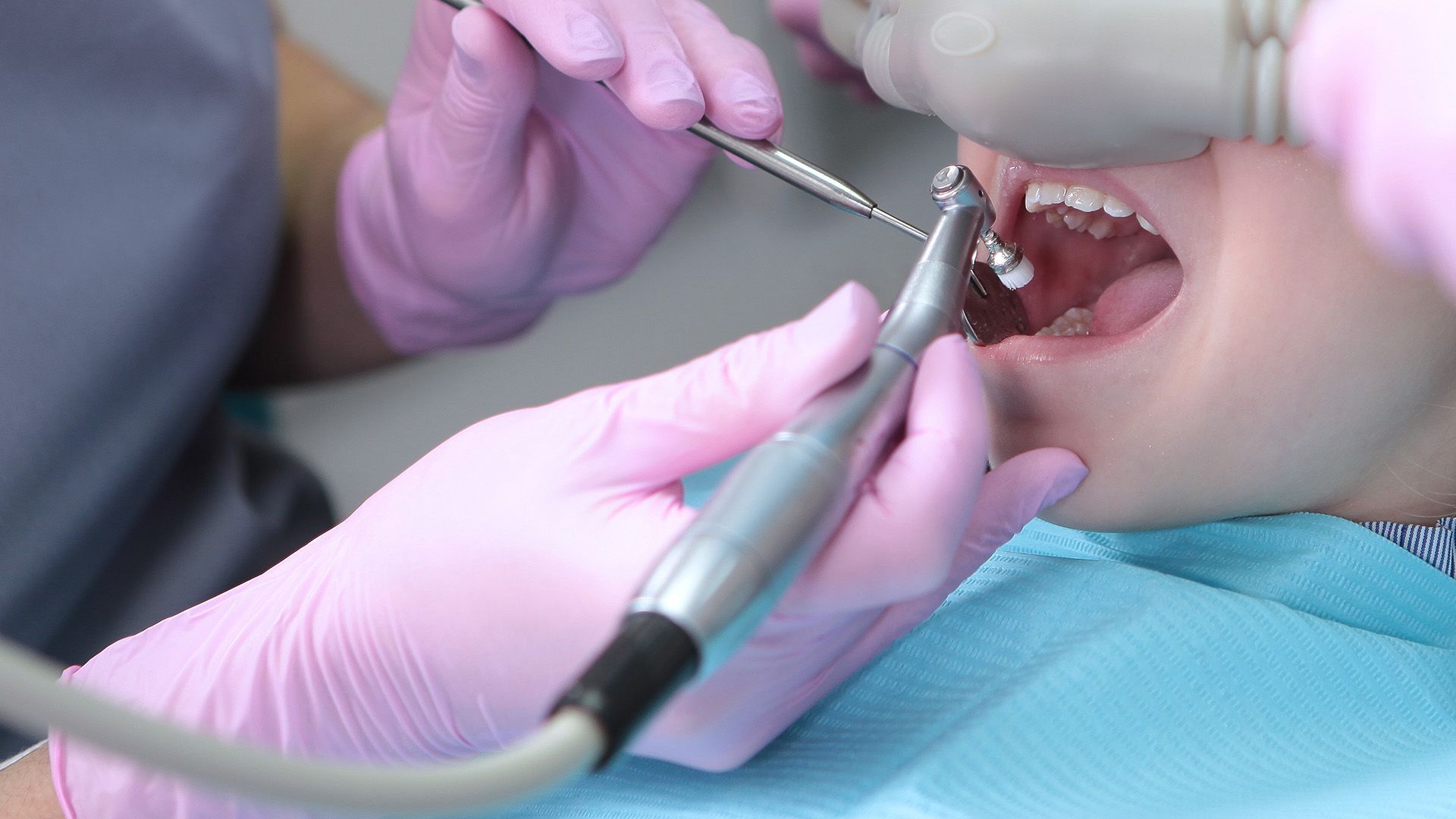
So, does Florida KidCare cover pediatric dental cleanings and fillings? The answer is generally yes. Florida KidCare provides robust pediatric dental benefits that typically include routine cleanings and exams, plus restorative treatments such as fillings. Coverage details vary by program (Healthy Kids, Medicaid, or MediKids), but most enrolled children receive preventive care with little to no cost and access to medically necessary treatment. Below is a clear overview of what’s covered, how to use your benefits, and what to expect at your child’s visit.
What Florida KidCare Covers for Dental Care
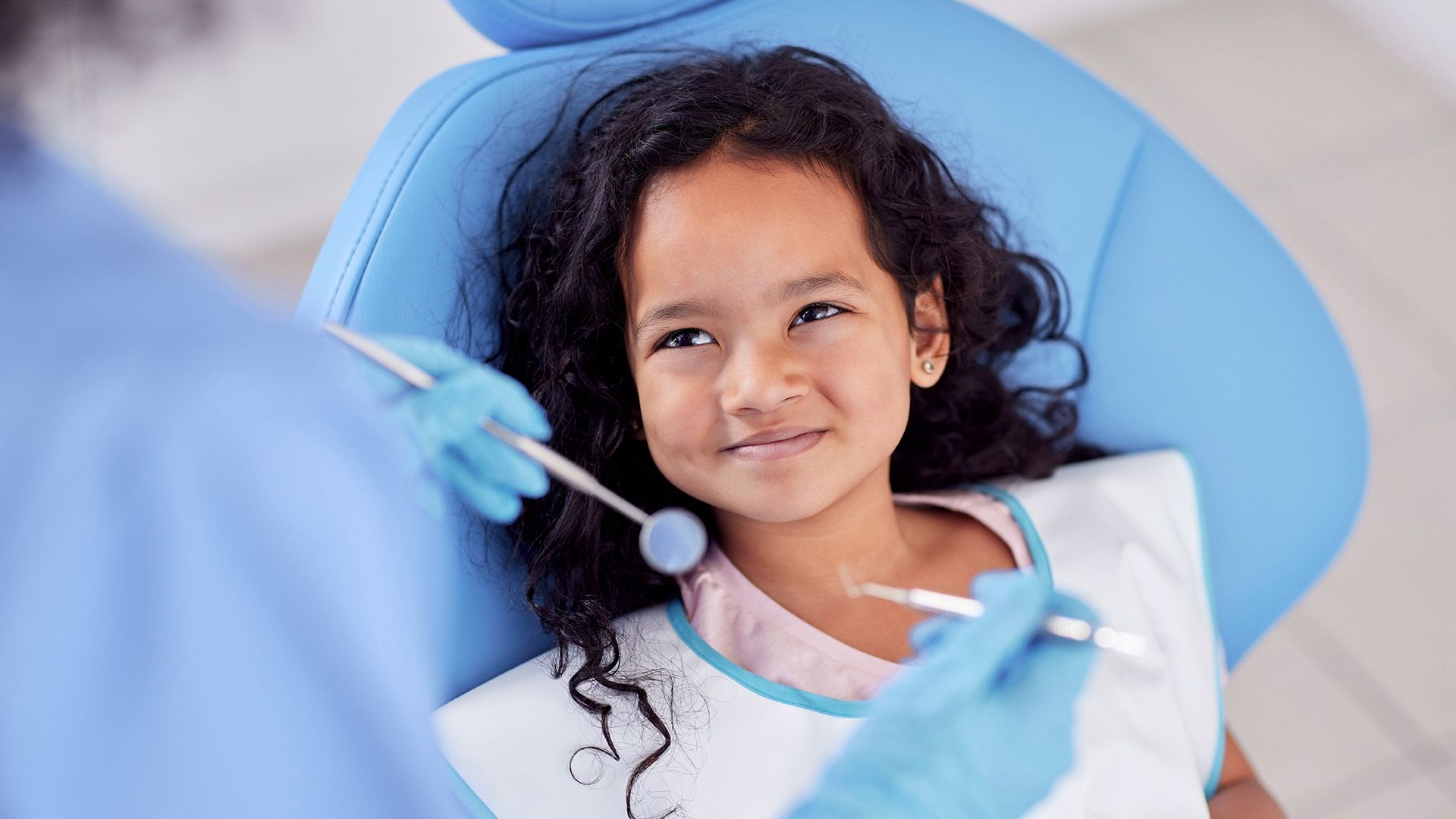
Preventive care is central to KidCare dental plans. Most children are eligible for two dental exams and cleanings per year, along with fluoride applications. Sealants are commonly covered for cavity-prone permanent molars within eligible age ranges, and dental X-rays are covered when clinically necessary to monitor development and detect decay.
Restorative services are also included when needed. Both tooth-colored and silver fillings are generally covered for cavities. Necessary extractions, simple or surgical, are included, and stainless steel crowns are often covered for primary teeth with extensive decay or following a pulpotomy. Some plans may limit specific materials (for instance, tooth-colored fillings on back molars) or request documentation of medical necessity for certain procedures.
Age and frequency limits help guide care. Most plans permit two preventive visits every six months, with fluoride covered at intervals based on risk (often every 3–12 months). Sealant coverage applies to permanent molars within set age windows. Frequency limits may also apply to X-rays, crowns, and other services. Always review your child’s plan handbook for exact age ranges and intervals. Families often ask if Florida KidCare covers pediatric dental cleanings and fillings for specific ages; benefits typically apply across childhood with defined limits by service.
How to Use Florida KidCare Dental Benefits
- Confirm your child’s assigned dental plan and network. Use the plan’s provider search to locate an in-network pediatric dentist. To change your child’s dental home, contact the dental plan’s member services; changes are typically allowed monthly or at set times.
- Choose an in-network office to help reduce out-of-pocket expenses and ensure covered benefits apply.
- Bring your child’s KidCare ID card, your photo ID, and any recent dental records or X-rays. Arrive early to complete health history and consent forms, and inform the team about medications or medical conditions.
- Some services may require prior authorization. Your dentist will outline a treatment plan, explain covered and non-covered items, and submit authorizations when needed for crowns, space maintainers, or complex care. Most offices file claims directly with the plan, and you will receive an explanation of benefits detailing coverage and any copays.
Costs, Enrollment, and Helpful Resources
Many preventive visits have no cost for families, especially for Florida Medicaid enrollees. For Healthy Kids or MediKids, low monthly premiums may apply, and small copays may be due for certain services depending on your income tier. Out-of-network care is often not covered or may result in higher costs, so verify network status before scheduling. If restorative treatment is planned, ask the office for a pre-treatment estimate and clarify whether the plan covers fillings on the specific teeth involved.
Coverage starts once enrollment is active and remains in effect as long as eligibility is maintained and any required premiums are paid. Complete annual renewals on time and confirm coverage before each visit, particularly if your family’s address, income, or plan selection has changed. Contact your plan to confirm benefits for your child’s age and tooth surfaces.
Need assistance? Call your dental plan’s member services (the number on the back of your card) for help with finding providers, network questions, or authorizations. Clinic teams can also assist with benefit checks, scheduling, and required forms. For urgent dental concerns after hours, contact your plan’s 24/7 nurse or dental advice line or visit an urgent dental clinic. If your child has severe pain, swelling, or fever, seek emergency care immediately.