What to Know About Switching Pediatric Dentists
Changing your child’s dentist can feel like a big step, but with a clear plan it often leads to better care and a more positive experience. Whether you are moving, your insurance has changed, or your child’s needs are evolving, knowing when and how to switch helps protect their oral health and comfort. Below, learn what to consider, how to prepare, and what to expect when transitioning to a new pediatric dentist. The guidance below will help you make a confident, informed decision.

When and Why Families Consider Switching Pediatric Dentists
Families often explore a new pediatric dentist during major transitions. Starting school, entering the tween or teen years, or beginning orthodontic evaluations can prompt a change. A move to a new area, shifts in insurance networks, or new work and school schedules can also influence the decision.
Common reasons include a desire for clearer communication, more convenient access, or improved care quality. If the office is hard to reach, appointments are only available at inconvenient times, or messages go unanswered, another dental home may be a better fit.
Clinical needs matter as well. Persistent cavities without a clear prevention plan, mismatches in behavior management approaches, or concerns about infection control and cleanliness are valid reasons to look elsewhere. If sedation services or care for children with special health care needs are not well supported, seeking a practice with the right expertise can make a meaningful difference.
Parents often ask what to know during these moments of change: identify your primary goals, clarify your child’s needs, and look for a practice whose philosophy aligns with your family’s values.
Signs It’s Time to Find a New Pediatric Dentist
Pay attention to red flags in care and communication:
- Missed or delayed diagnoses
- Treatment plans that are confusing or not explained in plain language
- Inconsistent recommendations between visits
- Poor follow-up after procedures or limited guidance for home care
If your questions feel dismissed or rushed, it may be time to move on.
Your child’s emotional cues are equally important. Persistent anxiety, fear before appointments, meltdowns tied to dental visits, or regression in cooperation after previously doing well can indicate that the environment or approach is not a good match for your child.
Logistical friction also signals a problem. Repeated long wait times, frequent last-minute cancellations by the office, billing errors, unexpected charges, or difficulty coordinating appointments with school and activities can erode trust and continuity of care.
How to Prepare for the Transition to a New Pediatric Dentist
Begin by collecting records so your new dentist has a complete picture from day one. Request your child’s dental chart, including clinical notes, treatment history, fluoride and sealant records, orthodontic screening notes, and any referral letters. Ask for recent X-rays (bitewings, periapicals, and panoramic images if taken) in a digital format, ideally via secure email or download link. With your written authorization, most offices can send records directly to the new practice.
Make a brief list of ongoing concerns to bring to the first visit. Include:
- Recent recommendations from the previous dentist
- Any pain, sensitivity, or discomfort your child mentions
- Habits like thumb sucking, pacifier use, or teeth grinding
- Upcoming procedures that were being considered
- Medications, allergies, and relevant medical conditions
Update insurance details before scheduling. Verify the new office is in-network and understands your benefits. Ask about expected costs for exams, cleanings, X-rays, fluoride, and sealants to avoid surprises. Prepare your child by explaining, in age-appropriate language, what to expect and emphasize that this is a fresh start with a team that wants to keep their smile healthy.
What to Expect at the First Visit With a New Pediatric Dentist
The first appointment typically includes a thorough intake. The team will review medical and dental history, discuss previous experiences, and take any necessary X-rays based on age and risk factors. A comprehensive exam follows, assessing teeth, gums, bite, jaw growth, and areas of concern. You should receive a clear care plan outlining preventive steps, recommended treatments, and follow-up timing.
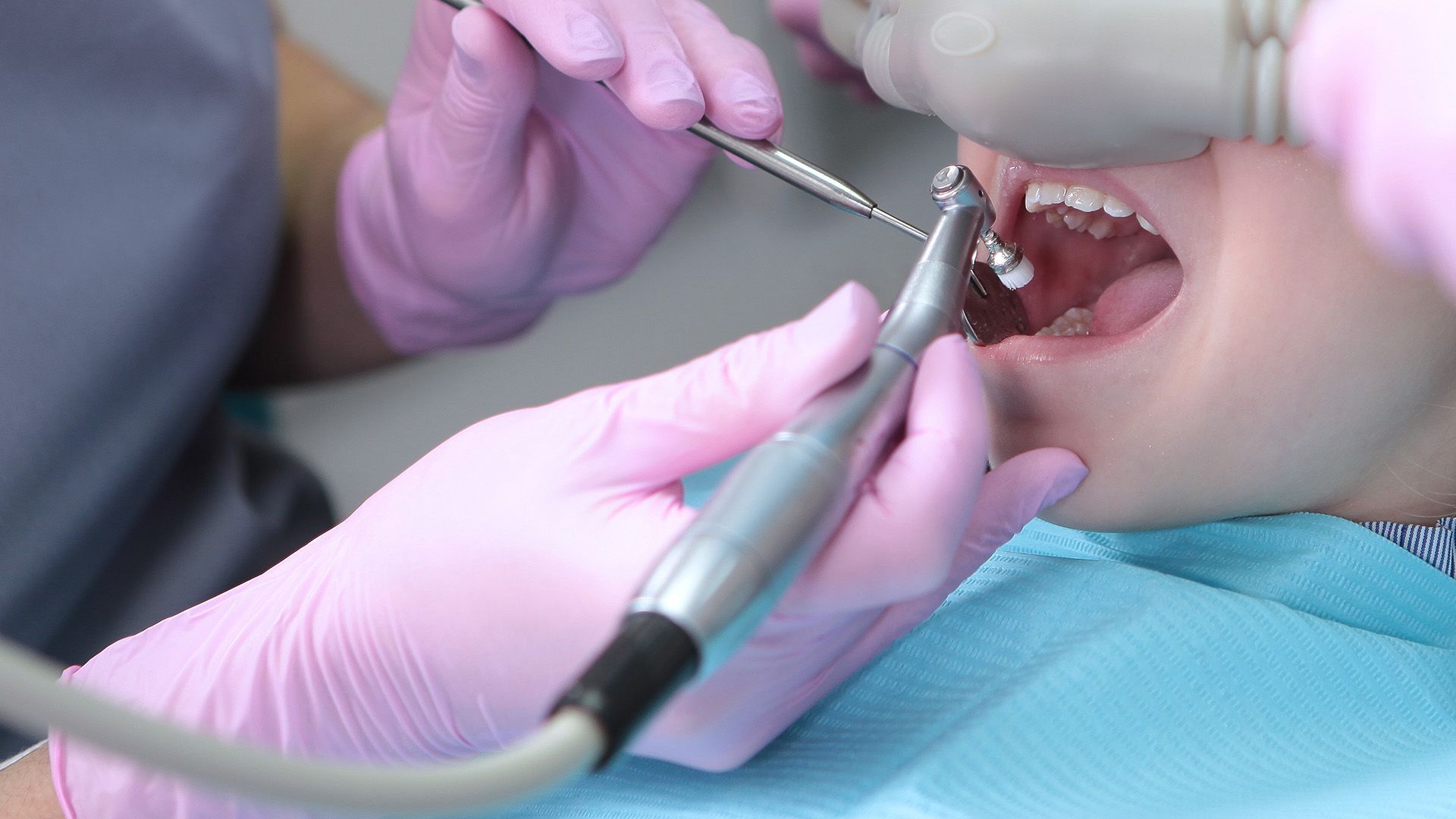
Experienced pediatric dentists assess behavioral needs from the start and tailor their approach to help children feel safe. Techniques may include tell-show-do, distraction, nitrous oxide when appropriate, and comfort items. If your child is anxious, the team can create a personalized comfort plan, which might involve shorter visits, desensitization sessions, or scheduling at the time of day when your child is most relaxed.
Bring questions to guide the conversation. Helpful topics include:
- Treatment timelines and alternatives
- Materials used for fillings and sealants
- How the office handles after-hours emergencies
- Preventive strategies such as fluoride, sealants, diet coaching, and home care routines
- Follow-up intervals and how progress will be tracked, especially for orthodontic monitoring or cavity risk management
Tips for a Smooth Transition and Continuity of Care
Help your child ease into the new setting by practicing at home. Role-play a dental visit, practice opening wide, and read a short, positive story about going to the dentist. If available, schedule a brief office tour so your child can meet the team and see the space. Use specific praise and small rewards to reinforce brave behavior.
Coordinate ongoing care to avoid gaps. Share your records with any specialists, such as orthodontists or oral surgeons, and confirm that everyone is aligned on the plan. Book follow-ups before leaving the office and add reminders to your calendar. Track dates of X-rays, fluoride, sealants, and any changes in symptoms so you can update the dentist at each visit.
Look for practices that communicate clearly, offer flexible scheduling that fits school and activities, and provide insurance guidance so you clearly understand coverage and costs. A family-centered approach that prioritizes understandable explanations, gentle techniques, and a calm environment tailored to your child’s needs can make the transition much smoother.
| Step | What to Do |
|---|---|
| Confirm reason for switching | Identify care, communication, or access issues you want to improve. |
| Verify insurance | Ensure the new office is in-network and review estimated costs. |
| Request records | Obtain charts, X-rays, and treatment history; authorize direct transfer. |
| Prepare your child | Use simple explanations, role-play, and reassurance. |
| First visit questions | Ask about timelines, alternatives, preventive strategies, and emergencies. |
| Plan follow-ups | Schedule next appointments, coordinate with specialists, and set reminders. |
When gathering information about switching pediatric dentists, keep this checklist handy as you compare options and plan your first appointment. Reviewing these steps helps ensure continuity of care and a positive experience for your child.