Why Are My Child’s Teeth Yellow? Causes, Prevention, and Treatment
Seeing yellow teeth in your child can be unsettling, but it’s a common issue with many manageable explanations. If your child’s teeth look yellow, the cause can range from normal differences in developing teeth to diet, hygiene, and medical factors. Understanding what’s behind the color helps you choose the right next steps. Below, learn what’s typical, when to get an evaluation, how to prevent staining, and how an orthodontic or dental team can help.
Common Reasons Children’s Teeth Look Yellow
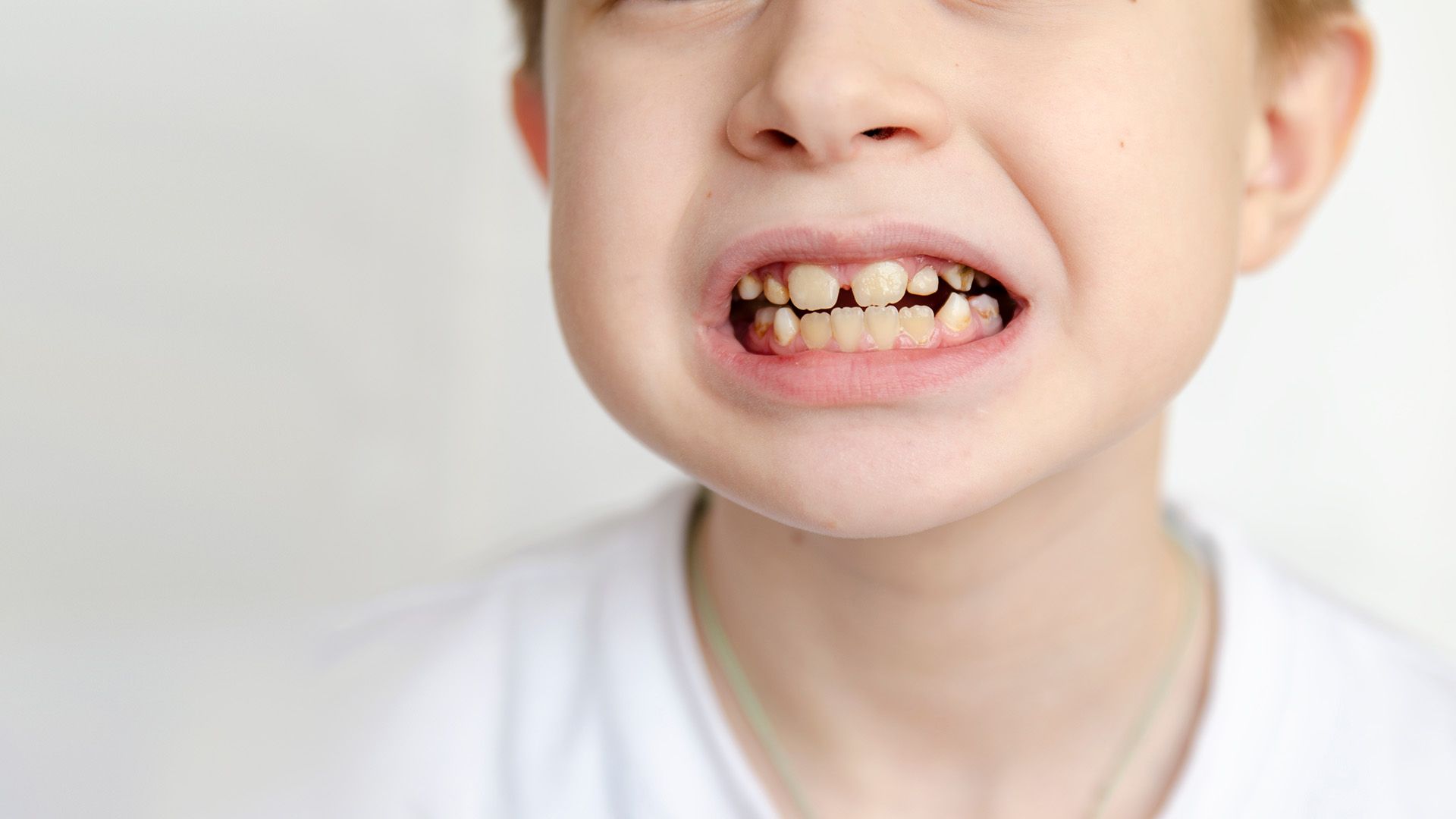
Natural tooth anatomy: Teeth have a whiter, translucent enamel layer over a deeper dentin layer that appears more yellow. If enamel is thinner or more translucent, common in some children, the yellow tone of dentin can show through even when teeth are healthy.
Diet and surface stains: Dark-colored foods and drinks, including berries, tomato-based sauces, soy sauce, fruit juices, sodas, and sports drinks, can stain enamel. Frequent snacking on sugary or starchy foods promotes plaque buildup that traps stains. Acidic beverages erode enamel over time, making the yellow dentin more visible.
Hygiene-related buildup: Inadequate brushing and flossing allow plaque to mineralize into tartar, which often looks yellow or brown. Tartar cannot be removed at home and requires professional cleaning.
Medications and medical factors: Certain antibiotics used during early tooth development (such as tetracycline historically) can cause intrinsic discoloration. High fevers during tooth formation, chronic illnesses, enamel hypoplasia, and excessive fluoride exposure can also affect tooth color.
Normal Color Changes vs When to Be Concerned
What’s normal with new permanent teeth: Freshly erupted permanent teeth often look more yellow than baby teeth. Primary teeth have whiter, more opaque enamel. In contrast, early adult enamel is more translucent, so side-by-side the new teeth can seem yellow. As enamel matures and more permanent teeth come in, the overall shade usually evens out.
Signs that warrant attention: Yellowing is more concerning when you notice:
- Chalky white spots, brown areas, pitting, or rough enamel (possible enamel defects, fluorosis, or early decay)
- Rapid color changes or gray/dark discoloration after an injury
- Color changes limited to a few teeth rather than a general shade difference
Red flags to contact your dentist or orthodontist:
- Tooth pain or sensitivity to hot, cold, or sweets
- Visible cavities, gum bleeding or swelling, or persistent bad breath
- A sudden shift in tooth color or stains that do not improve with brushing
If you’re unsure whether the color is normal and still wondering why your child's teeth are yellow, schedule an exam. Early evaluation is the easiest way to protect your child’s smile.
How to Prevent and Reduce Yellowing at Home
Daily care routines: Help your child brush twice a day with a soft-bristled brush and age-appropriate fluoride toothpaste: a smear the size of a grain of rice for under age 3, and a pea-sized amount for ages 3–6. Floss once a day where teeth touch. Supervise brushing until at least age 7–8 to ensure thorough cleaning and prevent swallowing toothpaste.
Smart diet choices: Limit sugary snacks, sodas, sports drinks, and frequent sipping on juice. Encourage water between meals, ideally fluoridated tap water. After stain-prone foods or drinks, have your child rinse with water and wait 30 minutes before brushing to protect softened enamel. Offer calcium-rich foods and crunchy fruits and vegetables that promote saliva flow and help sweep away debris.
Regular cleanings and cautious whitening: Dental checkups and professional cleanings every six months remove plaque and tartar that make teeth look yellow. Whitening is generally not recommended for young children; for teens, any whitening should be dentist-supervised to avoid sensitivity or uneven results. Avoid abrasive DIY methods like charcoal powders, baking soda scrubs, or acidic “hacks,” which can wear enamel and make teeth appear more yellow over time.
Professional Care and What to Expect at an Exam
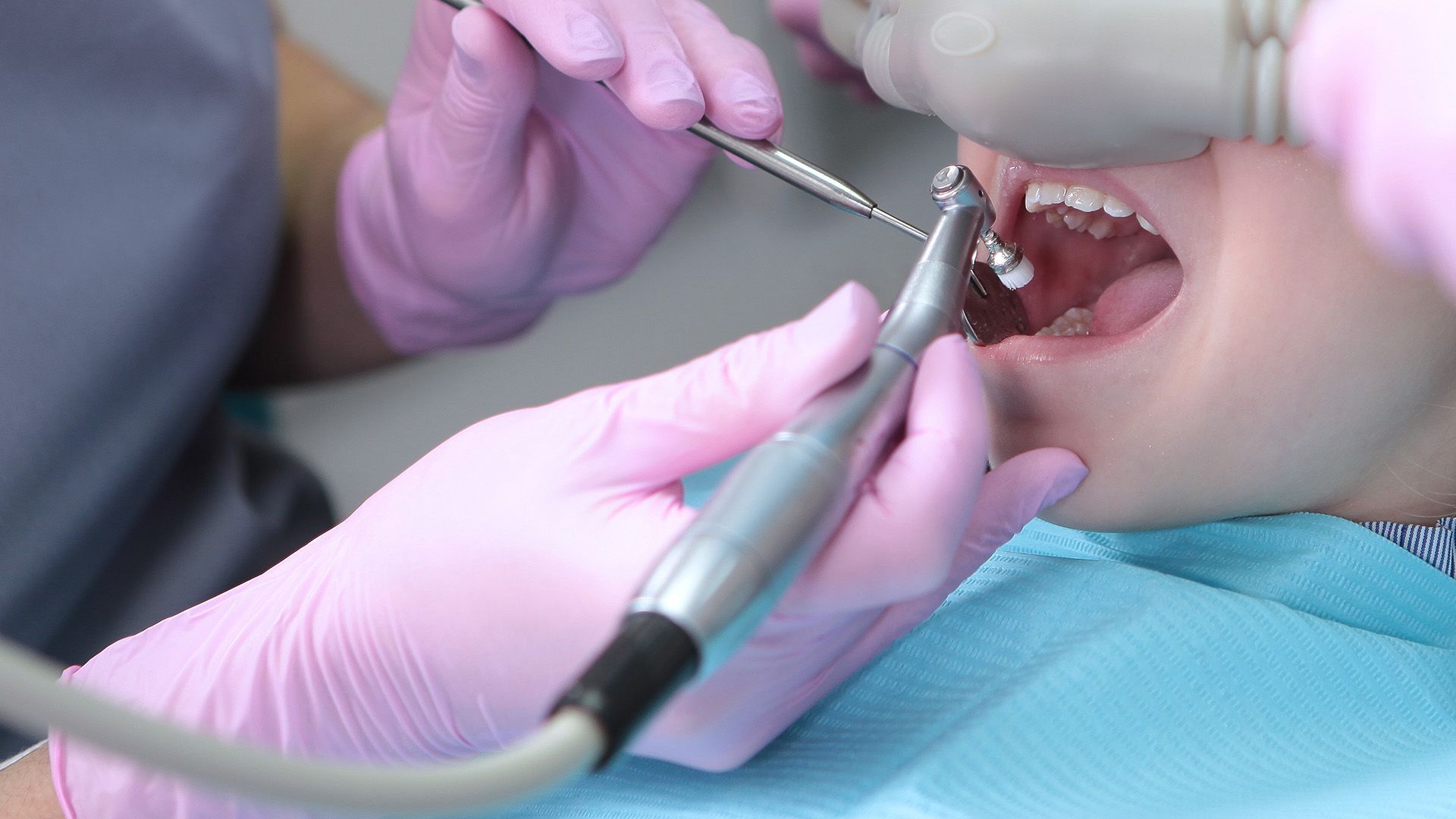
Evaluation steps: A dental professional evaluates enamel quality and thickness, identifies stains, plaque, and tartar, assesses alignment and bite, and reviews hygiene and diet. They may take photos or X-rays if needed and provide personalized, step-by-step recommendations.
Treatment options:
- Professional cleanings to remove surface stains and tartar
- Address enamel defects or early decay in partnership with your child’s dentist
- Discuss orthodontic treatment if crowding is trapping plaque and stains
- For appropriate older teens, consider dentist-supervised whitening
Long-term smile health: Ongoing monitoring of erupting adult teeth, guidance of jaw and tooth alignment, and reinforced prevention strategies can keep teeth bright over time. If you’re concerned about why your child's teeth are yellow, a professional visit can help identify the cause and create a plan to support a confident, healthy smile.