Do Kids Eventually Lose All of Their Teeth? What Parents Should Know
Yes, most children shed all of their primary (baby) teeth and develop a complete set of permanent teeth through late childhood and the teen years. Parents often ask, do kids eventually lose all of their teeth? In nearly all cases, the answer is yes, as baby teeth are replaced by permanent teeth on a predictable timeline. Knowing when teeth erupt and fall out, how permanent teeth replace them, and what ranges are normal helps parents support healthy smiles. Below, we outline typical timelines, what to expect, and when to seek guidance from your pediatric dentist or orthodontist.

How Many Baby Teeth Do Children Have and When Do They Come In?
Children typically have 20 primary teeth: 8 incisors, 4 canines, and 8 molars. These teeth are essential for chewing, speech development, jaw growth, and guiding permanent teeth into position. Primary teeth usually begin to appear between 6 and 10 months, though some babies start as early as 4 months or as late as 12 months. By around age 3, most children have a complete primary set.
Typical eruption timing:
- Lower central incisors: 6–10 months
- Upper central incisors: 8–12 months
- Lateral incisors: 9–13 months
- First molars: 13–19 months
- Canines: 16–23 months
- Second molars: 23–33 months
Healthy variation is common. If your child’s timeline is a bit earlier or later, that often falls within normal development.
Teething care tips:
- Gently massage gums with a clean finger.
- Offer a chilled (not frozen) teether.
- Wipe emerging teeth with a soft cloth; once teeth erupt, brush twice daily with a soft-bristled brush and a smear of fluoride toothpaste the size of a grain of rice (a pea-sized amount after age 3).
- Schedule the first dental visit by age 1 or within six months of the first tooth.
When and How Do Kids Lose Their Baby Teeth?
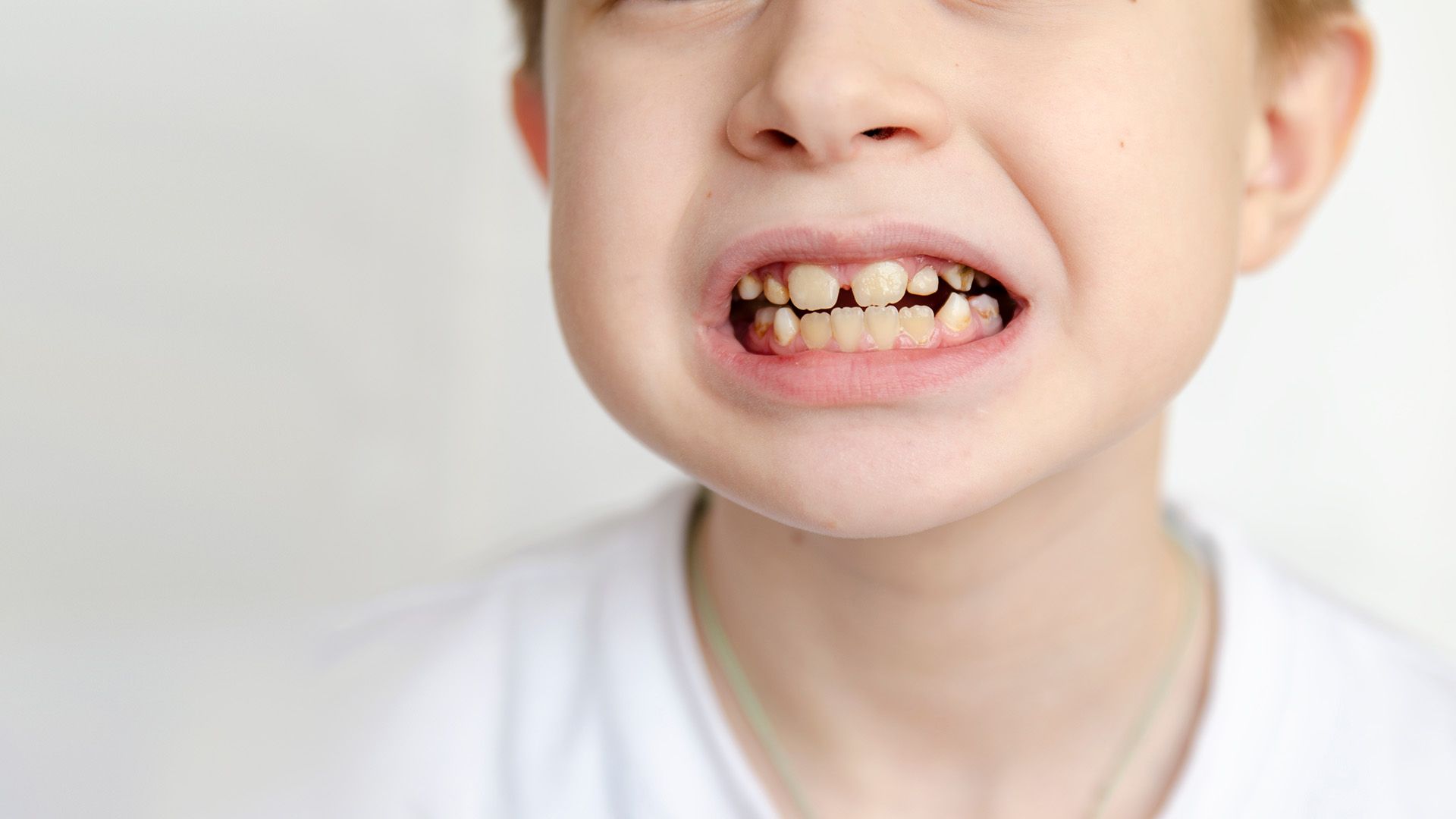
Most children lose their first baby tooth between ages 5 and 7, and the transition to a mostly permanent smile typically finishes by ages 11 to 13. The sequence and timing can vary; shifts of several months are usually normal.
Baby teeth often fall out in the order they came in: central incisors first, then lateral incisors, followed by first molars, canines, and second molars. As permanent teeth develop, they press against the roots of baby teeth, causing those roots to dissolve, which loosens the teeth naturally.
Signs a tooth is ready to come out include noticeable looseness, slight shifting, and mild gum tenderness. Let the process happen naturally. Encourage your child to gently wiggle a loose tooth with clean hands or their tongue. Avoid forceful pulling or tying strings, which can injure gums or break roots. If a tooth remains very loose but painful, or if it doesn’t fall out after several months, consult your dentist to see if safe removal is appropriate.
Do Children Eventually Lose All of Their Teeth? Understanding Permanent Dentition
Primary teeth are designed to be temporary, while permanent teeth are meant to last a lifetime. Adults typically have 32 permanent teeth, including four wisdom teeth (third molars) that may erupt in the late teens or early twenties. Children begin getting permanent teeth around age 6, usually with the first permanent molars erupting behind the baby molars and the lower central incisors replacing the baby front teeth.
Permanent tooth eruption generally progresses from ages 6 to 12 for most front teeth and early molars, with second molars appearing around ages 11 to 13. Wisdom teeth, if present, may erupt between ages 17 and 25, though not everyone develops them, and many are removed if they cause problems. As a result, children do ultimately lose all 20 baby teeth and gain 28 to 32 permanent teeth, depending on whether wisdom teeth erupt or are extracted. This is part of the natural process that replaces primary teeth with a full set of adult teeth over these years.
Variations to know:
- Some children lack one or more permanent teeth (congenitally missing teeth). In these cases, the corresponding baby tooth may remain in place for years.
- Others may have extra teeth or delayed eruption that changes the typical pattern.
- Retained baby teeth can function well, but an orthodontic evaluation helps decide whether to maintain space, guide eruption, or plan for a replacement tooth.
If a baby tooth does not loosen when expected, or if permanent teeth erupt behind baby teeth (often called “shark teeth”), schedule an assessment to plan appropriate care.
When to Be Concerned and When to Visit an Orthodontist or Dentist
Most timing differences are harmless, but some signs warrant a professional look. Contact your dental provider if you notice:
- Tooth loss much earlier than age 5 or later than age 8 for the first tooth.
- Baby teeth that remain well beyond expected ages without loosening.
- Permanent teeth erupting far off course or without adequate space.
- Pain, swelling, or signs of infection around a loose or newly erupting tooth.
The American Association of Orthodontists recommends an orthodontic assessment around age 7. Early evaluation helps identify crowding, bite issues, missing or extra teeth, and spacing needs. Planning may include space maintainers after early tooth loss, eruption guidance, interceptive orthodontics, or monitoring growth to time treatment for the best outcome.
What to expect at a visit:
- A thorough exam and review of dental history.
- X-rays if needed to evaluate developing teeth and eruption paths.
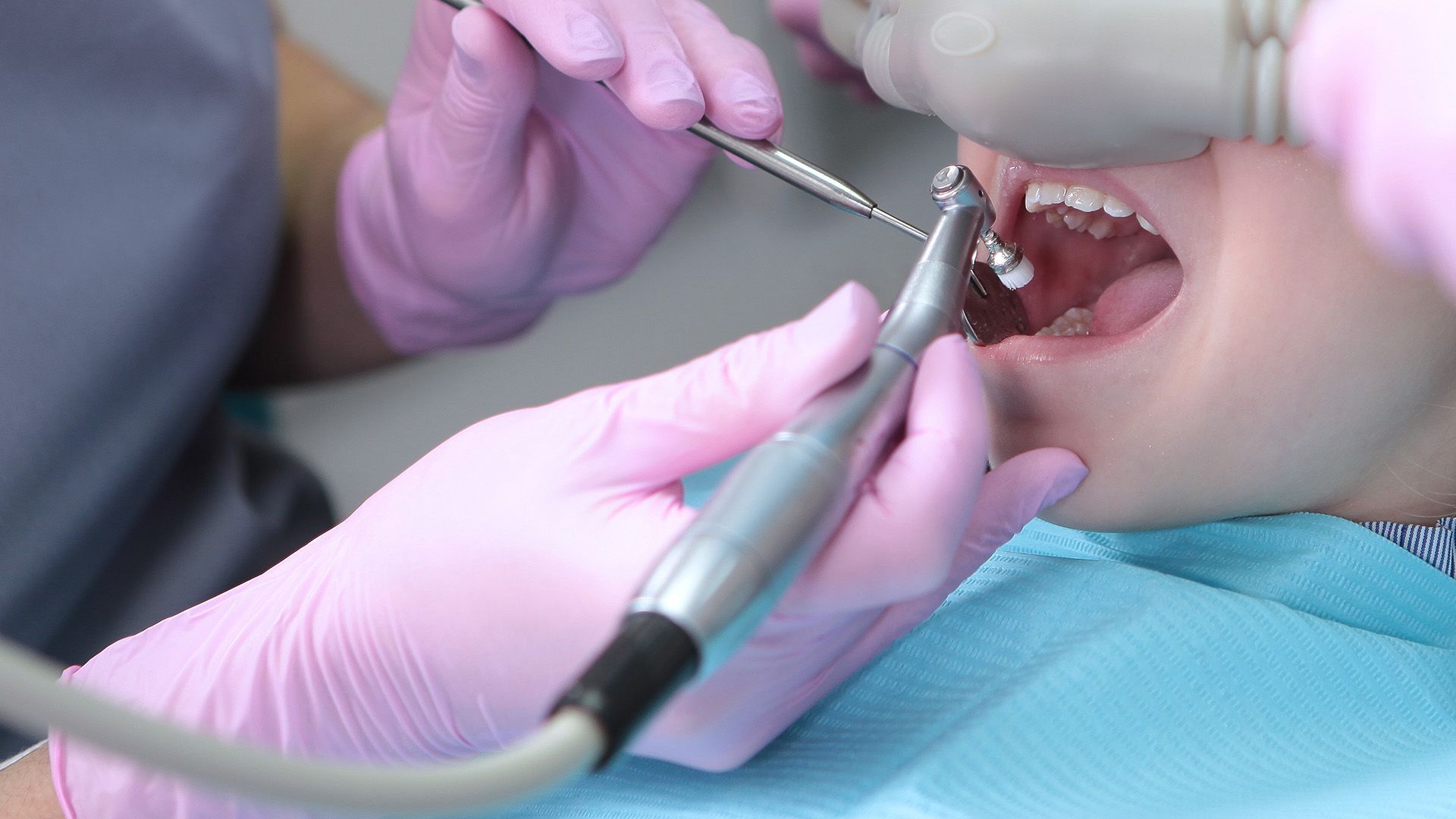
- Personalized guidance on brushing, flossing, diet, and timing of care.
At home, maintain twice-daily brushing with fluoride toothpaste, start daily flossing once teeth contact, serve a tooth-friendly diet low in sticky, sugary snacks, and schedule regular six-month checkups. When a tooth comes out, use clean gauze to manage minor bleeding, reassure your child, and consider a cold compress for comfort. For discomfort, follow child-safe pain relief guidance from your dentist or pediatrician.
Support Your Child’s Smile
Every child’s smile develops on its own timeline. Most kids will naturally lose all 20 baby teeth and gain a healthy set of permanent teeth. If you have questions about tooth eruption, timing, or crowding, a dental professional can help with friendly, expert care tailored to your child.