Gingivitis in Children: Causes, Signs, Prevention, and Treatment
Gingivitis is the earliest stage of gum disease and it’s more common in kids than many parents realize. The good news: with consistent habits and timely care, it’s highly preventable and reversible. Here’s what causes gingivitis in children, how to recognize it, and the steps that keep growing smiles healthy.

What Is Gingivitis in Children?
Gingivitis is inflammation of the gums caused by plaque, a sticky film of bacteria that collects along the gumline. Unlike periodontal disease, which affects the bone and deeper tissues supporting the teeth, gingivitis involves only the gums and does not include bone loss. When addressed early, it can resolve without lasting effects, especially when focusing on preventing gingivitis through daily care.
Gingivitis can occur at any age. Infants and toddlers may have gum irritation during teething and while oral hygiene routines are developing. School-age children and preteens often show early signs, particularly early gingivitis around newly erupting teeth where plaque tends to accumulate. Recognizing early gingivitis helps families act promptly with effective gingivitis prevention.
Developing mouths are uniquely prone to gum inflammation. Erupting teeth create hard-to-clean nooks, baby teeth have spacing and anatomy that trap plaque, and a child’s immune response is still maturing. These factors make consistent daily care and regular professional cleanings especially important for managing children’s gums problems and preventing gingivitis from progressing.
Causes and Risk Factors for Childhood Gingivitis
- Plaque buildup: Inadequate brushing and flossing allow bacteria to collect at the gumline. Sugary foods and drinks fuel these bacteria, increasing acids and inflammation that can lead to children’s gingivitis and gums with gingivitis.
- Medical and developmental factors: Some medications reduce saliva or cause gum overgrowth, making plaque removal harder. Orthodontic appliances like braces create additional areas where plaque clings. Hormonal changes during puberty can heighten gum sensitivity. Systemic conditions that affect immunity or saliva flow may also raise risk and contribute to children’s gums problems.
- Behavioral and environmental influences: Prolonged pacifier use or thumb sucking can irritate gum tissues and alter bite patterns. Frequent sugary snacks or sipping juice between meals prolongs sugar exposure. Secondhand smoke is linked to higher rates of gum problems by impairing healing and immune function in the mouth, increasing the likelihood of gums with gingivitis.
Recognizing, Preventing, and Treating Gingivitis in Kids
Know the signs. Watch for red, swollen, or shiny gums; bleeding with brushing or flossing; persistent bad breath; tenderness; and gumlines that look puffy or receded around certain teeth. If bleeding lasts more than a week despite good home care, or if pain, pus, or loose teeth develop, schedule a dental visit promptly. These are common indicators of gingivitis in children and may reflect early gingivitis that benefits from quick intervention.
Build strong home routines for gingivitis prevention.
- Under age 3: Use a smear of fluoride toothpaste and brush twice daily with a soft, child-sized brush to begin preventing gingivitis before it starts.
- Ages 3–6: Use a pea-size amount of fluoride toothpaste.
- Brush for two minutes, focusing along the gumline with gentle circles; supervise and assist until skills are reliable to reduce children’s gingivitis risk.
- Begin flossing once any two teeth touch; floss picks can make this easier.
- Offer water often, limit sugary snacks and drinks to mealtimes, and choose tooth-friendly options like cheese, yogurt, nuts (if age-appropriate), and crunchy fruits and vegetables to support gingivitis prevention.
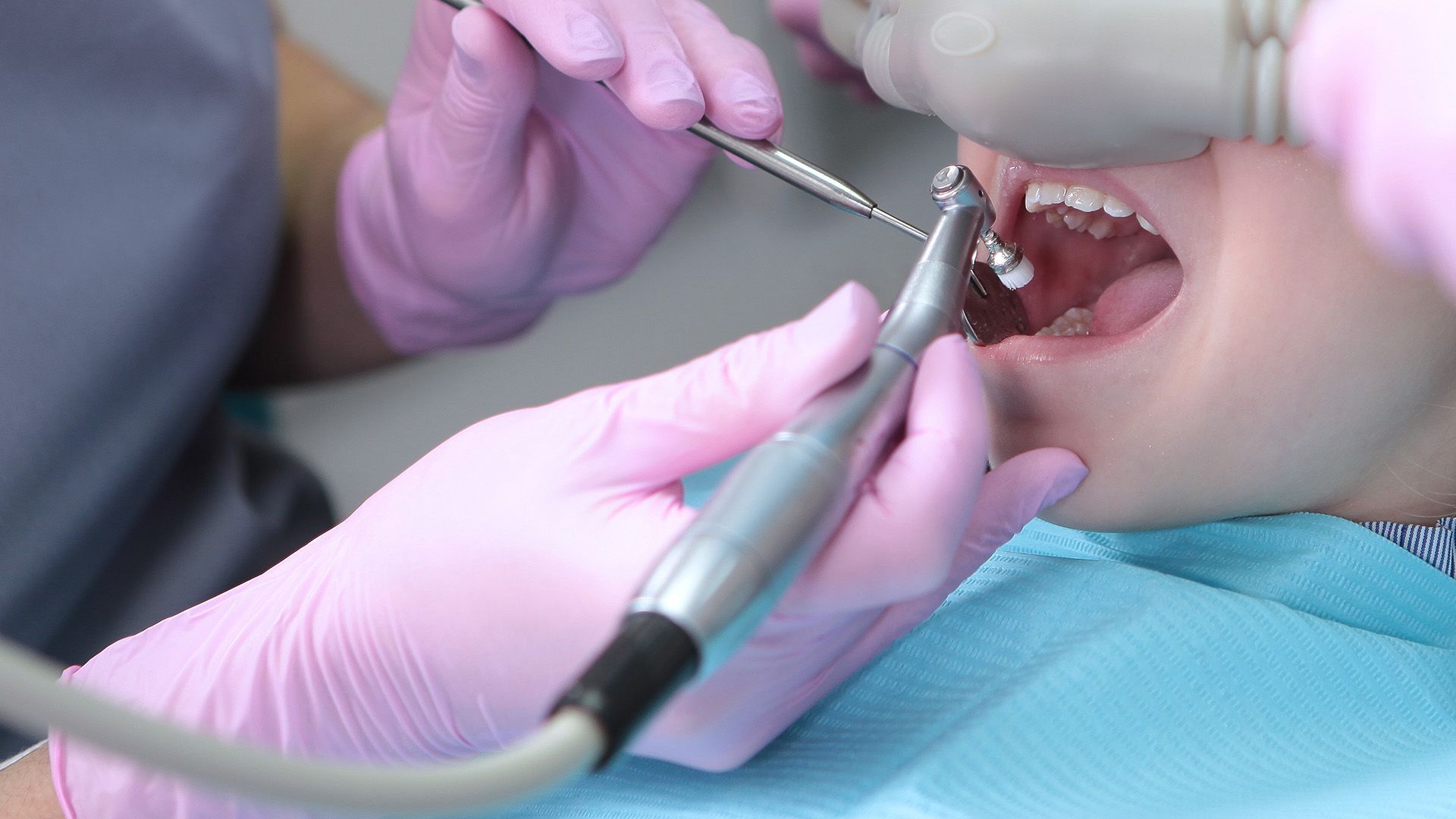
Rely on regular professional care. Twice-yearly dental checkups enable early detection, professional cleanings to remove tartar that brushing can’t, and personalized guidance on technique and tools. Depending on your child’s needs, the dentist may suggest fluoride treatments, sealants to prevent cavities, antimicrobial rinses for older children, or tailored brushing and flossing strategies around braces. These steps are central to preventing gingivitis and managing children’s gums problems effectively.
How a pediatric dental team helps. Pediatric providers tailor exams to your child’s developmental stage, use kid-friendly techniques to encourage great habits, and coordinate with orthodontists when appliances are involved. They can evaluate medication effects, manage puberty-related gum sensitivity, and design a prevention plan that fits your child’s needs and schedule. With early diagnosis and consistent care, children’s gingivitis can be reversed, healthy gums maintained, and gums with gingivitis returned to comfort and health.