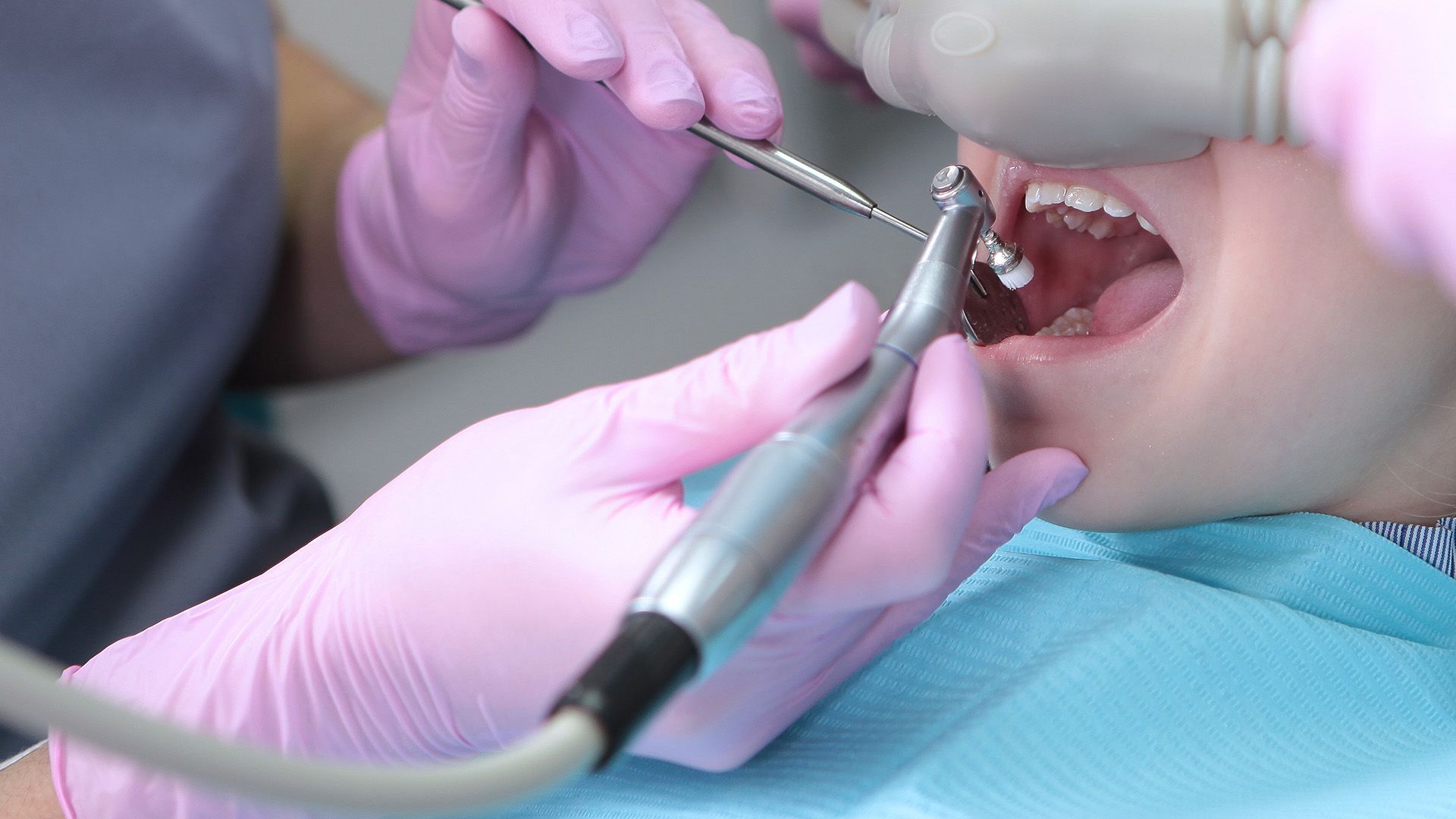
What Is a Baby Root Canal? A Parent’s Guide
Baby teeth do more than complete your child’s smile. They guide jaw growth, hold space for permanent teeth, and support clear speech and proper chewing. When a primary tooth is badly decayed or injured, a “baby root canal” can relieve pain and keep that tooth in place until it naturally falls out. This guide explains what the procedure involves, how to recognize the signs your child may need one, what to expect during treatment and recovery, and the benefits and alternatives to consider. If you have ever wondered what a baby root canal is and how it differs from adult care, the overview below will help you feel prepared.

What Is a Baby Root Canal?
A baby root canal is pediatric pulp therapy that treats the inside of a damaged primary tooth to stop infection and relieve pain. There are two main types:
- Pulpotomy: The dentist removes infected or inflamed pulp from the crown portion of the tooth while leaving healthy root pulp in place. A medicated material is placed to protect the remaining pulp, and the tooth is typically covered with a stainless steel crown for strength.
- Pulpectomy: If infection affects the entire pulp, all tissue is removed from both the crown and roots. The canals are cleaned, disinfected, and filled with a resorbable material that the body can safely absorb as the baby tooth’s roots naturally shorten.
Baby root canals differ from adult root canals in goals and materials. Adult canals are filled with permanent materials designed to last. In children, resorbable materials are used because baby roots are meant to dissolve as permanent teeth erupt. Appointments are often shorter, and the focus is on preserving the tooth only until its natural exfoliation. Parents who ask what a baby root canal is will find that the purpose is to maintain comfort and function rather than provide a lifetime restoration.
Primary teeth may need pulp therapy due to deep decay, dental trauma (such as a fall), or infection that reaches the nerve. The goals are to relieve pain, control infection, and preserve function and spacing until the tooth is ready to come out on its own.
Signs Your Child May Need a Baby Root Canal
Watch for symptoms that can indicate a problem inside a tooth. Common signs include:
- Persistent or spontaneous toothache
- Lingering sensitivity to hot or cold
- Pain with chewing or biting
- Gum swelling, facial swelling, or a pimple-like bump on the gums
- Fever, bad breath, or difficulty eating
- Tooth discoloration after an injury
At the dental visit, the dentist will review symptoms, examine the tooth and surrounding tissues, and take X-rays. Imaging can reveal deep decay reaching the pulp, an abscess, or bone changes around the roots. Clinical findings such as tenderness to tapping, visible cavities, swelling, or drainage help determine whether a pulpotomy, pulpectomy, or another treatment is best.
Seek urgent care if your child has spreading facial swelling, fever with facial pain, trouble swallowing, or difficulty breathing, these can signal a serious infection. For ongoing toothache, sensitivity, or a chipped tooth without severe swelling or fever, schedule a prompt routine appointment. Early evaluation often leads to simpler treatment and faster relief.
What to Expect During the Procedure and Recovery
Your child’s appointment starts with an exam and X-rays to confirm the diagnosis and select a pulpotomy or pulpectomy. The dentist numbs the tooth with local anesthesia to ensure comfort. For a pulpotomy, decay is removed and the infected pulp in the crown is gently taken out. A medicated dressing is placed over healthy remaining pulp, and the tooth is restored, commonly with a stainless steel crown to prevent future fractures. For a pulpectomy, all pulp tissue from the crown and roots is removed, canals are cleaned and shaped, disinfected, and filled with a resorbable material before a final restoration or crown is placed.
Because baby teeth have thinner enamel and shorter, more delicate roots, dentists use child-appropriate instruments, resorbable filling materials, and crowns designed for primary teeth. Follow-up visits may be advised to monitor healing and make sure the tooth remains comfortable until it exfoliates naturally.
Aftercare is straightforward. Mild tenderness for 24 to 48 hours is common and can be managed with over-the-counter children’s pain relievers as directed by your pediatrician or dentist. Offer soft foods the first day, avoid sticky or hard foods that could dislodge a new crown, and continue gentle brushing and flossing. Call the dentist if pain worsens after two days, swelling increases, fever develops, or the crown becomes loose. Most children return to normal activities the same day or by the next morning.
Alternatives, Benefits, and Long-Term Considerations
Treatment options depend on the tooth’s condition:
- Conservative care: If the pulp is not involved, protective fillings or interim restorations may be used with monitoring.
- Pulp therapy: A pulpotomy or pulpectomy preserves the tooth’s function until it naturally falls out.
- Extraction: If the tooth cannot be saved or infection is extensive, removal may be recommended. When a baby molar is extracted early, a space maintainer may be needed to hold the gap for the permanent tooth and prevent crowding.
Saving a baby tooth offers clear benefits. It maintains normal chewing, supports speech development, preserves space and guidance for permanent teeth, and helps prevent shifting that can affect the bite. Preserving the tooth can also reduce the risk of orthodontic crowding or longer treatment later.
Long term, a treated baby tooth should fall out on its natural schedule, typically between ages 6 and 12, depending on the tooth. Properly performed pulp therapy does not harm the developing permanent tooth; it protects it by keeping infection under control. To lower the risk of future problems, schedule regular checkups and cleanings, brush twice daily with fluoride toothpaste, limit sugary snacks and drinks, and consider dental sealants on molars when recommended. If your child plays sports, use a well-fitted mouthguard to prevent trauma. If you are still asking what a baby root canal is in the context of your child’s needs, your dentist can explain which option, pulpotomy, pulpectomy, or extraction, best supports healthy development.
If you suspect your child has tooth pain or an infection, contact your dentist promptly. Early, child-friendly care can relieve discomfort and help keep your child’s smile on track.