Desensitization Tips Before Your Child's Dental Visit
Helping children feel comfortable at the dentist starts before you walk into the office. With a simple plan, you can ease anxiety, build trust, and set up a positive experience. Below are practical, evidence-informed strategies you can use at home and on the day of the visit, plus ways the dental team supports children who need extra care. These desensitization tips before your child's dental visit are designed to be easy to follow and adaptable to your child’s unique needs.

Recognizing and Preparing for Dental Anxiety
Dental anxiety is common and can show up differently from child to child. Spotting early signs helps you prepare and partner with the dental team. When planning desensitization tips, start with recognition and gentle preparation.
Common signs of anxiety in children:
- Behavioral cues: Refusing to enter, clinging to caregivers, avoidance, irritability, withdrawal, frequent questions about the visit.
- Physical cues: Stomachaches, headaches, sweaty palms, fast breathing, trembling, or difficulty sleeping the night before.
Factors that influence fear levels:
- Age: Younger children may fear new sounds and sensations; older children may worry about pain or past experiences.
- Prior experiences: Tough medical or dental visits can heighten sensitivity, while positive experiences build confidence.
- Sensory sensitivities: Sensitivity to sound, touch, bright lights, or smells can make the dental environment feel overwhelming.
Consulting the dental team early:
If your child shows strong anxiety, contact the office before the appointment. Share diagnoses, triggers, calming strategies that work at home, and relevant history. Early coordination allows adjustments to scheduling, room setup, and communication to match your child’s needs.
Practical Desensitization Techniques to Use at Home
Short, consistent practice builds familiarity and confidence. Aim for brief daily sessions and celebrate small wins. These practical desensitization tips help make the experience predictable and less stressful.
Play-based preparation:
- Role play: Take turns being the dentist and the patient. Use a toothbrush and mirror to “count teeth” and look for “sugar bugs.”
- Pretend exams: Practice sitting back, opening the mouth, and holding still for a few seconds. Keep it light and brief.
- Storybooks and videos: Read age-appropriate books or watch short clips about going to the dentist to normalize the experience.
Gradual exposure strategies:
- Short practice visits: Schedule a quick, no-treatment tour to meet the team and see the chair.
- Seat-only practice: At home, try reclining in a chair and wearing sunglasses to simulate the dental light.
- Familiarize yourself with tools: Let your child hear an electric toothbrush or low-noise flosser and explain, in simple terms, what tools do.
Sensory calming techniques:
- Breathing: Teach square breathing (inhale 4, hold 4, exhale 4, hold 4) or belly breathing using a stuffed animal on the stomach.
- Deep pressure: If soothing, try a weighted blanket or firm hugs to provide calming input.
- Sound control: Practice with noise-canceling headphones and a calming playlist so they’re comfortable using them during the visit.
Day-of-Visit Tips to Reduce Stress and Improve Cooperation
On the day of the appointment, focus on predictable routines, comfort, and clear communication. Reinforce the these tips before your child's dental visit with simple steps and supportive language.
What to bring:
- Comfort items: Favorite stuffed animal, small blanket, or fidget toy.
- Distractions: Books, a tablet with headphones, or a calming playlist.
- Snacks and water: A light, non-sticky snack beforehand if appropriate; avoid sugary foods right before the visit.
- Medical information: Current medications, allergies, prior dental notes, and any behavior plans that help your child.
Arrival routines and calming rituals:
- Timing: Arrive a few minutes early to avoid rushing.
- Explanations: Use simple, honest language: “The dentist will count your teeth and clean them. If you need a break, squeeze my hand.”
- Positive reinforcement: Praise specific behaviors, like sitting still or taking deep breaths. Plan a small, non-food reward after the visit.
Communication techniques:
- Simple choices: Offer controlled options, such as choosing the toothbrush color.
- Tell-show-do: The team explains what will happen, shows the tool, then performs the step briefly.
- Cues and breaks: Agree on a signal for a short pause and reinforce cooperation with specific, timely praise.
When Additional Support Is Helpful and How the Dental Team Can Help
Some children benefit from more than basic desensitization. Care can be tailored to match their needs, building on the tips before your child's dental visit with targeted support.
Signs that more support may be needed:
- Persistent panic, meltdowns, or refusal despite home practice.
- Severe sensory distress, such as covering ears or crying with lights or sounds.
- Past traumatic medical experiences or neurodivergent profiles that make the setting uniquely challenging.
How visits can be customized:
- Scheduling: First-of-day or low-traffic appointments to minimise waiting and noise.
- Environment adjustments: Dimmed lights, reduced sounds, sunglasses, and rooms suitable for headphones.
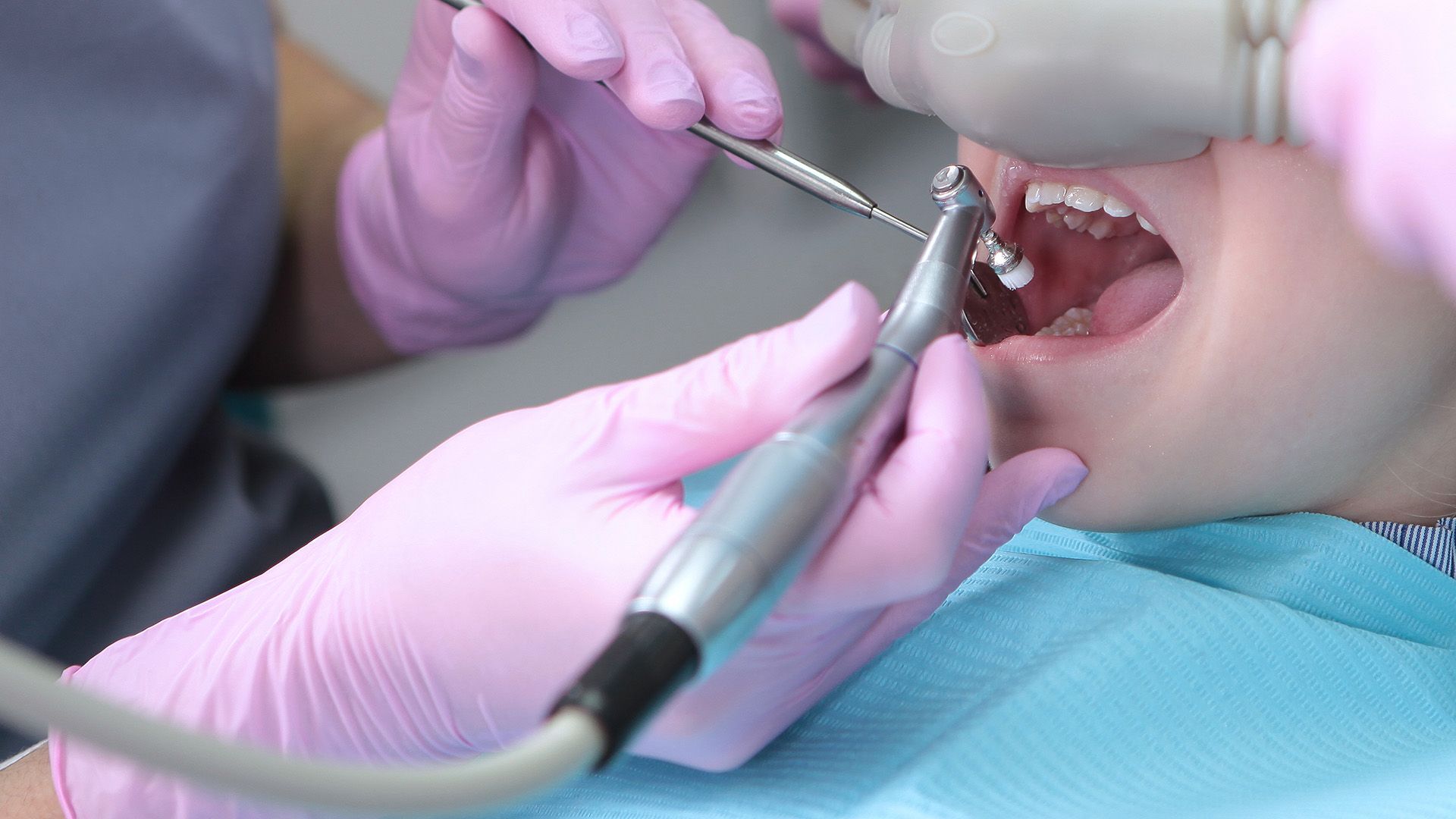
- Behavioral strategies: Visual schedules, social stories, gradual steps, and consistent tell-show-do pacing. When appropriate, options such as nitrous oxide can gently reduce anxiety.
Follow-up and at-home care:
- Debrief: Review what went well and choose one or two practice steps for next time.
- Routine: Keep daily brushing and flossing predictable to maintain familiarity.
- Positive memory cues: Celebrate success with a sticker chart or a photo of the “brave visit” to reinforce confidence.
Frequently Asked Questions
How far in advance should we start desensitization? Begin 1–2 weeks before the visit with short daily practice. For higher anxiety or sensory differences, start 3–4 weeks ahead and schedule a meet-and-greet with the dental team. Early planning ensures your efforts have time to work.
What if my child refuses to open their mouth? Step back to easier tasks: smiling in the mirror, showing teeth, then counting teeth with a toothbrush. Keep practice brief, praise progress, and consider a pre-visit tour so the first clinical step happens when trust is established.
Are rewards helpful? Yes, when used thoughtfully. Pair immediate, specific praise with a small, predictable reward after the visit. Avoid bargaining during procedures; instead, reinforce calm breaths and cooperation in the moment.
Can parents stay with their child? In most cases, yes. Many children feel safer with a caregiver present. The team will discuss the best setup for your child’s comfort and the clinician’s workflow.
What if home strategies aren’t working? Contact the office early. The environment can be adjusted, the visit can be broken into shorter steps, or options like nitrous oxide for anxiety can be discussed, always prioritising safety and your child’s well-being.