When Is It Time to Quit Pacifier Use? Tips from a Pediatric Dentist
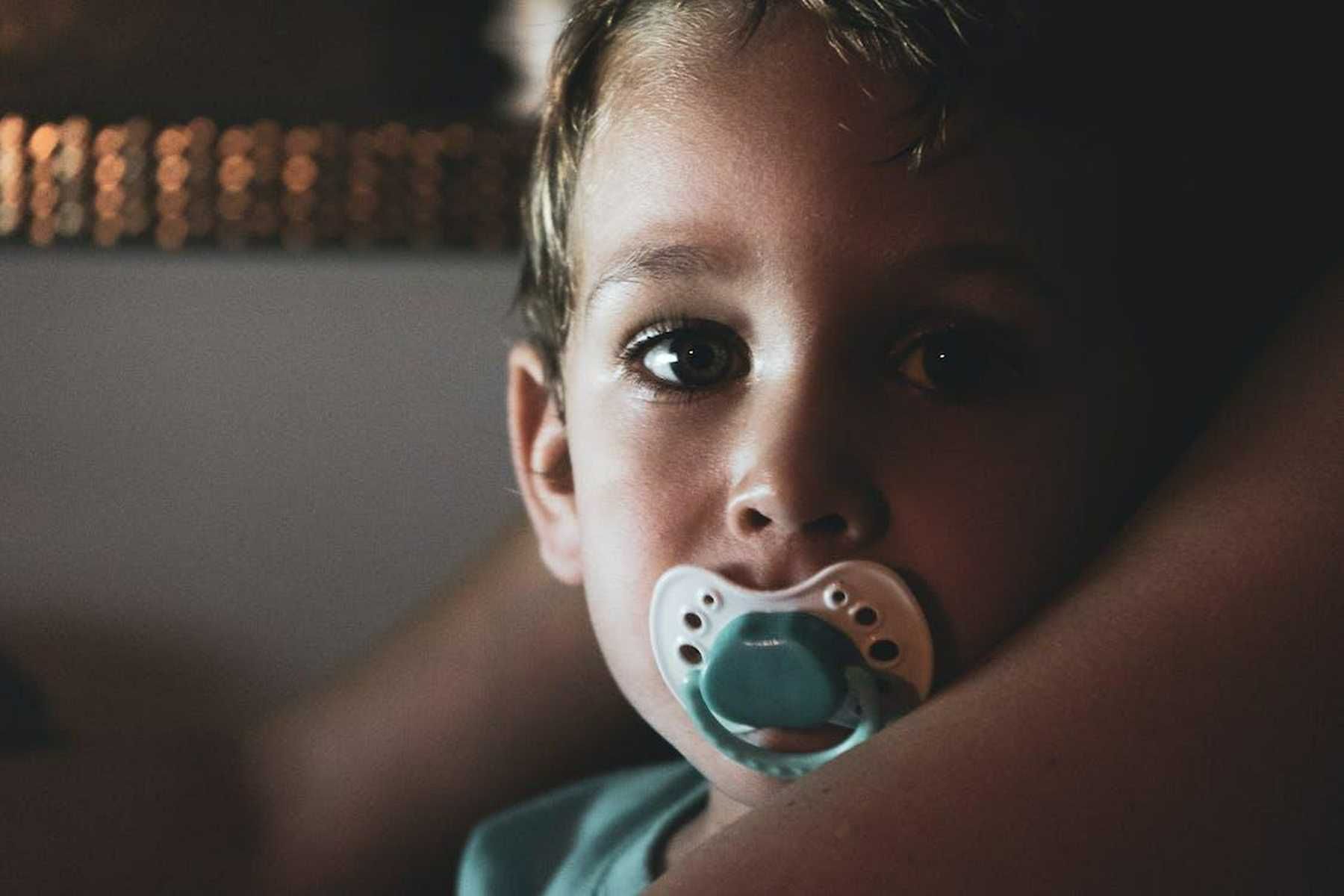
Ending pacifier use can be a challenging time for both parents and children. Halting pacifier use at the right time helps prevent harmful effects on a child's dental development. Dr. Alma Correia, a board-certified pediatric dentist in Apopka, FL, with years of experience helping children transition away from pacifiers, shares some insights into when and how to end pacifier use. Her tips can help parents facilitate a smooth transition for their little ones.
What Is a Pacifier and Why Is It Important To End Use at the Right Time?
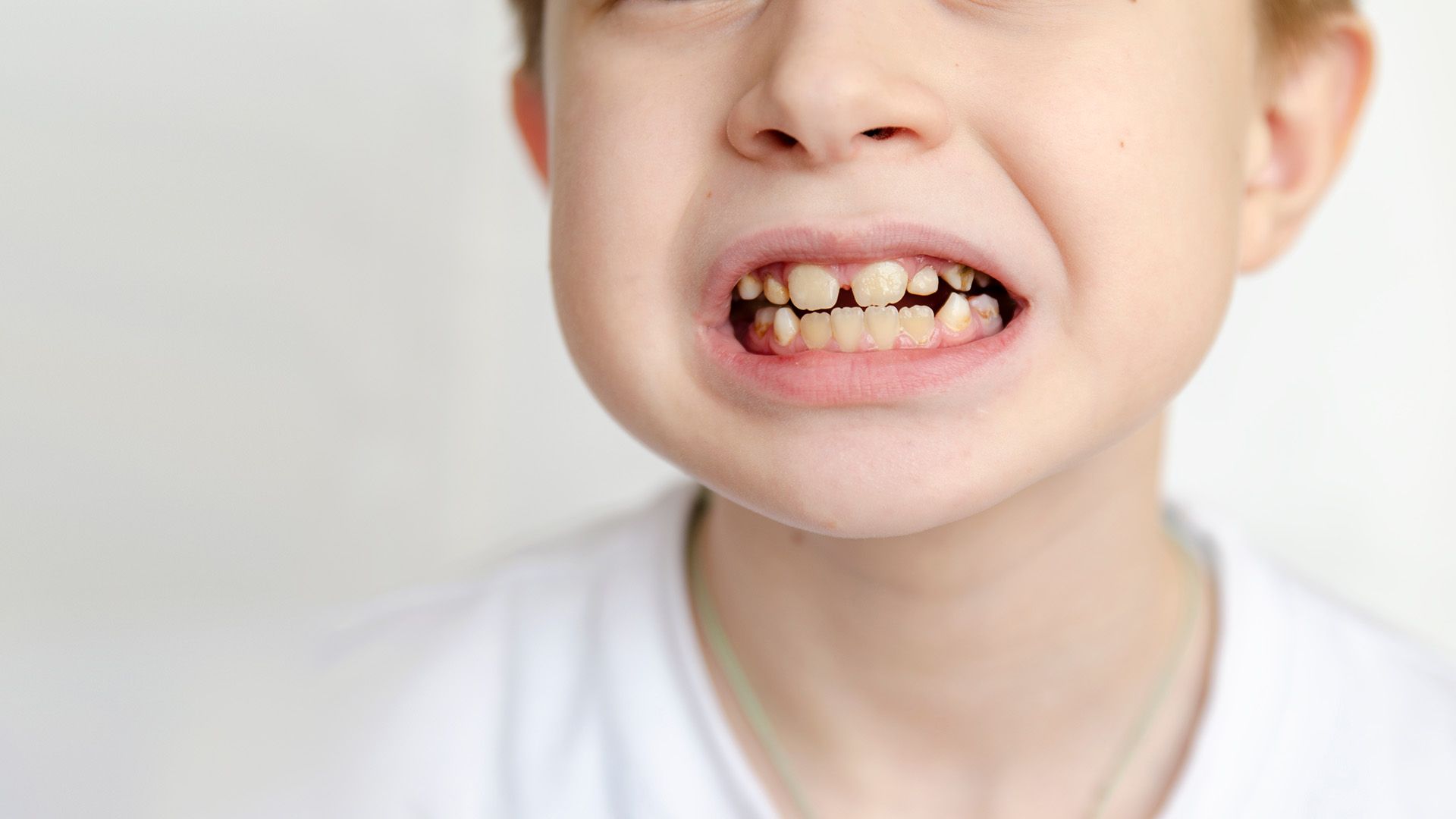
A pacifier is a small rubber, plastic or silicone device that a baby can suck on for comfort. It's often used to soothe a fussy or crying baby or to help them fall asleep. While pacifiers can be a lifesaver for parents, ending their use at the right time is crucial because prolonged pacifier use can affect the development of a child's teeth, jaws and speech.
It can cause problems such as an improper bite, speech difficulties and the need for orthodontic treatment later in life. Dr. Correia emphasizes the importance of ending pacifier use at the right time to avoid these adverse effects. Doing so helps parents ensure their child has a healthy smile for life.
When is the Right Time to End Pacifier Use?
The age range for ending pacifier use can vary, but most experts agree that it should be done by the time a child is 2 to 4. By this age, the child has started growing permanent teeth, and their speech has started developing. Dr. Correia explains that dental and developmental milestones can indicate when it's time to say goodbye to the pacifier.
For example, if a child can fall asleep on their own without the pacifier or if they have started to mix their words while speaking, it may be time to end pacifier use. Moreover, parents should also consult with their pediatric dentist to determine the right time for their child.
How To End Pacifier Use — Advice From a Pediatric Dentist in Apopka
Ending pacifier use can be a gradual process needing time and patience. The first step is to limit the use of the pacifier to certain times of the day, such as nap time and bedtime. This will help the child get used to not always having the pacifier. Another approach is to gradually shorten the amount of time the pacifier is used each day until it's no longer needed.
Dr. Correia also notes the importance of preparing the child for the change by talking to them about it beforehand. Doing so can ease the process of weaning the child off the pacifier. Dr. Correia also advises that parents have a backup plan for when the child is upset or needs comfort, such as offering a special toy or a comforting hug.
Healthy Teeth, Happy Smiles
You now understand the importance of ending pacifier use and how to do it at the right time. Pediatric dentist Dr. Alma Correia helps parents make the process easier for their little ones. Contact Baptiste Dentistry for Kids for additional guidance and support if you have any questions or concerns.