Pacifiers and Baby Teeth: What Parents Need to Know
Pacifiers can be a helpful way to soothe infants, but many parents have questions about how they influence baby teeth and long-term oral health. Knowing when and how to use a pacifier, and when to wean, can lower risks while keeping the benefits. Below, you’ll find practical guidance on pacifiers and baby teeth, including tips from an orthodontic perspective. Parents often ask, are pacifiers bad for developing mouths? The answer depends on how frequently, how intensely, and how long they are used.

Benefits and Purpose of Pacifier Use
Babies have a strong need to suck for comfort. Pacifiers provide non-nutritive sucking that can calm fussiness, support self-soothing between feeds, and offer reassurance during stressful moments like vaccinations or travel. For many families, pacifiers fit naturally into a predictable soothing routine. When considering pacifiers and baby teeth, remember that short-term, gentle use during infancy typically poses low risk.
When used responsibly, pacifiers may offer additional advantages. Studies associate pacifier use during sleep with a reduced risk of Sudden Infant Death Syndrome (SIDS). Pacifiers can also help with brief pain relief during minor procedures and may help infants fall asleep without extra feeding. These benefits are most relevant in early infancy, when the soothing reflex is strongest.
To protect feeding success, introduce a pacifier after breastfeeding is well established, typically a few weeks after birth. For bottle-fed babies, introduction can happen earlier if appropriate. Use is best limited to naps, bedtime, and short periods of daytime soothing. A pacifier should not replace regular feeding or caregiver interaction. If you are weighing pacifiers and teeth health in the first months, focus on limiting use to specific, short soothing windows.
How Pacifiers Can Affect Dental Development
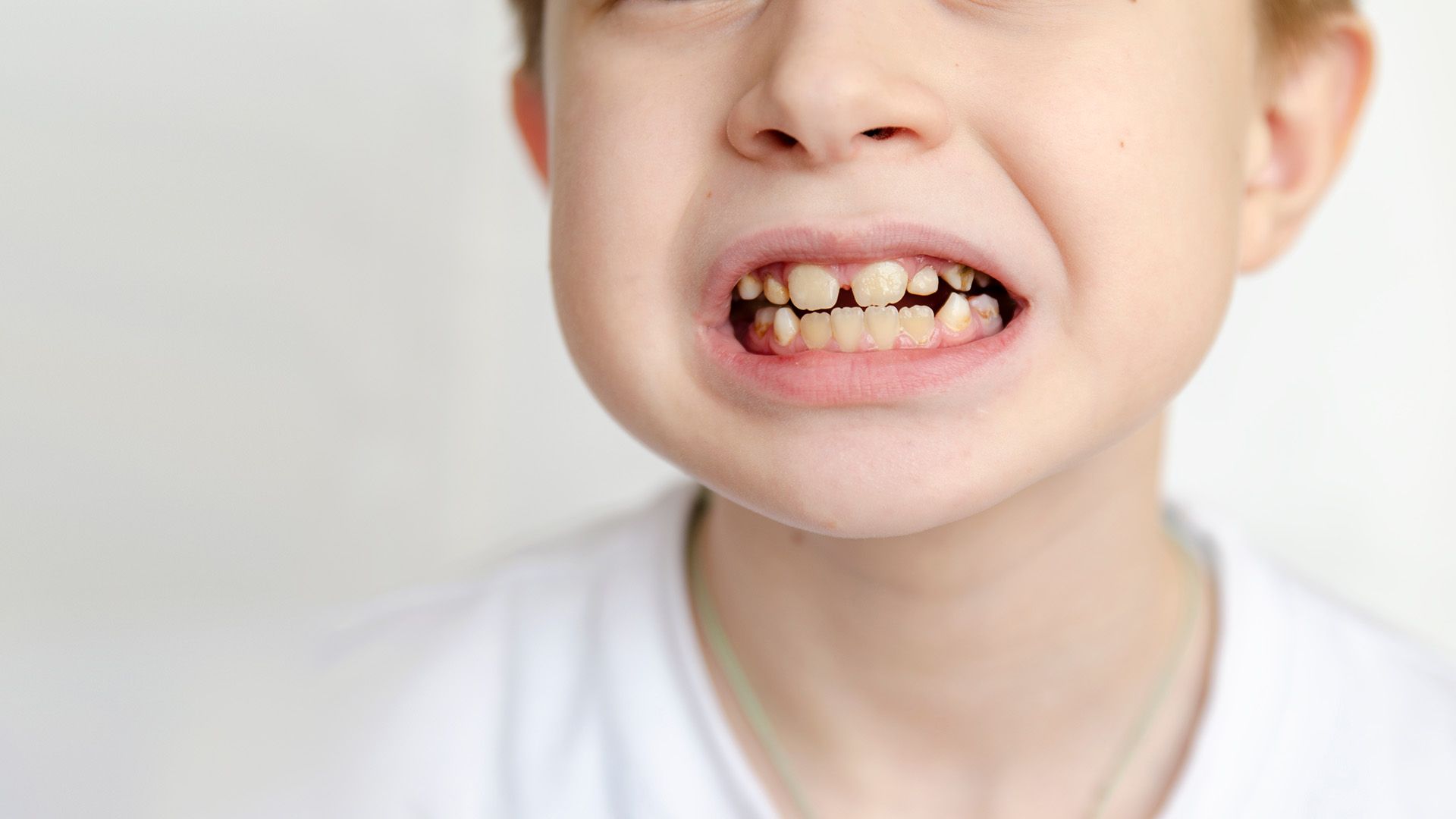
Pacifiers influence how the jaws and teeth grow when use is prolonged or very intense. Common changes include an anterior open bite (front teeth do not meet), increased overjet (upper front teeth protrude), and general misalignment. These issues are more likely when a pacifier is used frequently, day and night, beyond the toddler years. Questions like are pacifiers bad usually stem from observing these outcomes, but risk varies widely with habits.
Three factors shape dental outcomes:
- Frequency: how often the pacifier is used
- Intensity: how firmly a child sucks
- Duration: how long the habit continues
Occasional, gentle use has minimal impact. Strong sucking for many hours per day over several years is more likely to affect bite relationships. The good news: many changes in baby teeth improve after the habit stops, especially if weaning occurs by age 2 to 3. If the habit continues as permanent teeth erupt, around age 6, the risk of long-term orthodontic problems increases. Early weaning allows the mouth to rebound naturally and may reduce the need for future treatment. Being proactive about pacifiers and teeth can prevent pacifiers and dental problems from becoming entrenched.
Thumb Sucking Versus Pacifier Use
Both thumb sucking and pacifiers provide comfort, but they differ in control and ease of weaning. A pacifier can be removed, limited to sleep times, and phased out gradually. Thumb sucking is always available to the child and is often harder to limit.
Because thumb habits can persist longer, they may pose a higher dental risk if they continue beyond early childhood. Long-standing thumb sucking can lead to open bite, increased overjet, and changes in jaw shape similar to those linked with prolonged pacifier use. Parents weighing pacifiers and dental problems should note that a managed pacifier habit is often easier to taper than an ongoing thumb habit.
If your infant seeks oral comfort, a pacifier is generally easier to manage and wean than a thumb habit. If thumb sucking appears, offer structured alternatives such as a pacifier during sleep, a comfort object, or extra soothing routines. If thumb sucking persists past age 3 to 4, speak with a pediatric dentist or orthodontist for support. In many cases, choosing a controlled approach to pacifiers and teeth is the more practical option.
Practical Tips for Responsible Pacifier Use
- Set boundaries: Reserve the pacifier for naps, bedtime, and specific soothing moments rather than all-day use.
- Limit nighttime use: Aim to taper extended nighttime use as your child develops other self-soothing skills.
- Keep it clean: Wash pacifiers regularly, replace them when worn or damaged, and never dip them in sugary substances to avoid tooth decay.
- Protect feeding: Do not use pacifiers to delay or replace regular feeds.
Plan for gradual weaning. Many families start limiting use around 12 to 18 months and aim to stop between ages 2 and 3, when the mouth can still recover easily. Helpful strategies include:
- Restrict use to sleep only, then shorten availability each week
- Switch to a smaller or less preferred pacifier to reduce interest
- Introduce new comfort cues such as a bedtime story, music, or a favorite blanket
- Use positive reinforcement, stickers, praise, or small rewards, to celebrate progress
Reach out to a pediatric dentist or orthodontist if you notice persistent open bite, front teeth that do not touch, speech changes like lisping, difficulty biting into foods, or if pacifier use continues past age 3 without improvement. Early guidance can prevent minor issues from becoming more complex. These steps can reduce the likelihood of pacifiers and dental problems while preserving the calming benefits during infancy.
Treatment Options and When to Seek Orthodontic Care
Begin with conservative steps. Consistent routines, visual charts, and reward systems help many children stop pacifier use. If your child is motivated, brief check-ins with a dental professional can provide encouragement and monitoring. After your child stops using the pacifier, give the bite time to settle; baby teeth and soft tissues often adapt over several months. Monitoring pacifiers and baby teeth during this period helps ensure changes are moving in a healthy direction.
When dental changes persist or the habit is hard to break, additional support may be recommended. Options can include speech therapy if tongue posture or swallowing patterns contribute to an open bite, and myofunctional exercises to improve oral muscle balance. These approaches are especially helpful soon after weaning and can support healthier relationships between pacifiers and teeth if the habit has been difficult to stop.
If bite problems remain as permanent teeth start to erupt, schedule an orthodontic evaluation, often around age 7. Early interceptive care may involve limited braces, clear aligners in select cases, or habit reminder appliances that discourage lingering sucking behaviors and guide jaw growth. Your orthodontist will tailor a plan to your child’s age, growth pattern, and specific bite concerns. Parents who wonder are pacifiers bad should understand that early evaluation helps catch issues before pacifiers and dental problems become long-term concerns.
Have questions about pacifiers and baby teeth or want an early evaluation? A dental professional can help you time weaning, monitor development, and support a healthy smile as your child grows.