When Does a Child Need a Pediatric Dental Crown?
Pediatric dental crowns are a reliable way to protect and restore damaged baby teeth so children can eat, speak, and smile comfortably. When a tooth has significant decay, is broken, or has undergone a baby-tooth root canal, a crown may be recommended to preserve the tooth until it naturally falls out. If you are asking when does a child need a pediatric dental crown? The answer depends on the amount of remaining healthy tooth structure, the child’s age, and how long the tooth needs to stay in place. Below, learn what crowns are, when they are needed, how the procedure works, and what parents can expect.

What Is a Pediatric Dental Crown?
A pediatric dental crown is a custom-made cap that covers a child’s tooth above the gumline. Its job is to protect weak or damaged tooth structure, restore normal function, improve appearance when appropriate, and reduce the risk of further decay or infection. By sealing the tooth, a crown can relieve pain and maintain the space needed for the permanent tooth to erupt correctly.
How crowns differ from fillings: Fillings repair smaller cavities by replacing decayed tooth material inside the tooth. When decay is extensive or the tooth is cracked or weakened, a filling may not be strong enough and can fail. A crown covers the entire tooth for full-coverage strength and durability. Crowns are common on baby teeth because these teeth guide jaw growth and hold space for adult teeth; keeping them healthy helps prevent early tooth loss and potential orthodontic issues.
Common crown materials in pediatric dentistry include:
- Stainless steel crowns: durable, cost-effective, and frequently used on molars.
- Zirconia crowns: tooth-colored, strong, and aesthetically pleasing.
- Resin-faced or other tooth-colored options: often used on front teeth for improved appearance.
Your pediatric dentist will recommend the best material based on the tooth’s location, your child’s bite, aesthetic goals, and budget.
Reasons a Child May Need a Dental Crown
- Large cavities that weaken the tooth: When decay removes a substantial amount of structure, the tooth can fracture or a filling may not hold. A crown restores strength and protects the remaining tooth.
- Cracks, fractures, or developmental defects: Teeth injured in a fall or sports accident, or those with enamel defects and unusual wear, can be reinforced with a crown to prevent further breakage and sensitivity.
- After pulpotomy or pulpectomy (baby-tooth root canal): Once the nerve tissue is treated, a crown is typically placed to seal the tooth and provide long-term stability. Crowns are also considered when there is recurrent decay after multiple fillings, since full-coverage protection reduces the risk of future breakdown.
When to Consider a Crown: Signs and Timing
Parents may notice tooth pain, sensitivity to sweets or temperature, visible holes or dark spots, a broken or chipped tooth, gum swelling near a tooth, or a gray or brown discoloration. Any of these signs warrant a prompt evaluation, as early treatment can preserve the tooth and prevent infection. If you find yourself wondering when does a child need a pediatric dental crown?, these symptoms are key indicators that an exam is needed.
Age and eruption considerations: Crowns are appropriate whenever a baby tooth still plays an important role in chewing, speech, and holding space for adult teeth. If a baby molar has several years before it naturally exfoliates, a crown is often recommended rather than extraction. If the tooth is very close to shedding or has minimal remaining structure, extraction may be considered, sometimes with a space maintainer to prevent shifting.
Proximity to natural exfoliation: The farther a tooth is from its natural fall-out date, the more benefit a crown provides. For example, primary molars typically remain until ages 10–12; significant decay in these teeth at age 6 or 7 often calls for a crown. Your pediatric dentist will review X-rays to assess root development and estimate how long the tooth should be maintained, helping you answer the question, when does a child need a pediatric dental crown?
The Pediatric Crown Procedure and What to Expect
Step-by-step appointment:
- Exam and X-rays to evaluate decay depth, root health, and spacing.
- Local anesthetic to numb the tooth and surrounding area.
- Removal of decay and shaping of the tooth to fit the crown.
- For stainless steel crowns, selection, fitting, and cementing are usually completed in one visit.
- For zirconia or other tooth-colored crowns, additional steps may be needed for precise fitting.
Most single-tooth crown visits take about 30–60 minutes, depending on complexity and the child’s age and cooperation.
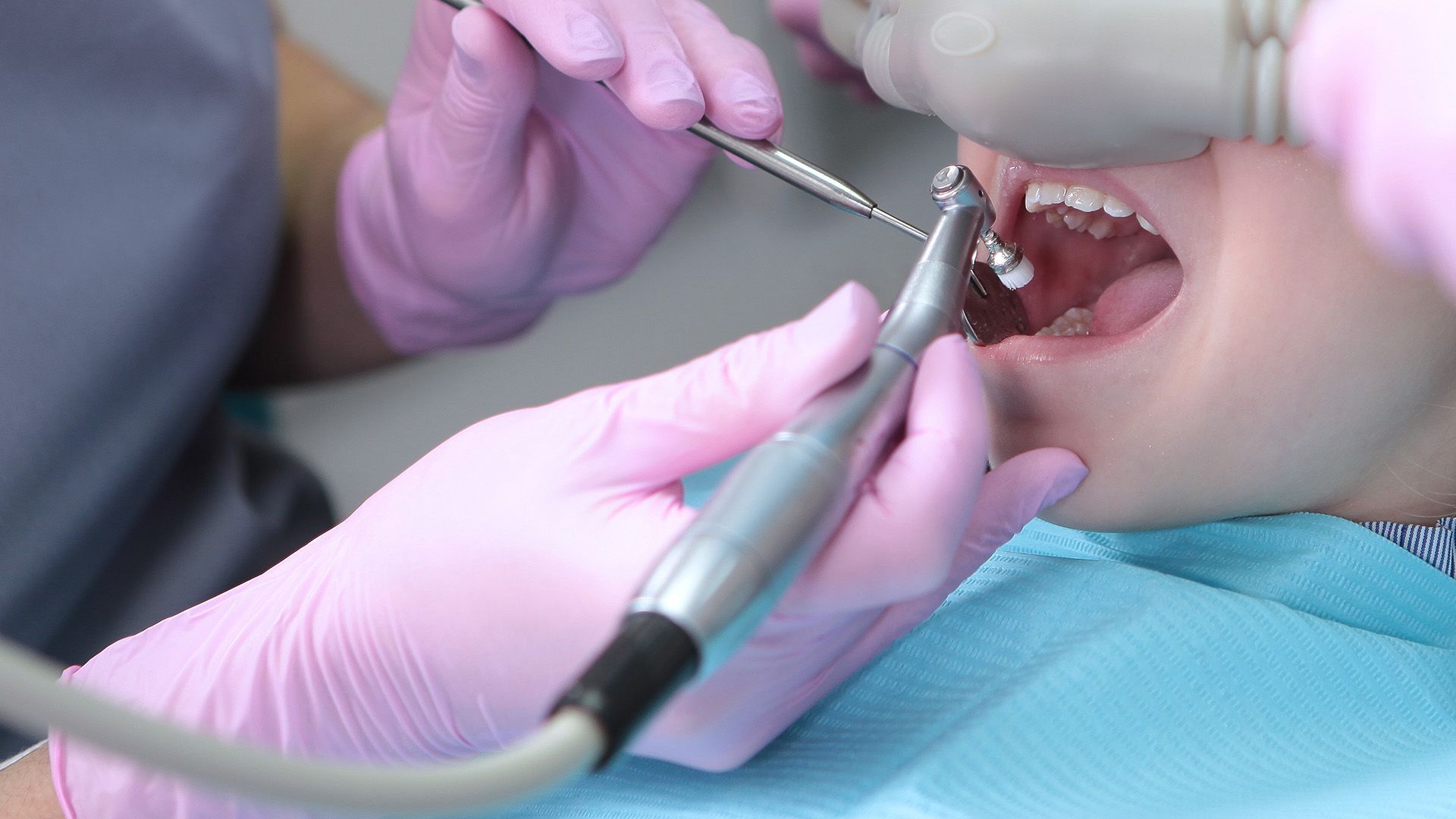
Comfort and behavior management: Pediatric dentists use child-friendly language, tell-show-do techniques, and distraction to help kids stay comfortable. Local anesthetic keeps the area numb. For anxious children or more involved treatment, sedation options may include nitrous oxide (laughing gas), oral sedation, or in some cases IV sedation or general anesthesia. The choice depends on the child’s medical history, the amount of work needed, and safety considerations.
Aftercare and maintenance: Mild numbness and gum tenderness are common for a few hours. Offer soft foods until numbness wears off to prevent cheek or lip biting. Maintain excellent oral hygiene by brushing twice daily with fluoride toothpaste and flossing once daily. Limit sticky, chewy candies and very hard foods that could dislodge or damage the crown. Keep regular checkups and cleanings so the dentist can monitor the crown and the eruption of permanent teeth.
Benefits, Risks, and FAQs for Parents
Benefits:
- Protects weakened teeth and restores chewing and speech.
- Maintains space for proper eruption of adult teeth, reducing the risk of crowding and future orthodontic problems.
- Helps prevent pain, infection, and repeated dental work on the same tooth.
Risks and longevity: Complications are uncommon, but crowns can become loose if cement fails or if a child frequently eats very sticky foods. Mild gum irritation can occur at first and typically resolves with good hygiene. A well-placed stainless steel crown on a baby molar often lasts until the tooth naturally exfoliates. Zirconia crowns are strong and aesthetic but may require more precise tooth preparation. If a crown becomes loose or comes off, keep it if possible and call your pediatric dentist promptly. Do not attempt to glue it back yourself.
FAQs:
| Question | Quick Answer |
|---|---|
| Are crowns necessary on baby teeth? | Yes, when decay or damage is extensive. They protect the tooth and preserve space for adult teeth. |
| How long do pediatric crowns last? | Typically until the baby tooth falls out naturally, provided hygiene and diet are well managed. |
| Will my child feel pain? | The tooth is numbed. Children may feel pressure but not pain during treatment; mild soreness may follow. |
| What about cost and insurance? | Many dental plans cover pediatric crowns when medically necessary; coverage varies by material and plan. |
| Which crown type is best? | Stainless steel for durability on back teeth; zirconia or tooth-colored options for visible areas. Your dentist will guide you. |
If you are unsure whether a crown is needed, schedule an exam and X-rays. Early evaluation keeps treatment simpler and more comfortable and helps maintain your child’s oral health as they grow. For parents still wondering when does a child need a pediatric dental crown?, a timely consultation provides clarity and a personalized treatment plan.