What Tools Will My Child See at a Dentist Appointment: A Parent’s Friendly Guide
Your child’s early dental visits focus on gentle care, clear explanations, and building trust. Knowing the tools they might see helps the experience feel familiar and even fun. If you have ever wondered what tools your child sees at a dentist appointment, the overview below explains common instruments, what they do, and how pediatric dental teams use them to keep kids comfortable, safe, and cavity-free.
Common Tools Used During a Pediatric Dental Visit
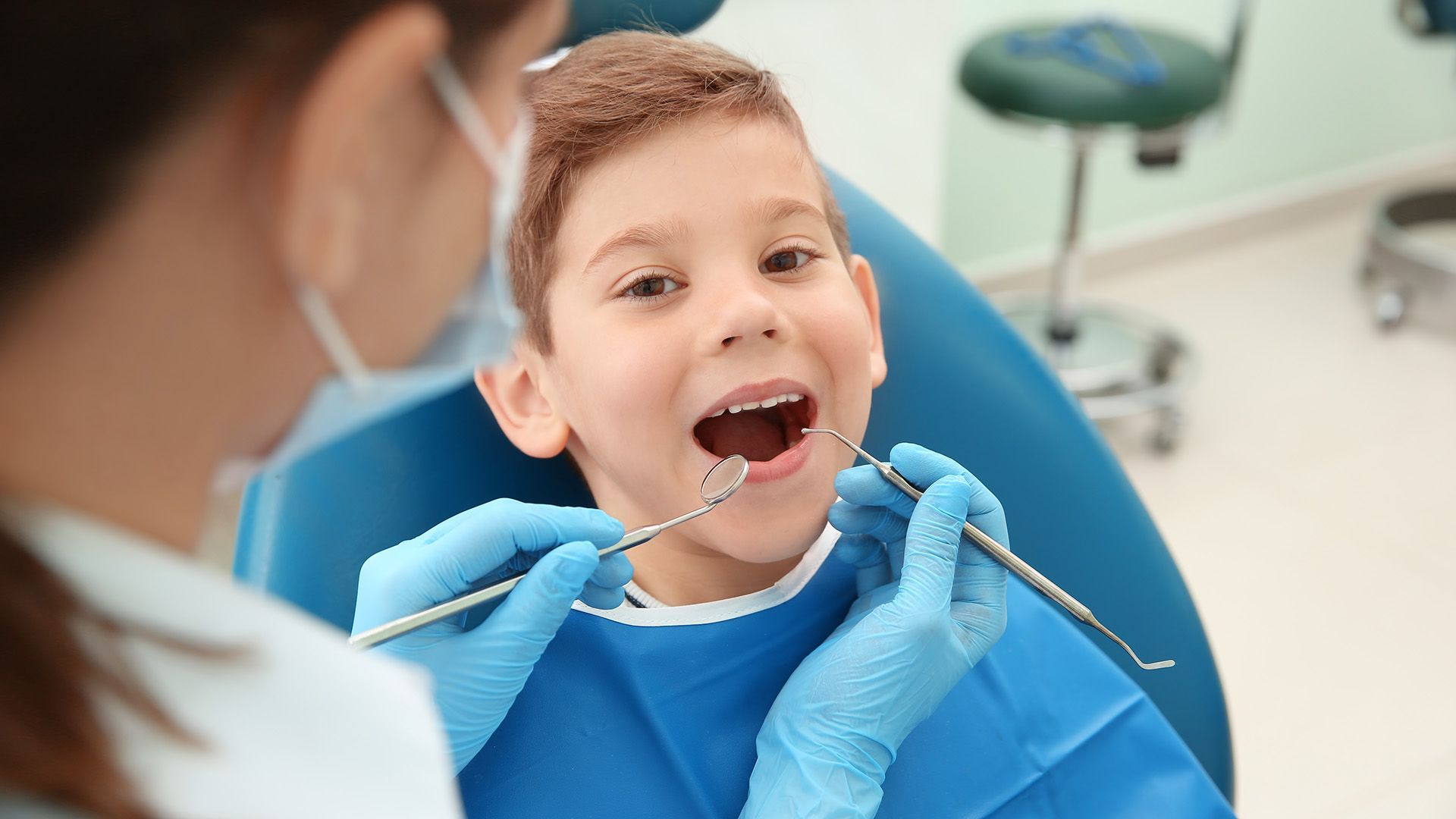
Dental mirror and mouth probe: The small, round mirror lets the dentist see all sides of each tooth, especially hard-to-see back surfaces. A slim mouth probe (often blunt and used like a pointer) helps check the gums, locate plaque, and spot areas that may need extra cleaning. Together, they guide a thorough exam without pinching or poking.
Explorer and periodontal probe: The explorer is a fine-tipped instrument used very lightly to feel for sticky spots, grooves, or early signs of cavities. A periodontal probe looks like a thin ruler with tiny markings and is used to assess gum health by measuring the space between the tooth and gums. In children, these checks are quick, gentle, and focused on early detection and prevention.
Suction device and saliva ejector: These small tubes remove saliva and water so your child doesn’t have to swallow during cleaning. The bendy saliva ejector lightly sips away fluids, while a larger suction tip may be used during certain procedures. Both keep the mouth clear, improve visibility for the dentist, and help your child stay relaxed.
Cleaning, Polishing, and Preventive Tools
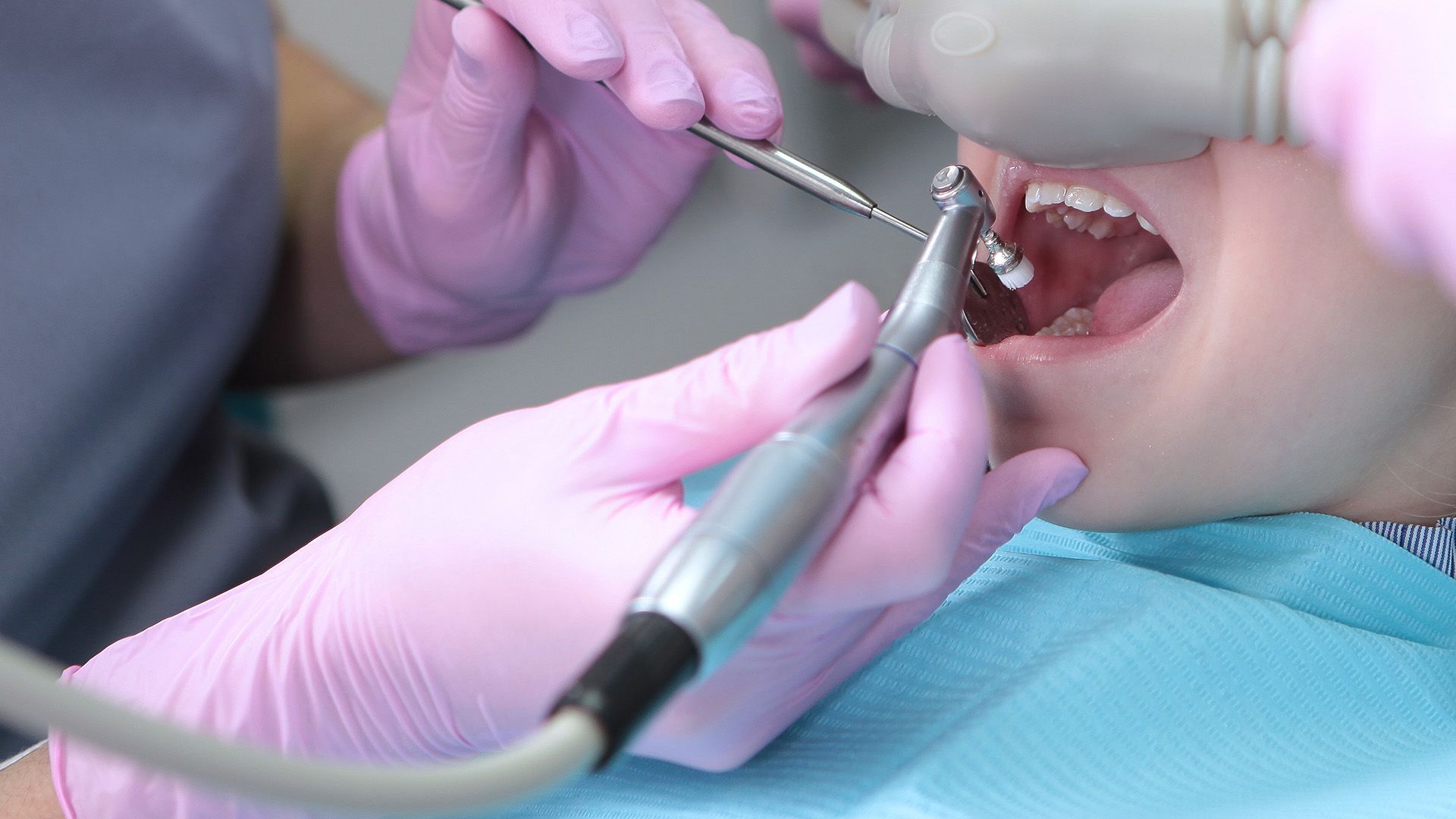
Prophy cup, brush, and paste: For polishing, the hygienist uses a soft rubber prophy cup or a small brush attached to a handpiece. With kid-friendly flavored paste, it feels like a gentle tickle or vibration on the teeth. This step smooths tooth surfaces and removes surface stains. It’s brief, safe for kids, and often memorable because of the fun flavors.
Ultrasonic scaler and hand scalers: If tartar (hardened plaque) is present, the team may use an ultrasonic scaler that vibrates and sprays water to loosen deposits, or delicate hand scalers for precise removal. In pediatric visits, scaling is limited to what’s necessary to keep gums healthy. Kids may hear a soft buzzing and feel cool water, but discomfort is minimal.
Sealant and fluoride tools: Sealants are thin protective coatings placed on the grooves of back teeth to block cavity-causing bacteria. The process includes cleaning the tooth, applying a gentle conditioning gel, rinsing and drying, placing the sealant, and using a small blue curing light to harden it, no drilling or shots required. Fluoride treatments come as varnish, gel, or foam; varnish is most common for kids and is brushed on in seconds. Both strengthen enamel and help prevent cavities between visits.
Comfort, Safety, and Technology at a Child’s Appointment
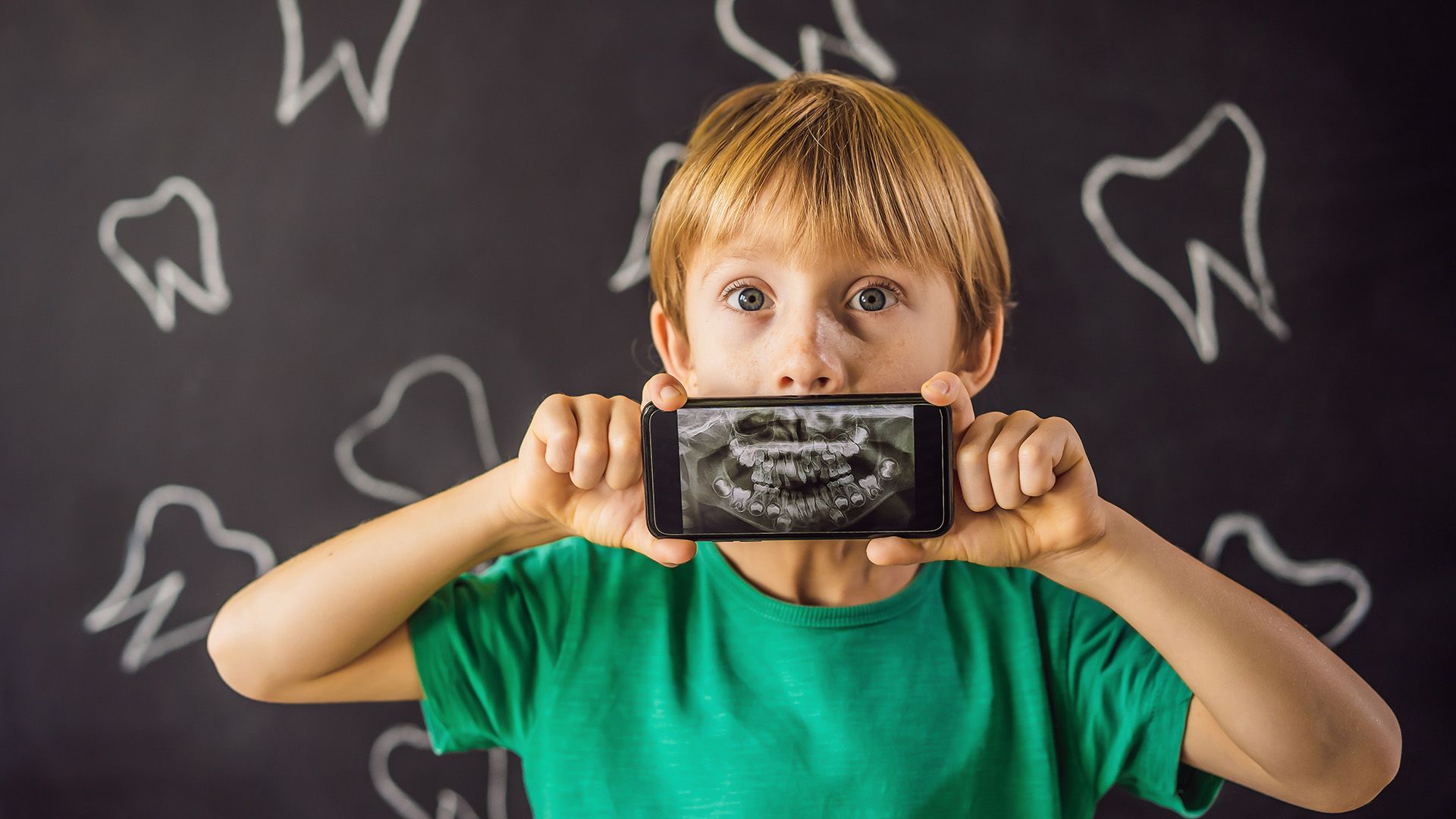
X-ray sensors and digital imaging: Modern dental X-rays use low radiation and are taken only when needed. A small digital sensor or film is placed in the mouth for a few seconds while the machine captures the image. These pictures help the dentist see between teeth, check growth and development, and spot early cavities that aren’t visible during an exam.
Protective gear and infection control: You’ll see masks, gloves, eye protection, and disposable barriers on equipment. Instruments are sterilized in sealed pouches, and surfaces are disinfected between patients. Your child may wear a lightweight protective apron during X-rays. These routine measures keep every visit safe and clean.
Behavior support and kid-friendly comforts: Pediatric teams use positive reinforcement, tell-show-do explanations, and simple choices to help kids feel in control. Distractions like fun sunglasses, videos, music, or a small squeeze toy can ease jitters. Many offices offer flavored pastes, colorful toothbrushes, and a small prize at the end to celebrate a great visit. If your child is anxious, let the team know so they can tailor the approach to your child’s pace and comfort.
Tips to Help Your Child Feel Ready
- Practice “open wide” at home and read a short children’s book about visiting the dentist.
- Use simple, positive words and avoid scary details. Let the dental team explain tools in kid-friendly terms.
- Bring a favorite toy or comfort item and plan a small, fun reward afterward.
With friendly explanations and the right tools, most children find dental visits easy and even enjoyable. Parents who ask what tools their child will see at a dentist appointment, can share this information with their child before the visit to build confidence and curiosity. If you have questions about any instrument or step, your pediatric dental team is happy to walk you and your child through it so you’ll know exactly what tools will my child see at a dentist appointment and how each one helps keep smiles healthy.