Why It's Important to Understand Fluoride Treatments for Children

August 18, 2023

Why It's Important to Understand Fluoride Treatments for Children
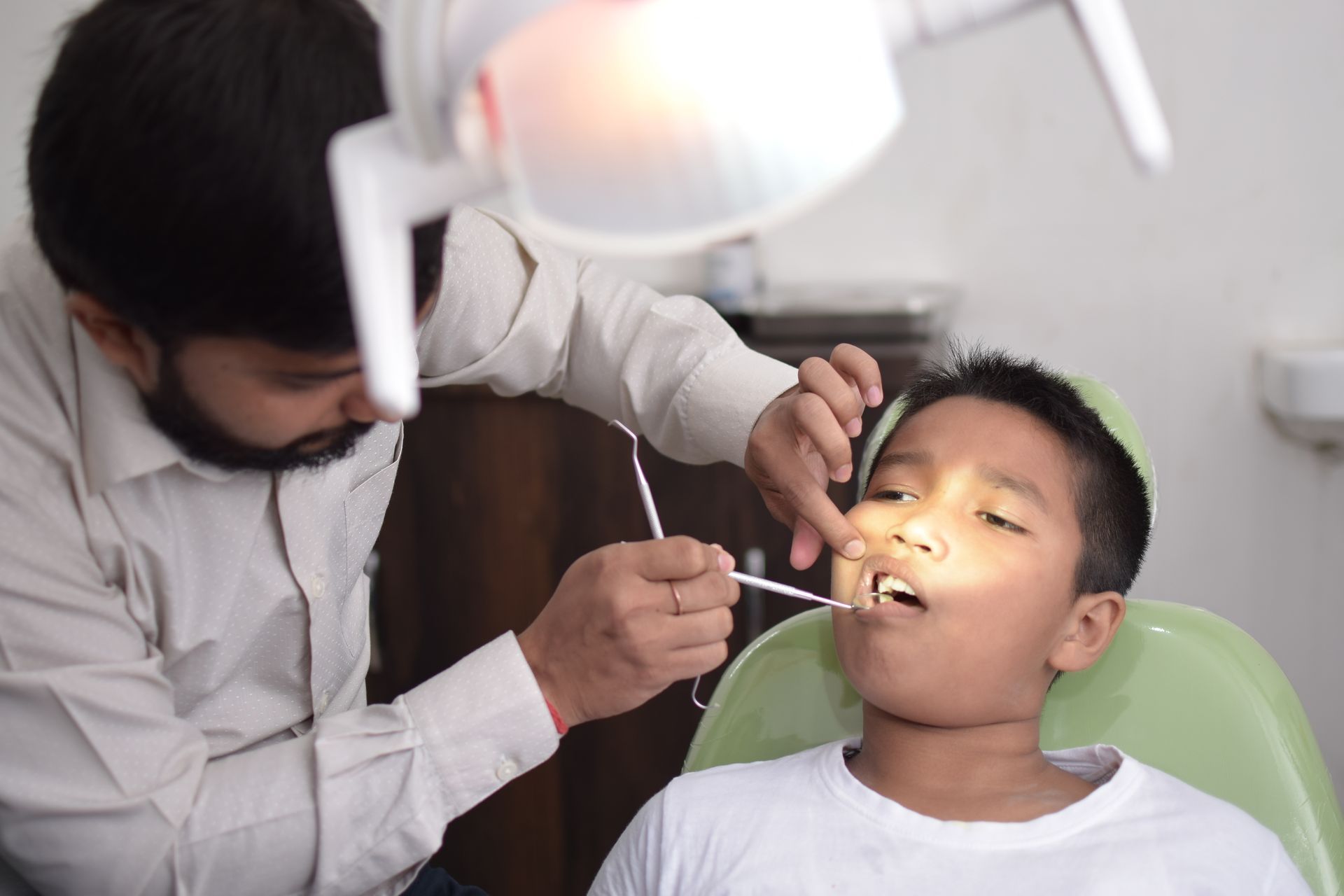

When it comes to your child's oral health, it is important to understand the importance of fluoride treatments. Fluoride is a mineral that helps to strengthen the enamel of teeth, making them more resistant to tooth decay. It is especially important for children to have fluoride treatments, as their teeth are still developing and need extra protection. In order to ensure that your child's teeth stay healthy, it is important to understand the recommended frequency for fluoride treatments. 


Benefits of Fluoride Treatments for Your Child's Teeth


Fluoride treatments help to prevent tooth decay and cavities in children by strengthening the enamel of their teeth. Fluoride also helps to reduce the amount of bacteria in the mouth, which can cause tooth decay. Additionally, fluoride treatments can help to reverse early signs of tooth decay, making it an important part of your child's oral health. 


The Importance of Consulting a Pediatric Dentist in Apopka for Advice


It is important to consult a pediatric dentist for advice on the best frequency for fluoride treatments for your child. A pediatric dentist will be able to assess your child's oral health and provide recommendations for the best frequency for fluoride treatments. Additionally, a pediatric dentist can provide advice on how to ensure that your child is brushing and flossing regularly, as this is an important part of maintaining healthy teeth. 


Recommended Frequency for Fluoride Treatments for Children


The American Dental Association recommends that children receive fluoride treatments every six months. This is the best way to ensure that your child's teeth are getting the protection they need. However, it is important to note that the frequency of fluoride treatments may vary depending on your child's age and oral health.  Contact Baptiste Pediatric Dentistry For Kids at 407-992-8400 to keep your child's smile healthy and beautiful.


How Oral Sedation Works in Pediatric Dentistry
July 24, 2026
Understanding how oral sedation works in pediatric dentistry helps parents make confident, informed decisions for upcoming pediatric dental procedures.
When Do Molars Come In?
July 17, 2026
So, when do molars come in? Here we will dive into the details to help you navigate this significant milestone in your child's dental journey.
Does Florida KidCare Cover Pediatric Dental Cleanings and Fillings?
July 10, 2026
So, does Florida KidCare cover pediatric dental cleanings and fillings? The answer is generally yes, learn all of the details and limitations here.
What Is a Baby Root Canal? A Parent’s Guide
June 26, 2026
So, what is a baby root canal? This guide explains what the procedure involves, how to recognize the signs your child may need one, and what to expect.
When Does a Child Need a Pediatric Dental Crown?
June 19, 2026
So, when does a child need a pediatric dental crown? The answer depends on several factors, explained in depth in this article.
Pacifiers and Baby Teeth: What Parents Need to Know
June 5, 2026
Here you’ll find practical guidance on pacifiers and baby teeth, including tips from an orthodontic perspective.
What Tools Will My Child See at a Dentist Appointment
May 29, 2026
If you have ever wondered what tools your child sees at a dentist appointment, this guide explains common instruments your child will encounter at their appointment.
When Do Children Lose Their Teeth? A Parent's Guide
May 22, 2026
Parents often ask when do children lose their teeth. This guide will cover the typical age for losing teeth, the order of tooth loss, and signs to watch for.
Why Baby Teeth Matter: The Hidden Dangers of Leaving Cavities Untreated
May 8, 2026
Learn why baby teeth matter and how they serve as the foundational architecture for a lifetime of oral health for your child.
How Fluoride Treatments for Kids Work
May 1, 2026
Learn how fluoride treatments for kids work, the risks and benefits associated with them, and more so you can make an informed choice for your child.